
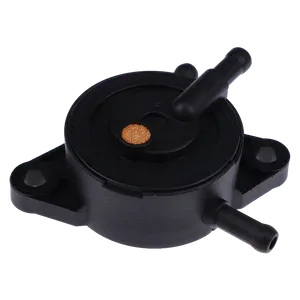
Fuel Pump
Vacuum Fuel Pump for Briggs & Stratton Horizontal Engines – Service Part
<p>Fleet maintenance programs supported with replacement interval guidance supplied alongside each consignment for predictable service planning.</p>
Lead Time
2-5 Days
Warranty
3-12 Months
Min. Order
1 Piece
Ships To
120+ Countries
Request a Quote
Response within 24 hours
Product Details
Fleet Stocking Strategy — Replacement intervals and synchronized fuel system parts planned ahead for horizontal engine fleets to eliminate reactive procurement.
Technical Specifications
| Parameter | Value |
|---|---|
| Part Number | 491922, 808656, 808492, 692313, 691034 |
| Product Type | Fuel Pump |
| Cross-Reference | BS-491922, BS-808656, BS-597338, LG808656, M138498, M145667, 24 393 04-S, 24 393 16-S, 16700-Z0J-003, 16700-ZL8-013, 190 248 (reference only) |
| Machine Fitment | Briggs & Stratton 161430-0199-01, 161430-0199-02, 161432-0010-01, 161432-0011-01, 161432-0014-01, 161432-0016-01, 161432-0020-01, 161432-0021-01, 161432-0023-01, 161432-0024-01, 161432-0026-01; Craftsman 580.327201; White Outdoor ZT-50, ZT-54 |
| Operation Type | Vacuum-operated |
| Fuel Line Interface | 1/4" |
| Ethanol Limit | Maximum 10% ethanol blend |
| Condition | New Aftermarket |
| Quality Standard | ISO 9001 |
Application Suitability
| Service Interval | What to Check |
|---|---|
| Generator turnaround between rental contracts | Diaphragm condition and vacuum pulse line integrity |
| Seasonal groundskeeping equipment commissioning | Fuel line hardness and inline filter flow restriction |
| Aging horizontal engine support programs | Carburetor mounting gasket condition and clamp torque |
| Agricultural unit annual overhaul | Ethanol-related degradation across fuel wetted components |
| Municipal fleet scheduled maintenance | Pulse fitting seal and vacuum hose routing condition |
When Fuel Delivery Fails Outside the Maintenance Window
The cost of reactive procurement far exceeds the part itself when a fleet sits idle waiting for a single vacuum fuel pump.
In my years sourcing for equipment fleets across the Yangtze River Delta region, I watched operators lose entire days because a small, inexpensive fuel pump was not on the shelf. The machine was already down, the crew was standing by, and the procurement scramble consumed more budget than a year’s worth of planned spares. A vacuum fuel pump service part maintenance program prevents this pattern by treating fuel delivery components as predictable consumption items rather than surprise failures. [NEED_CITE: small engine fuel system failure frequency in commercial fleet operations]
Fleet managers who stock these pumps based on documented service intervals keep their turnaround cycles intact, whether they operate rental generators or commercial mowing fleets.
Positioning This Pump Within the Engine Service Calendar
A vacuum-operated fuel pump occupies a specific point in the horizontal engine maintenance sequence. It typically requires replacement after sustained exposure to ethanol-blended fuels, which gradually stiffen and crack the diaphragm material. When planning a vacuum fuel pump service part maintenance interval, the replacement should align with fuel filter changes, fuel line inspections, and carburetor gasket renewals to consolidate downtime into a single service event.
This pump’s 1/4" fuel line interface standardizes across multiple engine platforms from different manufacturers. For a mixed fleet running Briggs & Stratton, Kohler, and Honda horizontal engines, stocking one pump reference that covers multiple applications reduces the unique SKU count in your stores. The vacuum-operated design eliminates electrical dependencies, which simplifies spares planning for generator and equipment fleets where electrical system variations would otherwise demand separate part numbers.
Wear Indicators That Signal Replacement Is Due
The diaphragm inside a vacuum fuel pump degrades progressively rather than failing suddenly. Early signs include extended cranking time before the engine fires, intermittent power loss under load, and visible fuel weeping at the pump body seam. These symptoms typically appear after the diaphragm has lost flexibility from ethanol exposure or accumulated operating hours have fatigued the spring mechanism. [NEED_CITE: diaphragm degradation patterns in ethanol-blended fuel environments]
Synchronous replacement of adjacent components extends the service interval gained from the pump swap. Fuel line sections that have hardened with age will crack when disturbed during pump removal, so replacing them at the same interval prevents a second service event weeks later. Inline fuel filters clogged with debris that bypassed a failing pump should be replaced simultaneously, along with carburetor mounting gaskets that may have been exposed to fuel leaks. This approach to vacuum fuel pump service part maintenance keeps the fleet running between planned service windows rather than reacting to cascading failures.
Understanding the Operating Parameters
The vacuum-operated mechanism draws fuel using crankcase pressure pulses rather than an electric motor. This design means the pump delivers fuel flow proportional to engine speed, which provides natural regulation without pressure regulators or return lines. The 1/4" fuel line interface connects via barbed fittings with spring clamps, a standard that has remained consistent across decades of small horizontal engine production.
Ethanol concentration in the fuel supply directly affects diaphragm lifespan. Fuel containing more than 10% ethanol accelerates material degradation and shortens the interval between replacements. For fleets operating in regions where higher ethanol blends are common, stocking additional pump units compensates for the faster wear cycle. The ISO 9001 manufacturing standard ensures dimensional consistency across production batches, so replacement pumps maintain the same flow characteristics as the units they replace.
The Accumulated Cost of Reactive Purchasing
A fleet that treats fuel pumps as emergency purchases rather than planned service items accumulates hidden costs across multiple dimensions. Each unplanned failure requires operator time to diagnose, procurement time to source, and technician time to install — often at overtime rates when the machine is needed for a contracted deadline. Over a multi-year fleet lifecycle, the cumulative downtime from reactive fuel system repairs can exceed the cost of maintaining a complete spares inventory by a wide margin. [NEED_CITE: unplanned downtime cost modeling for equipment fleet operations]
Replacing only the pump while leaving aged fuel lines, filters, and gaskets in place invites repeat failures within the same service cycle. The labor to access the pump is often the largest cost component, making it inefficient to return to the same location for a related component that failed shortly after. Planned vacuum fuel pump service part maintenance that addresses the entire fuel delivery path at once avoids this pattern.
Procurement Advantages for Fleet-Level Buyers
Our Guangzhou warehouse maintains stock on common fuel system references, supporting rapid dispatch for fleets that need to replenish their spares inventory. The single-piece minimum order means you can order one pump to verify fitment on an unfamiliar engine model before committing to a fleet-wide stocking quantity. Part identification works from the engine model, a photograph of the nameplate, or the existing pump — useful when paint overspray or corrosion has obscured the original number.
Cross-reference verification covers superseded numbers and alternate references, so a pump that has changed designation across engine generations still resolves to the correct replacement. Sample supply before bulk commitment lets your workshop confirm installation procedures and fitment on your specific engine variants. The technical team verifies compatibility across your fleet’s engine serial ranges, ensuring the pump matches each application’s production date and variant.
Documentation & Verification
- Commercial invoice and packing list itemizing each pump against its engine application
- Compatibility and cross-reference sheet listing all superseded and alternate part numbers (reference only)
- Dimensional and functional inspection records for each batch before dispatch
- Warranty terms covering manufacturing defects across the full stocking and deployment period
- Packing photographs showing protective foam inserts and retail box condition
- HS code classification and customs documentation support for cross-border shipments
Service Interval & Stocking Guidance
- Align stocking quantity with fleet size and documented engine operating hours to prevent stockouts
- Inspect pulse line fittings and vacuum hose routing at each engine service for early degradation signs
- Store pump units in sealed packaging away from direct sunlight to preserve diaphragm material condition
- Replace inline fuel filters and inspect fuel line flexibility at every pump change interval
- Cross-check engine serial numbers against the compatibility table before issuing pumps from stores
Planning Your Fleet’s Fuel System Inventory
Provide your engine models, serial ranges, and typical operating hours per unit. We will map the compatible pump references across your fleet and recommend a stocking profile that covers your service calendar without excess inventory.
Frequently Asked Questions
Q: How often should the vacuum fuel pump be replaced in a scheduled maintenance program?
A: Replacement intervals depend on operating hours, fuel ethanol content, and environmental conditions. Most fleet programs schedule pump inspection at every major service event and plan replacement when diaphragm flexibility shows degradation or cranking time extends noticeably. Aligning pump replacement with fuel filter and gasket changes consolidates downtime into a single service window rather than scheduling separate events.
Q: What other fuel system components should be replaced at the same interval?
A: Fuel line sections, inline fuel filters, carburetor mounting gaskets, and spring clamps should be evaluated and typically replaced alongside the pump. These components age at similar rates and share the same labor access path, so replacing them together prevents a second service event from a related failure shortly after the pump swap.
Q: Can this pump be stocked as a universal service part across mixed-brand fleets?
A: The 1/4" fuel line interface and vacuum-operated design allow this pump to cover multiple engine platforms from different manufacturers. Verify each engine model against the cross-reference table before adding the pump to your fleet stores list, as some variants use different port configurations or pulse line arrangements that require a different reference.
Q: What ethanol concentration limits should be factored into replacement planning?
A: This pump is rated for fuel containing up to 10% ethanol. Fleets operating in regions with higher ethanol blends should expect shorter diaphragm service life and adjust stocking quantities accordingly. Documenting the typical ethanol concentration at your fuel supply points helps calibrate replacement intervals for your specific operating conditions.
Q: How to support older engine models when original supply channels are no longer available?
A: Aftermarket supply with verified cross-references maintains availability for aging horizontal engines past the point where original channels thin out. Providing the engine model and serial number allows identification of the correct pump reference, including superseded numbers that may have changed across production years, ensuring continued support for legacy fleet assets.
Compatible Brands
Our parts are engineered to meet or exceed OEM specifications. Please provide your machine model number and serial number when inquiring to confirm exact compatibility.
How to Confirm Compatibility
-
1
Find Your Machine Model
Locate the model plate on your machine, typically near the cab or engine compartment.
-
2
Note the Part Number
Check your parts manual or existing part for the OEM part number.
-
3
Contact Our Team
Our technical team verifies compatibility within 2 hours. Send us the details via the inquiry form or WhatsApp.
Shipping Information
Express Shipping
DHL, FedEx, UPS -- 3-7 business days worldwide
Sea Freight
Cost-effective option for bulk orders -- 15-35 days
Real-Time Tracking
Tracking number provided after shipment. 24/7 support available.
Warranty Policy
All parts come with manufacturer warranty. Duration varies by product category.
- Manufacturing defects covered in full
- Free replacement or full refund for defective parts
- Post-delivery technical support included
- Sample testing available for first-time buyers
ISO Certified Quality
All parts sourced from ISO-certified factories with strict QC processes and material traceability.
Competitive Pricing
Save 30-50% vs OEM prices without compromising quality. Transparent pricing with no hidden fees.
Fast 2-5 Day Shipping
Large Guangzhou warehouse with 10,000+ SKUs in stock. Most orders ship within 2-5 business days.
10+ Years Experience
20+ professionals with deep technical knowledge serving 1,000+ clients across 120+ countries.
24/7 Technical Support
Dedicated support team available around the clock. Part verification within 2 hours of inquiry.
Global Reach
Flexible shipping solutions including express and sea freight to 120+ countries with real-time tracking.
Related Products
More parts you might need


Need a Custom Quote?
Our technical team responds within 24 hours. MOQ 1 piece. Ships to 120+ countries from our Guangzhou warehouse.