

Engine Auxiliary Components
12V Stop Solenoid 1503ES-12S5SUC5S | Fleet Supply for Engine Shutdown Systems
<p><strong>1503ES-12S5SUC5S Stop Solenoid, 12V DC</strong> — aftermarket shutdown component compatible with Woodward 1503ES series engine control systems for diesel generators, excavators, and marine auxiliaries.</p> <ul> <li>Replacing at signs of coil resistance drift or sluggish actuation prevents unplanned ECU damage and emergency downtime</li> <li>Schedule replacement within broader engine electrical inspection intervals rather than waiting for outright failure</li> <li>Keep one spare unit per engine family on the shelf to eliminate reactive procurement cycles</li> <li>Cross-reference: SA4562-T, SA-4920, SA-4850 (interchange reference only)</li> </ul> <p>Replacement interval recommendations ship with every order to support your fleet maintenance planning.</p>
Lead Time
2-5 Days
Warranty
3-12 Months
Min. Order
1 Piece
Ships To
120+ Countries
Request a Quote
Response within 24 hours
Product Details
Fleet Shutdown Planning — replacing the stop solenoid on schedule prevents emergency electrical audits that halt entire fleets during peak season.
Technical Specifications
| Parameter | Value |
|---|---|
| Part Number | 1503ES-12S5SUC5S |
| Product Type | Stop Solenoid |
| Cross-Reference | 1503ES-12S5SUC5S, 1503ES12S5SUC5S, SA4562-T, SA-4920, SA-4850, 1503ES-24S5SUC5S, SA4562T, SA4920, 1503ES24S5SUC5S, SA4850 (reference only) |
| Machine Fitment | 1503ES series electronic control systems |
| Brand Compatibility | Woodward |
| Voltage | 12V DC |
| IP Rating | IP67 |
| Operating Temperature | -25°C to +85°C |
| Actuation Cycles | 10,000+ |
| Condition | New Aftermarket |
| Warranty | 6 months against manufacturing defects |
Application Suitability
| Service Interval | What to Check |
|---|---|
| 1,000 Hours | Coil resistance drift and connector pin oxidation |
| 2,000 Hours | Actuation timing during controlled shutdown test |
| Major Overhaul | Full shutdown circuit audit including relays and wiring harness |
| Seasonal Commissioning | Intermittent response test under load before peak operation |
Why Scheduled Replacement Beats Reactive Procurement for Stop Solenoids
A planned swap during routine service avoids the cascading downtime of an ECU fault traced back to a failed cutoff circuit.
In mining and heavy civil fleets, a stop solenoid 1503ES-12S5SUC5S rarely fails in a convenient window. When it does fail, the engine either refuses to shut down on command—posing a safety incident—or fails to restart because the solenoid is stuck closed. Either scenario triggers an unplanned electrical diagnostic that pulls a technician from other scheduled work [NEED_CITE: electrical fault diagnostic time in heavy equipment fleets]. Waiting for a replacement to arrive while the machine sits idle accumulates lost production hours that far outweigh the component cost. Building this stop solenoid into preventive maintenance schedules, replacing it at defined intervals rather than waiting for symptoms, keeps the shutdown response predictable and the fleet operational.
Where the Stop Solenoid Sits in the Fleet Maintenance Calendar
The stop solenoid is a maintenance shutdown component that belongs on the same schedule as fuel system filters and electrical harness inspections. It is not a part you replace when something else breaks; it is a part you replace so something else does not break. For fleets running Woodward-based governor systems on diesel generator sets and hydraulic excavators, the replacement interval should align with the broader engine electrical system audit cycle.
Recognizing End-of-Life Symptoms Before Total Failure
Before a stop solenoid 1503ES-12S5SUC5S fails outright, it typically exhibits coil resistance drift, sluggish actuation timing, or intermittent shutdown response during routine electrical checks. These are not dramatic failures—they are detectable with a multimeter and a controlled shutdown test. Missing these signals means the next detection event will be a machine that will not stop or will not start [NEED_CITE: stop solenoid failure modes in diesel engine control systems]. Fleet operators who track actuation cycle counts and resistance readings can schedule the replacement during a planned service window.
Interpreting the Specifications That Matter in Service
The IP67 rating indicates the solenoid withstands temporary immersion, which matters for machines operating in wet environments where electrical connectors are exposed to spray and standing water. The operating temperature range of -25°C to +85°C covers the thermal envelope of most diesel engine compartments under load. The 12V DC specification must be verified against the machine’s electrical system, as the 1503ES series also includes 24V variants that are physically similar but electrically incompatible. Actuation cycle ratings provide a basis for defining replacement intervals in high-utilization fleets.
The Cumulative Cost of Reactive Stop Solenoid Procurement
When a fleet runs stop solenoids to failure, the procurement cycle is always emergency. Air freight premiums, technician overtime, and lost production hours stack on top of the component cost. More critically, a failed solenoid can damage the ECU or governor module if the engine overspeeds or fails to shut down cleanly during a fault condition [NEED_CITE: ECU damage from failed engine shutdown systems]. The cumulative cost of reactive procurement across a fleet is meaningfully higher than the cost of stocking one spare unit per engine family and replacing on schedule.
Why Source This Stop Solenoid Through a Single Account
XUNPO supplies this stop solenoid as part of a broader engine auxiliary component range, meaning the solenoid ships in the same consignment as adjacent electrical components, filters, and seal kits. The warehouse in Guangzhou stocks common fast-moving items for immediate dispatch, and the technical team verifies cross-reference numbers against the specific solenoid generation installed on each machine. For fleet operators, consolidating these purchases under one account with one warranty simplifies procurement and ensures the maintenance schedule is supported by consistent availability.
Documentation & Verification
- Commercial invoice and packing list itemizing each stop solenoid by part number and cross-reference
- Compatibility sheet listing verified 1503ES series variants and voltage specifications
- Quality inspection record confirming coil resistance and actuation response before dispatch
- Warranty terms covering manufacturing defects for the specified service period
- Packing photographs showing protective packaging for electrical components
- HS code and customs documentation for international shipment
Service Interval & Stocking Guidance
- Replace the stop solenoid 1503ES-12S5SUC5S at intervals aligned with major electrical system audits
- Test coil resistance and actuation timing during each scheduled service window
- Stock one spare unit per engine family to eliminate emergency procurement cycles
- Store spare solenoids in sealed packaging to prevent connector pin oxidation
- Verify voltage specification (12V vs 24V) before adding to fleet inventory
Planning Your Next Shutdown Window
To align this stop solenoid with your fleet’s preventive maintenance schedule, provide the machine model, engine serial number, and current service hour readings. The technical team can confirm the correct voltage variant and cross-reference any superseded part numbers, then recommend a stocking quantity based on your fleet size and utilization patterns.
Frequently Asked Questions
Q: How often should a stop solenoid be replaced under normal fleet maintenance schedules?
A: Replacement intervals should align with major electrical system audits, typically every 2,000 hours or during seasonal commissioning. However, the actual interval depends on utilization intensity and environmental exposure. Testing coil resistance and actuation timing at each service window provides the data needed to define a replacement schedule specific to your fleet’s operating conditions.
Q: What symptoms indicate the solenoid is approaching end of life before outright failure?
A: Early indicators include coil resistance drift outside the specified range, sluggish actuation timing during controlled shutdown tests, and intermittent response when the shutdown command is issued. These symptoms are detectable with routine electrical checks using a multimeter. Catching them during planned service avoids the emergency procurement cycle triggered by total failure.
Q: Should I replace just the solenoid or audit the entire shutdown control circuit at the same time?
A: If the solenoid is being replaced on schedule with no prior fault history, replacing the solenoid alone is sufficient. If the replacement is triggered by a failure event, the entire shutdown circuit—including relays, wiring harness connectors, and governor modules—should be audited to identify the root cause and prevent repeat failure.
Q: How many spare units should a fleet or rental operation keep in stock?
A: A practical baseline is one spare unit per engine family represented in the fleet. This eliminates reactive procurement cycles while avoiding excessive inventory. For high-utilization rental fleets operating across multiple sites, stocking one additional unit per site provides immediate replacement capability without waiting for resupply.
Q: My machine is older and original Woodward support is thinning—will this aftermarket part remain available long-term?
A: This aftermarket stop solenoid 1503ES-12S5SUC5S is produced to maintain supply for aging fleets where original support lead times are lengthening. The 1503ES series remains widely installed across generator sets and excavators, supporting continued production. Cross-reference verification ensures compatibility with superseded part numbers as the original numbering system evolves.
Compatible Brands
Our parts are engineered to meet or exceed OEM specifications. Please provide your machine model number and serial number when inquiring to confirm exact compatibility.
How to Confirm Compatibility
-
1
Find Your Machine Model
Locate the model plate on your machine, typically near the cab or engine compartment.
-
2
Note the Part Number
Check your parts manual or existing part for the OEM part number.
-
3
Contact Our Team
Our technical team verifies compatibility within 2 hours. Send us the details via the inquiry form or WhatsApp.
Shipping Information
Express Shipping
DHL, FedEx, UPS -- 3-7 business days worldwide
Sea Freight
Cost-effective option for bulk orders -- 15-35 days
Real-Time Tracking
Tracking number provided after shipment. 24/7 support available.
Warranty Policy
All parts come with manufacturer warranty. Duration varies by product category.
- Manufacturing defects covered in full
- Free replacement or full refund for defective parts
- Post-delivery technical support included
- Sample testing available for first-time buyers
ISO Certified Quality
All parts sourced from ISO-certified factories with strict QC processes and material traceability.
Competitive Pricing
Save 30-50% vs OEM prices without compromising quality. Transparent pricing with no hidden fees.
Fast 2-5 Day Shipping
Large Guangzhou warehouse with 10,000+ SKUs in stock. Most orders ship within 2-5 business days.
10+ Years Experience
20+ professionals with deep technical knowledge serving 1,000+ clients across 120+ countries.
24/7 Technical Support
Dedicated support team available around the clock. Part verification within 2 hours of inquiry.
Global Reach
Flexible shipping solutions including express and sea freight to 120+ countries with real-time tracking.
Related Products
More parts you might need

Engine Auxiliary Components
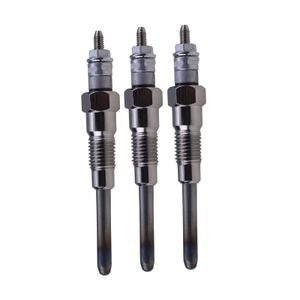
Glow Plug 19077-65510 for Kubota D1403-D1803 Engines – Fast Warm-Up
View Details
Need a Custom Quote?
Our technical team responds within 24 hours. MOQ 1 piece. Ships to 120+ countries from our Guangzhou warehouse.