

Block & Internal Parts

Block & Internal Parts
ISO Certified
Ships 2-5 Days
MOQ 1 Piece
Block & Internal Parts
154-1248 Push Rod for CAT 3034 C2.2 – Fleet Supply
<p><strong>154-1248 Push Rod (8-piece set)</strong> for CAT 3034, 3024C, C2.2 engines — high-grade steel with corrosion-resistant treatment.</p> <ul> <li>Replacement for valve train service on skid steers, compact track loaders, and excavators (216, 226, 232, 242, 304.5 series)</li> <li>Typical wear signs include valve lash drift, uneven idle, and compression loss — plan replacement before secondary damage to rocker arms or cam lobes</li> <li>Replace as a matched 8-piece set to maintain even valve timing across all cylinders</li> <li>MOQ 1 piece with 3–12 month warranty against manufacturing defects</li> </ul> <p>Older machines in your fleet remain supported with steady aftermarket supply for predictable service intervals.</p>
Lead Time
2-5 Days
Warranty
3-12 Months
Min. Order
1 Piece
Ships To
120+ Countries
154-1248
CAT C2.2 Engine
CAT Compatible
Fleet Supply
push rod
Valve Train Part
Request a Quote
Response within 24 hours
Prefer instant chat?
WhatsApp
Product Details
Lifecycle Planning — Push rods for CAT 3034 and C2.2 engines stocked for fleet-level service intervals, preventing reactive teardowns when valve lash drift first appears.
Technical Specifications
| Parameter | Value |
|---|---|
| Part Number | 154-1248 |
| Product Type | Push Rod |
| Cross-Reference | 154-1248 (reference only), 1541248 (reference only), CA1541248 (reference only) |
| Machine Fitment | 216, 226, 228, 232, 242, 216B, 226B, 232B, 242B, 216B2, 216B3, 226B2, 226B3, 232B2, 232D, 232D3, 242B2, 239D, 249D, 247B, 257B, 247B2, 247B3, 257B2, 304.5, 902, AP255E, C2.2 DE18E3/DE22E2, DE18E3/DE22E3, DE9.5E3, CB-334E, CB-334E XW, CB-335E, CB34, CB34XW, CC34, CB34B, CB34B XW, CB36B, CC34B |
| Engine Compatibility | 3034, 3024C, C2.2, 3024, C1.1 |
| Material | High-grade steel |
| Surface Treatment | Corrosion-resistant treatment |
| Quantity per Set | 8 pieces |
| Condition | New Aftermarket |
| Warranty | 3–12 months against manufacturing defects |
| MOQ | 1 piece |
Application Suitability
| Service Interval | What to Check |
|---|---|
| Scheduled Valve Train Overhaul | Cam lobe profile, tappet face wear, rocker arm bushing clearance |
| High-Hour Skid Steer Service (216B/226B/232B) | Valve lash drift, uneven idle, compression loss across cylinders |
| Compact Excavator Mid-Life Refresh (304.5) | Push rod straightness, tip wear, adjacent valve train component condition |
| Rental Fleet Turnaround Maintenance | Full matched set replacement to maintain consistent valve timing |
| Legacy Machine Support (902, AP255E) | Parts availability planning beyond OEM thinning support windows |
Why Valve Train Failures Cascade Through a Fleet
A single bent push rod left unchecked damages rocker arms, cam lobes, and valve seats within operating hours.
Most fleet operators discover push rod wear only after a valve timing fault has already propagated secondary damage through the upper valve train. In Brazilian mining operations running compact loaders with 3024C engines, I have watched maintenance teams replace one damaged rod, return the machine to service, and face the same failure on an adjacent cylinder within weeks because the underlying wear pattern affected the entire set [NEED_CITE: valve train wear propagation patterns in high-hour diesel engines]. The push rod service part functions as a predictable wear item, but treating it as an emergency replacement rather than a scheduled maintenance component creates compounded downtime across skid steer and compact track loader fleets.
Positioning This Wear Item Within the Machine’s Service Life
The push rod sits between the cam follower and the rocker arm, translating rotational motion into valve actuation thousands of times per operating hour. In CAT C2.2 and 3024C engines common to 216B and 226B series skid steers, these components accumulate measurable tip wear and minor bending loads that eventually manifest as valve lash drift. Catching this progression during scheduled valve cover inspections allows maintenance planners to replace matched sets before the wear cascade reaches the rocker arms or camshaft.
Linked Wear Patterns and the Case for Matched Set Replacement
When one push rod shows visible tip wear or bending, the adjacent rods in that cylinder bank typically follow within a narrow wear window. The tappet faces and rocker arm bushings degrade on similar timelines, meaning a single-rod replacement addresses the symptom while leaving the next failure point in place [NEED_CITE: matched component replacement intervals in overhead valve diesel engines]. Budgeting for complete eight-piece sets during any valve cover-off service event consolidates labor costs and prevents the machine from returning to the shop for the same tear-down weeks later. For rental fleets cycling machines through high-hour intervals rapidly, stocking two or three sets per engine platform eliminates the wait time that turns a planned refresh into extended downtime.
Material and Surface Treatment for Sustained Valve Train Geometry
The high-grade steel construction maintains column strength under the cyclic compression loads that push rods experience at every cam lobe passage. Corrosion-resistant surface treatment protects against the moisture condensation common in engines that cycle through temperature extremes—machines parked outdoors in tropical mining environments or operating in coastal port logistics applications. Maintaining surface integrity prevents pitting that would accelerate tip wear and alter the effective length of the rod, which directly affects valve timing precision. The eight-piece set ensures all cylinders receive components from the same production batch with matched dimensional tolerances.
The Cumulative Cost of Reactive Procurement
Replacing push rods only after valve timing faults cause engine misfires or compression loss means the machine has already been down for diagnostic time before the root cause is identified. By that point, secondary damage to rocker arms or valve seats may require additional parts and extended labor. Fleet operators who treat this valve train maintenance part as a scheduled replacement item rather than an emergency purchase avoid these cascade costs and maintain predictable maintenance budgets across mixed fleets of compact loaders and excavators [NEED_CITE: planned versus reactive maintenance cost multipliers in mobile equipment fleets].
Supply Capabilities for Lifecycle-Level Planning
Own production on selected part lines and qualified sourced supply operate under unified quality control, so fleet operators receive consistent specifications across multiple orders. Eight product categories under one account mean push rods can ship alongside seal kits, filters, and gaskets in a single consignment, eliminating split freight costs when planning complete valve train refreshes. One-piece minimum order quantities allow sampling for fitment confirmation before committing to fleet-level stock quantities. Guangzhou warehouse inventory enables rapid dispatch on common items, and technical support can confirm compatibility against specific engine serial ranges or machine model variants. Cross-reference verification covers superseded and alternate numbers, ensuring older machines past OEM support windows remain serviceable.
Documentation & Verification
- Commercial invoice and packing list itemizing push rod sets with batch traceability
- Part compatibility sheet confirming engine serial range applicability (reference only)
- Quality inspection records documenting dimensional checks on tip geometry and straightness
- Warranty terms covering manufacturing defects for 3–12 months post-delivery
- Packing photographs showing corrosion-protected sets before crate sealing
- HS code and customs documentation support for international fleet supply chains
Service Interval & Stocking Guidance
- Inspect push rods during every valve cover-off service event for tip wear and straightness deviation
- Replace as matched eight-piece sets to maintain consistent valve timing across all cylinders
- Stock one to two sets per engine platform in active fleet inventory to eliminate procurement lead time
- Store in corrosion-protected packaging until installation to preserve surface treatment integrity
- Align replacement with adjacent valve train component inspection—tappets, rocker arms, and bushings
- Track engine hours to establish fleet-specific replacement intervals based on actual operating conditions
Planning Your Fleet’s Valve Train Maintenance
Provide your machine models, engine serial numbers, and current operating hours to receive push rod replacement interval recommendations matched to your specific fleet composition and utilization patterns. Confirming engine build variants ensures the supplied sets match your cylinder head configuration and valve train geometry requirements.
Frequently Asked Questions
Q: How often should push rods be inspected in high-hour CAT C2.2 or 3024C engines?
A: Inspect during every valve cover-off service event, typically aligned with injector service or top-end refresh intervals. In severe-duty applications like mining or continuous-shift rental operations, check for tip wear and straightness annually. Early identification of wear patterns allows planned replacement before valve lash drift causes secondary damage to rocker arms or cam lobes, consolidating labor into scheduled downtime rather than emergency repairs.
Q: What other valve train components warrant simultaneous replacement?
A: Tappet faces, rocker arm bushings, and valve stem seals typically wear on similar timelines as push rods in these engines. Budgeting for these adjacent components during any valve cover-off event prevents the machine from returning for related failures weeks later. Matching replacement intervals consolidates labor costs and keeps fleet maintenance predictable rather than reactive.
Q: Should I replace individual push rods or the complete valve train assembly?
A: Individual rod replacement works when cam and rocker surfaces remain within tolerance and only one rod shows damage from an isolated event. When wear appears across multiple rods or the engine has accumulated high hours, full matched set replacement prevents uneven valve timing across cylinders. Assembly exchange becomes necessary when adjacent components show matching wear progression patterns.
Q: How many sets should a mixed fleet operation keep in stock?
A: Stock one to two sets per engine platform rather than per machine, since multiple units in a fleet typically share the same C2.2 or 3024C base engine. This approach covers scheduled replacements and unexpected failures without tying up capital in excessive inventory. Review stock levels annually against actual consumption patterns and fleet composition changes.
Q: Are these push rods still reliably available for older machine models?
A: Yes, aftermarket supply remains available for legacy machines like the 304.5 excavator and 902 wheel loader even as OEM support thins for older platforms. Maintaining relationships with suppliers who stock wear items for aging fleets prevents extended downtime when single parts become difficult to source through traditional dealer channels. Confirm engine serial compatibility before committing to bulk fleet stock.
Compatible Brands
CAT
KOMATSU
HITACHI
VOLVO
HYUNDAI
DOOSAN
KOBELCO
SANY
XCMG
Our parts are engineered to meet or exceed OEM specifications. Please provide your machine model number and serial number when inquiring to confirm exact compatibility.
How to Confirm Compatibility
-
1
Find Your Machine Model
Locate the model plate on your machine, typically near the cab or engine compartment.
-
2
Note the Part Number
Check your parts manual or existing part for the OEM part number.
-
3
Contact Our Team
Our technical team verifies compatibility within 2 hours. Send us the details via the inquiry form or WhatsApp.
Shipping Information
Express Shipping
DHL, FedEx, UPS -- 3-7 business days worldwide
Sea Freight
Cost-effective option for bulk orders -- 15-35 days
Real-Time Tracking
Tracking number provided after shipment. 24/7 support available.
Warranty Policy
3-12
Months Warranty
All parts come with manufacturer warranty. Duration varies by product category.
- Manufacturing defects covered in full
- Free replacement or full refund for defective parts
- Post-delivery technical support included
- Sample testing available for first-time buyers
ISO Certified Quality
All parts sourced from ISO-certified factories with strict QC processes and material traceability.
Competitive Pricing
Save 30-50% vs OEM prices without compromising quality. Transparent pricing with no hidden fees.
Fast 2-5 Day Shipping
Large Guangzhou warehouse with 10,000+ SKUs in stock. Most orders ship within 2-5 business days.
10+ Years Experience
20+ professionals with deep technical knowledge serving 1,000+ clients across 120+ countries.
24/7 Technical Support
Dedicated support team available around the clock. Part verification within 2 hours of inquiry.
Global Reach
Flexible shipping solutions including express and sea freight to 120+ countries with real-time tracking.
Related Products
More parts you might need
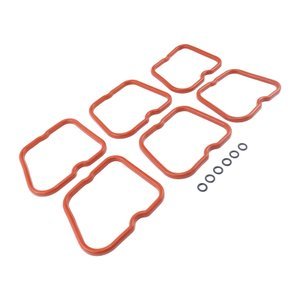
Block & Internal Parts
Valve Cover Gasket Set for Dodge Cummins 12V 5.9L – OEM-fit replacement
View Details

Need a Custom Quote?
Our technical team responds within 24 hours. MOQ 1 piece. Ships to 120+ countries from our Guangzhou warehouse.