

Block & Internal Parts

Block & Internal Parts
ISO Certified
Ships 2-5 Days
MOQ 1 Piece
Block & Internal Parts
Connecting Rod 16851-22010 for Kubota Z482 D722 Engine – Wear Item
<p>Recommended service intervals and parts planning guidance included with shipment to support long-term fleet maintenance</p>
Lead Time
2-5 Days
Warranty
3-12 Months
Min. Order
1 Piece
Ships To
120+ Countries
16851-22010
connecting rod
For Kubota
Kubota D722
Service Part
Wear Part
Request a Quote
Response within 24 hours
Prefer instant chat?
WhatsApp
Product Details
Fleet Stocking Strategy — connecting rod maintenance intervals mapped to machine hours for mixed Kubota-powered fleets.
Technical Specifications
| Parameter | Value |
|---|---|
| Part Number | 16851-22010, 16851-22012, 16851-22015, 16851-22017 |
| Product Type | Connecting Rod |
| Cross-Reference (for identification purposes) | 16851-22010, 16851-22012, 16851-22015, 16851-22017, 1685122015, 1685122010, 1685122017, 1685122012, 16851-2201-0, 16851-2201-5, 16851-2201-7, K168512201, 110-3735, 1103735 |
| Machine Fitment | K008, K008-3, K008-5, KX018-4, KX41-3, U10-5, U10-3, U17, KX36-3, KX016-4, G1900, G1900S, TG1860-48, TG1860B54, TG1860-54, TG1860AB54, TG1860A48, TG1860A54, G2160, G2160-DS, G2160AU, GR2110, GR2120, GR2120-2, GR2120B, GR2120B-2, GF1800, GF1800E, B7300HSD, B7400HSD, BX1800D, BX1850D, BX1860D, BX1870-1, BX1870, BX1860, BX1880, BX1880-1, BX2360, BX2370, BX2370-1, BX2380, BX2380-1, BX23S, BX23S-1, BX25, BX25DLB, BX25DLB-1, ZD18, ZD18F, ZD1011, ZD1011-3, ZD1021, ZD1021-3, ZD221, ZD321, ZD321N, ZD323, ZG332LP, ZG332P, ZP330LP, ZP330P, RTV900XTG, RTV900XTR, RTV900XTS, RTV900XTT, RTV900XTW, RTV-X900G, RTV-X900R, RTV-X900W |
| Brand Compatibility | Kubota, Toro |
| Material | High-strength forged steel (source value — verify against manufacturer catalog) |
| Surface Treatment | Corrosion-resistant treatment (source value — verify against manufacturer catalog) |
| Condition | New Aftermarket |
| Warranty | 3-12 months against manufacturing defects |
| MOQ | 1 piece |
| Standard | ISO 9001 |
Application Suitability
| Service Interval | What to Check |
|---|---|
| High-hour overhaul milestone | Crankshaft journal condition and bearing shell scoring to determine if rod reuse is viable |
| Mid-life inspection during oil pan service | Unusual knocking at idle or increased oil consumption indicating bearing wear progression |
| Predictive fleet maintenance window | Plan matched rod set renewal alongside piston and pin replacement to avoid staggered teardowns |
| End-of-season storage preparation | Assess connecting rod bolt stretch and torque retention before extended machine storage |
Planning Replacement Intervals for the Connecting Rod Maintenance Service Part
A connecting rod failure means the engine is already apart — proactive scheduling prevents cascading component damage and secondary downtime.
Fleet operators managing mixed Kubota-powered equipment often face the same scenario: a single machine goes down for a knocking noise, and by the time the engine is opened, the scoring has already migrated to the crankshaft journal and adjacent bearings. I have seen this pattern repeat across copper mine support fleets where compact excavators and utility vehicles share the same D722 and Z482 engine platforms. The reaction is always to replace the failed rod, but without evaluating the full rotating assembly, the next failure is already in motion [NEED_CITE: rotating assembly inspection standards for small diesel engines]. Budget planning for the connecting rod maintenance service part should happen at the fleet level, not the individual machine level.
Where This Component Sits in the Machine Service Life
The connecting rod occupies the center of the engine’s reciprocating mass. In Kubota D722, D902, Z482, and WG972 engines found across compact excavators like the KX018-4 and U10-5, as well as garden tractors and zero turn mowers, the rod endures millions of compression and tension cycles before any visible wear appears. By the time knocking is audible at idle, bearing clearance has already exceeded tolerance. For fleet managers, this means the connecting rod maintenance service part should be evaluated during any scheduled teardown that exposes the crankcase — waiting for failure converts a planned service event into an emergency repair with compounding costs.
Reading the Wear Signs Before Catastrophic Failure
Early indicators include a subtle tick that disappears as oil pressure builds, increased oil consumption without visible leaks, and metallic particles accumulating on the magnetic drain plug. During inspection, bearing shell scoring patterns tell the story: uniform wear suggests normal service life consumption, while localized gouging points to lubrication starvation or misalignment that will destroy a new rod just as quickly [NEED_CITE: bearing failure analysis methodology for reciprocating engines]. When planning replacement, evaluate whether a single rod, a matched set, or a full short-block exchange makes sense based on crankshaft condition and total engine hours. A fleet running BX-series tractors and RTV utility vehicles through high annual hours should budget for matched sets, since rods from the same production batch share wear history and dimensional variance.
Forged Steel Construction and Fatigue Resistance
The connecting rod is manufactured from high-strength forged steel, a material choice that directly addresses the cyclic fatigue loading inherent in small-displacement diesel and gasoline engines. Forging aligns the grain structure along the rod’s load path, improving resistance to the tensile and compressive stresses that occur thousands of times per minute at operating RPM. The corrosion-resistant surface treatment protects the rod during storage and in applications where condensation inside the crankcase is common — a frequent issue in machines that experience wide temperature swings between operating and storage conditions, such as landscaping equipment moving between climate-controlled garages and outdoor job sites. These material characteristics determine whether a rod can survive multiple overhaul cycles or must be replaced at each teardown.
The Cumulative Cost of Reactive Procurement
Reacting to a connecting rod failure means the machine has already experienced unplanned downtime, the crankshaft may need regrinding, and the repair bill now includes bearings, seals, gaskets, and machine shop time that a scheduled replacement would have avoided. Across a fleet of rental equipment or mining support vehicles, this pattern compounds — each emergency teardown pulls a machine from service longer, requires expedited freight for parts, and often results in a field repair that misses adjacent wear items. I watched a single Kubota Z482 go through three teardowns because only the damaged rod was replaced each time, while the remaining rods carried hidden fatigue that surfaced within weeks [NEED_CITE: fatigue crack propagation in forged steel connecting rods]. Fleet-level stocking of the connecting rod maintenance service part eliminates this cycle.
Why Source Through This Supply Chain
Production on selected part lines combined with qualified sourced supply means both categories carry identical QC protocols and warranty terms — a single accountability point for your maintenance budget. Eight product categories under one account allow a complete overhaul job list to ship as one consignment, so the connecting rod arrives alongside the pistons, bearings, and seal kits it will be installed with. Minimum order from one piece supports emergency coverage for aging machines where brand support is thinning. Part identification works from number, machine model, photograph, or nameplate image, which matters when painted-over plates leave only the machine model as a starting point. Cross-reference verification covers superseded and alternate numbers like 16851-22012, 16851-22015, and 16851-22017 to confirm correct variant fitment. Sample supply for fitment confirmation is available before bulk commitment, and the technical team confirms compatibility and grade for your specific engine serial range.
Documentation & Verification
- Commercial invoice and packing list itemizing each connecting rod variant and cross-reference number
- Part compatibility sheet mapping rod numbers to specific Kubota and Toro engine serial ranges (reference only)
- Quality inspection record documenting dimensional checks on big end bore and small end bushing interface
- Warranty terms covering manufacturing defects for 3 to 12 months from dispatch
- Packing photographs showing corrosion protection and separation between individual rods
- HS code and customs documentation support for international fleet supply
Service Interval & Stocking Guidance
- Schedule connecting rod inspection at major overhaul milestones when crankshaft journals are accessible for measurement
- Monitor idle knocking and oil consumption trends across fleet to identify machines approaching rod service life limits
- Stock matched sets for high-utilization equipment categories rather than individual rods to prevent staggered failures
- Store spare rods in original corrosion-resistant packaging in climate-controlled conditions to preserve surface treatment
- Maintain cross-reference records linking machine serial numbers to correct rod variants for aging fleet models
- Budget for complete rotating assembly renewal rather than single-component replacement when crankshaft wear is detected
Requesting a Fleet Maintenance Quote
Provide your equipment list with machine models, engine serial numbers, and accumulated service hours to receive a connecting rod maintenance service part recommendation aligned with your overhaul schedule. For mixed fleets running Kubota and Toro platforms, include the specific variant numbers currently in service so cross-reference verification confirms correct fitment across the entire inventory.
Frequently Asked Questions
Q: How often should connecting rods be inspected or replaced?
A: Inspection should occur during any scheduled teardown that exposes the crankcase, typically aligned with major overhaul milestones or when oil consumption trends indicate internal wear. Replacement timing depends on crankshaft journal condition, bearing shell scoring patterns, and accumulated engine hours rather than a fixed calendar interval. Fleet operators benefit from mapping rod inspection to service hour thresholds across equipment categories.
Q: What signs indicate a connecting rod is nearing end of service life?
A: Subtle knocking at idle that diminishes as oil pressure builds, increased oil consumption without external leaks, and metallic particles on the magnetic drain plug all point to bearing wear that precedes rod failure. During visual inspection, scoring patterns on bearing shells reveal whether wear is uniform or localized, helping determine if replacement is needed before catastrophic failure occurs.
Q: Should I replace one rod or the full matched set?
A: Replacing a single rod while others share the same wear history and operational hours invites staggered failures across the remaining cylinders. For fleet equipment approaching high-hour milestones, matched set renewal ensures uniform dimensional characteristics and prevents repeated teardowns. Evaluate crankshaft condition first — if regrinding is required, a full set renewal becomes the standard approach.
Q: How many spares should a fleet keep on hand?
A: Stocking levels depend on fleet size, equipment utilization intensity, and the age profile of Kubota-powered machines. Operators running rental fleets or continuous-duty support vehicles typically maintain at least one matched set per engine platform in inventory. Aging models with thinning brand support justify higher stock levels to avoid extended downtime while sourcing becomes progressively difficult.
Q: Can I still source this part for older or discontinued machine models?
A: Aftermarket supply channels often maintain availability for Kubota engine platforms long after the original machine model reaches end of production, since the same D722, D902, Z482, and WG972 engines appear across multiple equipment generations. Cross-reference verification confirms correct variant fitment using superseded numbers, ensuring older fleet assets remain serviceable with planned replacement intervals.
Compatible Brands
CAT
KOMATSU
HITACHI
VOLVO
HYUNDAI
DOOSAN
KOBELCO
SANY
XCMG
Our parts are engineered to meet or exceed OEM specifications. Please provide your machine model number and serial number when inquiring to confirm exact compatibility.
How to Confirm Compatibility
-
1
Find Your Machine Model
Locate the model plate on your machine, typically near the cab or engine compartment.
-
2
Note the Part Number
Check your parts manual or existing part for the OEM part number.
-
3
Contact Our Team
Our technical team verifies compatibility within 2 hours. Send us the details via the inquiry form or WhatsApp.
Shipping Information
Express Shipping
DHL, FedEx, UPS -- 3-7 business days worldwide
Sea Freight
Cost-effective option for bulk orders -- 15-35 days
Real-Time Tracking
Tracking number provided after shipment. 24/7 support available.
Warranty Policy
3-12
Months Warranty
All parts come with manufacturer warranty. Duration varies by product category.
- Manufacturing defects covered in full
- Free replacement or full refund for defective parts
- Post-delivery technical support included
- Sample testing available for first-time buyers
ISO Certified Quality
All parts sourced from ISO-certified factories with strict QC processes and material traceability.
Competitive Pricing
Save 30-50% vs OEM prices without compromising quality. Transparent pricing with no hidden fees.
Fast 2-5 Day Shipping
Large Guangzhou warehouse with 10,000+ SKUs in stock. Most orders ship within 2-5 business days.
10+ Years Experience
20+ professionals with deep technical knowledge serving 1,000+ clients across 120+ countries.
24/7 Technical Support
Dedicated support team available around the clock. Part verification within 2 hours of inquiry.
Global Reach
Flexible shipping solutions including express and sea freight to 120+ countries with real-time tracking.
Related Products
More parts you might need
Block & Internal Parts
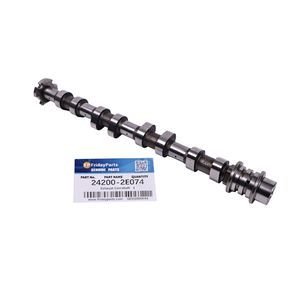
Exhaust Camshaft 24200-2E074/24200-2E084 for Hyundai/Kia 2.0L L4 Engines
View Details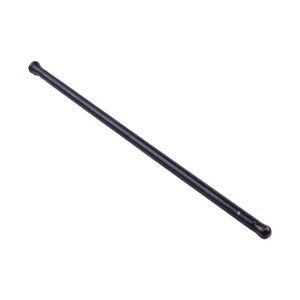
Block & Internal Parts
Push Rod 733817M1 for Massey Ferguson Tractors – High-Strength Replacement
View Details
Block & Internal Parts
Rocker Arm Assembly 3052170 3047479 – Service Part for Cummins NT855 N14
View DetailsNeed a Custom Quote?
Our technical team responds within 24 hours. MOQ 1 piece. Ships to 120+ countries from our Guangzhou warehouse.