

Block & Internal Parts
Connecting Rod for Yanmar 3TNA72 – Overhaul Grade
<p><strong>Connecting Rod for Yanmar 3TNA72 Engine</strong> — forged steel, heat-treated, replacement for compact excavators and utility tractors including YB121, YB151, FF165, and John Deere models.</p> <ul> <li>Fits 3TNA72UJ, 3TNA72L, 3TNA72E variants and suffixes (cross-reference only)</li> <li>Big-end bore tolerance ±0.005 mm, shot-peened surfaces, anti-corrosion phosphate coating</li> <li>Replace at early knock or bearing wear signs to avoid crankshaft damage; inspect piston assemblies and con rod bearings concurrently</li> <li>Recommended service interval and replacement planning guidance included with shipment</li> </ul>
Lead Time
2-5 Days
Warranty
3-12 Months
Min. Order
1 Piece
Ships To
120+ Countries
Request a Quote
Response within 24 hours
Product Details
Fleet Service & Overhaul Planning — Connecting Rod stock aligned with scheduled Yanmar 3TNA72 rebuild cycles to keep compact excavator fleets moving.
Technical Specifications
| Parameter | Value |
|---|---|
| Product Type | Connecting Rod |
| Cross-Reference | Yanmar 3TNA72, 3TNA72UJ, 3TNA72L, 3TNA72E series (reference only for identification) |
| Machine Fitment | YB121, YB151, FF165, FF155, F145, 430, 455, 755, 670, F925 |
| Brand Fitment | Yanmar, John Deere |
| Material | Forged steel, heat-treated |
| Surface Treatment | Anti-corrosion phosphate coating, shot-peened surfaces |
| Hardness | Rockwell C42–C46 |
| Big-end Bore Tolerance | ±0.005 mm |
| Condition | New aftermarket |
| Warranty | 3–12 months against manufacturing defects |
| MOQ | 1 piece |
Application Suitability
| Service Interval | What to Check |
|---|---|
| 2,500–3,500 hours (first overhaul window) | Big-end bore wear, bearing shell crush, bolt stretch |
| 5,000–6,000 hours (mid-life rebuild) | Crankshaft journal condition, piston pin wear, rod alignment |
| High-hour fleet (>8,000 hours) | Previous oversize history, journal scoring, head gasket condition |
| Post-failure teardown | Root cause of rod failure, crankshaft damage extent, secondary component damage |
| Aging John Deere tractors | Suffix variant match (e.g., -NC vs -UDW), bearing grade availability |
Why Machines Sit Waiting for a Single Rod After Catastrophic Failure
The connecting rod sits at the heart of the reciprocating assembly, where a single unplanned failure can cascade into crankshaft damage, piston destruction, and a multi-week downtime event instead of a scheduled service.
I have seen connecting rods of this type fail on site — not because the component itself was poor, but because fleet operators waited until the engine was knocking before ordering. When a rod bearing starves for oil or a bolt stretches past its yield point, the connecting rod itself becomes a destructive force. The crankshaft journal scores, the piston skirts shatter, and what should have been a planned cylinder-by-cylinder teardown turns into a block-level salvage operation [NEED_CITE: typical cascade failure modes in small-bore diesel engines].
Reactive parts ordering means the machine is already down. The downtime cost on a compact excavator working urban infrastructure or agricultural operations far exceeds the cost of forward stocking. Fleet-level scheduled maintenance planning is the difference between a budgeted overhaul and an emergency salvage rebuild.
Where the Connecting Rod Sits in the Ownership Lifecycle
The connecting rod is not a routine wear item like a filter or seal kit, but it is not a lifetime component either. On the Yanmar 3TNA72 platform powering compact excavators and utility tractors, the connecting rod service part maintenance replacement cycle aligns with the first major overhaul — typically between 2,500 and 3,500 operating hours depending on load profile and oil condition. This is the window when big-end bearings show measurable wear, piston ring blow-by increases, and crankshaft journals may require regrinding.
Fleet operators running multiple units on the same Yanmar 3TNA72 variant — whether the E-NC, L-UDW, or E-S — benefit from aligning connecting rod procurement with their scheduled overhaul calendar rather than waiting for individual machines to fail.
Recognizing the Signals Before the Rod Itself Fails
Connecting rod failure rarely happens in isolation. The typical progression starts with big-end bearing wear, which increases oil clearance, drops oil pressure under load, and produces the low-frequency knock that operators recognize. By the time that knock is audible, the bearing shell is typically worn through its overlay layer and into the copper-lead substrate [NEED_CITE: bearing wear progression indicators in compact diesel engines].
At this stage, the connecting rod big-end bore itself may still be within tolerance — if the machine is pulled from service immediately. But if the knock continues unchecked, rod bolt stretch and bore distortion follow, and the rod transitions from a replaceable component to a piece of shrapnel inside the crankcase. The associated components that should be evaluated concurrently — con rod bearings, piston assemblies, crankshaft journals, and head gaskets — all carry a higher replacement probability the longer the knock persists.
Forged Steel, Heat Treatment, and Tolerance Control
This connecting rod is manufactured from forged steel and heat-treated to a Rockwell hardness range of C42–C46, which balances fatigue strength with the controlled deformation characteristics needed for the big-end bore to remain circular under firing loads. Shot-peened surfaces introduce compressive residual stress at the surface layer, reducing the probability of fatigue crack initiation at the bolt hole radii and the transition fillets between the beam and the big-end cap.
The big-end bore tolerance of ±0.005 mm governs the oil film thickness at the bearing interface. If the bore is oversize — from previous service or from manufacturing drift — the bearing shell crush height is compromised, leading to bearing rotation and oil starvation. The anti-corrosion phosphate coating protects the rod during storage and the initial break-in period before full oil film establishment.
The Cumulative Cost of Reactive Procurement
Fleet operators who purchase connecting rods only after a failure face a pattern of escalating cost. The first failure means unplanned downtime and likely crankshaft regrind. The second failure, on a different machine running the same hours, means a second unplanned teardown with the same cascade risk. Across a fleet of compact excavators or utility tractors, the cumulative effect of reactive connecting rod procurement is measurable in lost rental revenue, missed project deadlines, and emergency freight surcharges.
The alternative — stocking rods, bearings, gaskets, and piston assemblies ahead of the predicted overhaul window — converts a reactive salvage event into a planned service operation where the machine is scheduled out, the shop has the parts on the bench, and turnaround is measured in days rather than weeks [NEED_CITE: planned versus reactive maintenance cost ratios in mobile equipment fleets].
Sourcing From a Supplier Built for Fleet Lifecycle Planning
We produce selected part lines in our own facility and source the remainder from qualified ISO-certified manufacturing partners, so both self-produced and sourced connecting rods carry the same QC and warranty terms. A single account covers eight categories, meaning a complete overhaul kit — rods, bearings, piston sets, gasket sets, seal kits — ships as one consignment rather than arriving from multiple vendors on mismatched schedules.
Minimum order starts from one piece, which matters when a single machine in the fleet is due for rebuild while others are not. The Guangzhou warehouse holds common items for fast dispatch, and our technical team is available for compatibility and grade confirmation against your specific engine suffix variant. We also offer sample supply for fitment confirmation before you commit to bulk fleet stocking.
Documentation & Verification
- Commercial invoice and packing list referencing the specific engine suffix variant ordered
- Part compatibility and cross-reference sheet marked reference only for Yanmar 3TNA72 series
- Dimensional inspection record covering big-end bore and bolt hole geometry
- Hardness testing results from production batch with heat treatment lot traceability
- Packing photographs taken before crate closure for pre-dispatch verification
- HS code and customs documentation support for cross-border fleet supply chains
Service Interval & Stocking Guidance
- Schedule first connecting rod evaluation at 2,500–3,500 hours aligned with crankshaft journal inspection
- Stock one rod set per active machine as baseline fleet inventory for the Yanmar 3TNA72 platform
- Monitor big-end bearing oil clearance during oil analysis as early indicator of rod bore condition
- Store rods in original phosphate coating until installation to prevent surface corrosion
- Confirm engine suffix variant before ordering to match correct rod specification across your fleet
Requesting a Lifecycle-Oriented Quote
Provide the machine models in your fleet, the current operating hours on each unit, and the engine suffix variants where visible on the nameplate. This allows us to confirm the correct connecting rod specification, cross-reference any superseded numbers, and recommend stocking quantities aligned with your planned overhaul cadence. For aging John Deere utility tractors where dealer support is thinning, include the engine serial number so we can verify variant compatibility and long-term supply availability.
Frequently Asked Questions
Q: How do I know when the connecting rod should be replaced versus when a full overhaul is warranted?
A: If crankshaft journals are within regrind limits and cylinder bores are not scored, individual rod replacement during a bearing refresh may be sufficient. If journals are deeply scored or bores are out of round, a full overhaul with piston sets, new rods, and a reground or replaced crankshaft is the more reliable path. Oil analysis and a teardown inspection of the first failed unit establish the pattern for the rest of the fleet.
Q: What other components should be inspected or replaced at the same time?
A: Con rod bearing shells, main bearings, piston pin bushings, piston rings, head gaskets, and the oil pump should all be evaluated during any connecting rod service event. The oil pump is often overlooked but may be the root cause of the bearing wear that led to the rod failure in the first place.
Q: How many units should I stock for a fleet of the same machine model?
A: A common approach is one complete rod set per machine as baseline inventory, plus one additional set as safety stock for the first machine to reach its overhaul window. This accounts for the staggered service intervals across a fleet and prevents the second failure from becoming a second emergency order.
Q: Can I still source this part for older machine variants with limited dealer support?
A: Yes. The Yanmar 3TNA72 series includes numerous suffix variants — from the E-NC to the L-UDW2 — and we maintain cross-reference coverage across these variants. Provide your specific engine suffix and serial number so we can confirm the correct rod specification and long-term supply commitment for your aging machines.
Q: What is the expected service interval before the next planned replacement?
A: After a properly executed connecting rod replacement with new bearings and verified crankshaft journals, the next planned evaluation typically aligns with the following overhaul window at 2,500–3,500 hours. Oil analysis and regular bearing clearance checks during that interval provide early warning if conditions deviate from the expected pattern.
Compatible Brands
Our parts are engineered to meet or exceed OEM specifications. Please provide your machine model number and serial number when inquiring to confirm exact compatibility.
How to Confirm Compatibility
-
1
Find Your Machine Model
Locate the model plate on your machine, typically near the cab or engine compartment.
-
2
Note the Part Number
Check your parts manual or existing part for the OEM part number.
-
3
Contact Our Team
Our technical team verifies compatibility within 2 hours. Send us the details via the inquiry form or WhatsApp.
Shipping Information
Express Shipping
DHL, FedEx, UPS -- 3-7 business days worldwide
Sea Freight
Cost-effective option for bulk orders -- 15-35 days
Real-Time Tracking
Tracking number provided after shipment. 24/7 support available.
Warranty Policy
All parts come with manufacturer warranty. Duration varies by product category.
- Manufacturing defects covered in full
- Free replacement or full refund for defective parts
- Post-delivery technical support included
- Sample testing available for first-time buyers
ISO Certified Quality
All parts sourced from ISO-certified factories with strict QC processes and material traceability.
Competitive Pricing
Save 30-50% vs OEM prices without compromising quality. Transparent pricing with no hidden fees.
Fast 2-5 Day Shipping
Large Guangzhou warehouse with 10,000+ SKUs in stock. Most orders ship within 2-5 business days.
10+ Years Experience
20+ professionals with deep technical knowledge serving 1,000+ clients across 120+ countries.
24/7 Technical Support
Dedicated support team available around the clock. Part verification within 2 hours of inquiry.
Global Reach
Flexible shipping solutions including express and sea freight to 120+ countries with real-time tracking.
Related Products
More parts you might need


Block & Internal Parts
Connecting Rod 31A19-10024 for Mitsubishi S3L S4L Tractors – Fleet Supply
View Details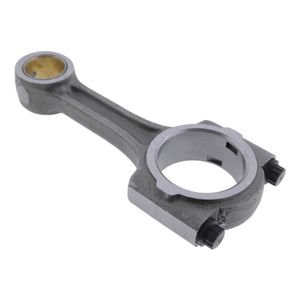
Block & Internal Parts
Connecting Rod 1G687-22010 for Kubota Z482/D902 – Scheduled Maintenance
View Details
Need a Custom Quote?
Our technical team responds within 24 hours. MOQ 1 piece. Ships to 120+ countries from our Guangzhou warehouse.