

Engine Auxiliary Components
Engine Auxiliary Components
ISO Certified
Ships 2-5 Days
MOQ 1 Piece
Engine Auxiliary Components
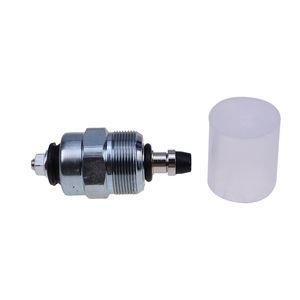
Fuel Solenoid 2852741 for New Holland F4CE9484C/L J600 – Fleet Supply
<p><strong>Fuel Stop Solenoid 2852741 for New Holland F4CE9484C/L J600 Engines</strong> — 12V, Class H coil insulation, Viton-based (FKM) seals, operating range –40°C to +120°C. Replacement for OEM reference 2852741 (cross-reference only).</p> <ul> <li>Early failure signs include intermittent stalling and inconsistent fuel cutoff caused by coil insulation breakdown under sustained thermal cycling. Replacing the solenoid individually avoids full fuel pump assembly exchange, reducing downtime and cost during mid-life service.</li> <li>Linked wear with injection pump seals and fuel lines increases when solenoid response degrades — schedule replacement within standard maintenance intervals to protect adjacent components.</li> </ul> <p>Recommended replacement intervals provided with shipment to support fleet maintenance planning across aging New Holland F4CE9484C/L J600 platforms.</p>
Lead Time
2-5 Days
Warranty
3-12 Months
Min. Order
1 Piece
Ships To
120+ Countries
12V
2852741
Fleet Supply
For New Holland
Fuel System
New Holland F4CE9484C
stop solenoid
Request a Quote
Response within 24 hours
Prefer instant chat?
WhatsApp
Product Details
Fleet Stocking for Aging Engines — New Holland F4CE9484C/L J600 platforms keep working long after dealer support thins; this stop solenoid stays in production so mid-life fleets can plan ahead.
Technical Specifications
| Parameter | Value |
|---|---|
| Part Number | 2852741 |
| Product Type | Stop Solenoid |
| Cross-Reference | 2852741 (reference only) |
| Machine Fitment | New Holland F4CE9484C J600, F4CE9484L J600 |
| Voltage | 12V |
| Condition | New Aftermarket |
| Coil Insulation | Class H (180°C) |
| Seal Material | Viton-based (FKM) |
| Operating Temperature Range | –40°C to +120°C |
| Dimensional Standard | ISO 2768-mK |
| Warranty | 3–12 months against manufacturing defects |
| Compliance | ISO 9001 |
Application Suitability
| Service Interval | What to Check |
|---|---|
| 2,000–3,000 operating hours | Coil resistance drift and intermittent stalling at shutdown |
| 5,000+ operating hours | Seal hardening from sustained thermal cycling in engine bay |
| Annual preventive review | Solenoid response delay and fuel cutoff consistency |
| Pre-overhaul inspection | Linked wear on injection pump seals and adjacent fuel lines |
| Fleet rotation between sites | Electrical connector integrity and wiring harness condition |
Why the Engine Won’t Shut Down and What It Costs Your Schedule
A fuel stop solenoid that fails to actuate leaves the engine running past key-off, forcing operators to stall machines manually — a habit that accelerates drivetrain stress across the fleet.
The solenoid is small, but its failure stops the entire machine. In Latin American fleet operations, I have watched rental companies lose turnaround windows because a single shutdown component was not on the shelf when the maintenance crew needed it. The part itself is inexpensive compared to the cascade: missed contract deadlines, idle operators, and reactive procurement at short notice. [NEED_CITE: preventive maintenance scheduling for mixed heavy equipment fleets]
When fleet managers treat the fuel stop solenoid as a reactive item rather than a predictable wear component, consumption patterns become invisible. Across a mixed fleet of New Holland F4CE9484C and F4CE9484L J600 engines, these solenoids fail at rates that correlate with ambient temperature exposure and electrical system condition, not just operating hours. The machines that sit in high-heat environments with marginal wiring tend to burn through coils faster, yet the maintenance budget rarely reflects that reality.
Where This Solenoid Sits in the Engine’s Service Life
The stop solenoid occupies a specific point in the auxiliary system lifecycle. Early in service, the Class H insulation and FKM seals hold up well under normal thermal loads. As the engine accumulates hours, heat cycling gradually degrades coil insulation integrity, and the seal material loses elasticity. Fuel stop solenoid maintenance replacement at this stage is straightforward and low-cost. By the time the machine approaches mid-life overhaul territory, the question shifts: does it make sense to replace the solenoid alone, or exchange the fuel pump assembly that houses it?
Reading the Signs Before Complete Failure
Solenoid degradation rarely happens without warning. Intermittent stalling during normal operation, delayed fuel cutoff after key-off, and inconsistent engine shutdown behavior all point toward coil breakdown. In my experience running fleet maintenance for construction crews across Latin America, the machines that caused the most expensive downtime were the ones where operators noticed these symptoms but no one logged them. [NEED_CITE: early fault detection indicators for engine auxiliary electrical components] When the fuel stop solenoid finally seizes, the machine cannot shut down through normal controls, and manual intervention introduces risk to the transmission and torque converter.
What the Specs Mean on a Job Site
The 12V rating aligns with standard heavy equipment electrical systems, but voltage alone does not tell the whole story. The Class H insulation rating at 180°C matters because engine bay temperatures on J600 platforms regularly push thermal limits during continuous harvesting or earthmoving operations. The Viton-based FKM seal material resists fuel degradation across the full –40°C to +120°C operating range, which is critical for machines that work in both high-altitude mining and tropical agriculture. The ISO 2768-mK dimensional tolerance ensures the solenoid seats correctly in the fuel pump housing without requiring shimming or modification during installation.
The Cumulative Cost of Reactive Procurement
Fleet operators who skip preventive stocking of this component pay in repeated downtime events. A single emergency procurement cycle pulls a machine out of rotation while the part ships, and that machine was likely already scheduled for other maintenance tasks that now stall as well. Across a fleet of ten or more units running New Holland F4CE9484C/L engines, the compounded idle hours from unplanned solenoid failures become a line item worth tracking. [NEED_CITE: total cost of ownership modeling for aftermarket component stocking] Worse, the reactive cycle encourages crews to bypass proper shutdown procedures, introducing wear elsewhere in the drivetrain that shows up months later as premature transmission or hydraulic pump issues.
What We Bring to the Table
We produce selected part lines in our own facility and source the remainder from ISO-certified partners, so this solenoid carries the same QC standards and warranty terms regardless of production source. Eight product categories under one account means you can bundle solenoids with fuel filters, seal kits, and electrical connectors in a single shipment. Minimum order from one piece accommodates both emergency single-unit needs and batch stocking for fleet replenishment. Cross-reference verification covers superseded and alternate part numbers, so older F4CE9484C/L platforms with revised numbering still get the correct variant. Sample supply before bulk commitment lets your workshop confirm fitment on an actual machine before the full order ships.
Documentation & Verification
- Commercial invoice listing part number 2852741 with engine fitment cross-reference noted as reference only
- Packing list matched to batch quantities for fleet stocking allocation
- Dimensional inspection record verifying ISO 2768-mK tolerance on solenoid body and mounting interface
- Warranty terms covering manufacturing defects for 3–12 months from dispatch date
- Packing photographs showing individual unit condition and labeling before crate closure
Service Interval & Stocking Guidance
- Plan fuel stop solenoid maintenance replacement at major service intervals aligned with fuel system overhauls
- Monitor coil resistance readings during routine electrical checks to catch insulation degradation early
- Stock at least one unit per three F4CE9484C/L J600 machines for fleets operating in high-temperature environments
- Store unused solenoids in sealed packaging away from direct sunlight and chemical exposure
- Verify electrical connector condition on the wiring harness each time a solenoid is swapped
Planning Your Next Order
Provide your fleet size, annual operating hours per machine, and the engine serial ranges across your New Holland F4CE9484C and F4CE9484L J600 units. With that information, we can confirm the correct solenoid variant, suggest batch quantities aligned to your maintenance calendar, and outline a supply schedule that keeps your preventive program on track without tying up capital in excess inventory.
Frequently Asked Questions
Q: How often should the fuel stop solenoid be replaced within a standard maintenance cycle?
A: On New Holland F4CE9484C/L J600 engines, we recommend inspection at every major service interval and planned fuel stop solenoid maintenance replacement when coil resistance drifts beyond specification or shutdown response becomes inconsistent. Exact timing depends on operating environment and electrical system condition, but aligning replacement with fuel pump service simplifies workflow and prevents reactive downtime.
Q: What operational symptoms indicate the solenoid is approaching end of service life?
A: Intermittent stalling during normal operation, delayed engine shutdown after key-off, and inconsistent fuel cutoff behavior are the primary indicators. These symptoms reflect gradual coil insulation breakdown under sustained thermal cycling. Logging them early allows your maintenance team to schedule replacement during planned downtime rather than responding to a complete failure on the job site.
Q: Should the solenoid be replaced individually or together with adjacent fuel system components?
A: For machines early in their service life, individual replacement is usually sufficient. On units approaching mid-life overhaul territory, replacing the solenoid alongside injection pump seals and fuel line fittings makes sense because the labor is already committed and adjacent components share similar wear patterns from thermal exposure.
Q: How many units should a fleet operator keep in stock based on machine count and annual hours?
A: A practical starting point is one unit per three F4CE9484C/L J600 machines for fleets in high-temperature or high-utilization environments. Consumption rates increase where electrical systems are marginal or ambient heat accelerates coil degradation. Review your actual replacement history over two or three cycles, then adjust stocking levels to match observed demand.
Q: Will continued aftermarket supply be available for older New Holland F4CE9484C/L J600 engines?
A: Yes. These engine platforms remain widely deployed in construction, agriculture, and material handling across multiple regions. We maintain production and sourcing for this solenoid specifically because fleet operators with aging machines need dependable supply even after brand-dealer support becomes inconsistent. Cross-reference verification ensures variant accuracy across production runs.
Compatible Brands
CAT
KOMATSU
HITACHI
VOLVO
HYUNDAI
DOOSAN
KOBELCO
SANY
XCMG
Our parts are engineered to meet or exceed OEM specifications. Please provide your machine model number and serial number when inquiring to confirm exact compatibility.
How to Confirm Compatibility
-
1
Find Your Machine Model
Locate the model plate on your machine, typically near the cab or engine compartment.
-
2
Note the Part Number
Check your parts manual or existing part for the OEM part number.
-
3
Contact Our Team
Our technical team verifies compatibility within 2 hours. Send us the details via the inquiry form or WhatsApp.
Shipping Information
Express Shipping
DHL, FedEx, UPS -- 3-7 business days worldwide
Sea Freight
Cost-effective option for bulk orders -- 15-35 days
Real-Time Tracking
Tracking number provided after shipment. 24/7 support available.
Warranty Policy
3-12
Months Warranty
All parts come with manufacturer warranty. Duration varies by product category.
- Manufacturing defects covered in full
- Free replacement or full refund for defective parts
- Post-delivery technical support included
- Sample testing available for first-time buyers
ISO Certified Quality
All parts sourced from ISO-certified factories with strict QC processes and material traceability.
Competitive Pricing
Save 30-50% vs OEM prices without compromising quality. Transparent pricing with no hidden fees.
Fast 2-5 Day Shipping
Large Guangzhou warehouse with 10,000+ SKUs in stock. Most orders ship within 2-5 business days.
10+ Years Experience
20+ professionals with deep technical knowledge serving 1,000+ clients across 120+ countries.
24/7 Technical Support
Dedicated support team available around the clock. Part verification within 2 hours of inquiry.
Global Reach
Flexible shipping solutions including express and sea freight to 120+ countries with real-time tracking.
Related Products
More parts you might need
Engine Auxiliary Components
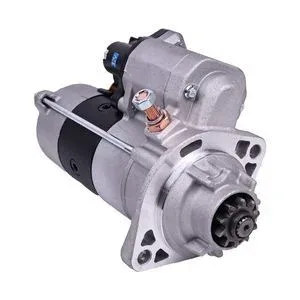
12V Starter Motor 4996706 for Cummins – Scheduled Maintenance
View Details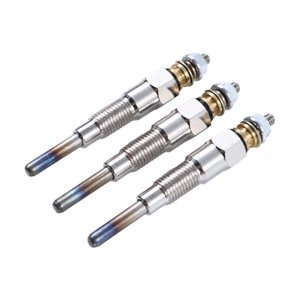
Engine Auxiliary Components
3 Glow Plugs for Perkins 402D-05/404D-15 – Direct Replacement with OEM Fit
View Details
Need a Custom Quote?
Our technical team responds within 24 hours. MOQ 1 piece. Ships to 120+ countries from our Guangzhou warehouse.