
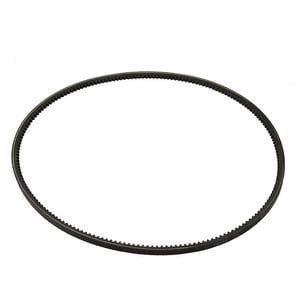
Belt Drive Systems
Narrow V-Belt 0117-9565 for DEUTZ 1011/2011 – Fleet Supply
<p><strong>Narrow V-Belt 0117-9565</strong>, 10 × 1125 mm replacement for DEUTZ 1011/2011 series engines, chloroprene rubber compound with high-modulus polyester cords</p> <ul> <li>Fits <strong>BF4M2011, D2011L03, F2L1011F, F3L1011F, F3L2011, F3M2011, F4L2011</strong> — covers the full 1011/2011 family in a single belt spec</li> <li>Schedule replacement at standard service intervals; side-wall cracking, glazed wear surface, and tension loss signal end of service life</li> <li>Replace all belts on the same drive loop together — mixing new with worn belts causes uneven tension and accelerated failure</li> <li>Stocking ahead by predictable consumption cycle avoids emergency orders and split freight for quarry, port, and municipal fleets</li> <li>Maintenance interval recommendations and quality inspection records ship with every consignment</li> </ul>
Lead Time
2-5 Days
Warranty
3-12 Months
Min. Order
1 Piece
Ships To
120+ Countries
Request a Quote
Response within 24 hours
Product Details
Fleet Stocking Strategy — Aftermarket 0117-9565 narrow V-belt kept in fleet inventory prevents reactive ordering and keeps DEUTZ 1011/2011 engines running on schedule.
Technical Specifications
| Parameter | Value |
|---|---|
| Part Number | 0117-9565 |
| Cross-Reference | 0117-9565 (reference only), 01179565 (reference only), 02235179 (reference only), 2324000890 (reference only) |
| Machine Fitment | BF4M2011, D2011L03, F2L1011F, F3L1011F, F3L2011, F3M2011, F4L2011 |
| Product Type | Belt |
| Top Width | 10 mm |
| Pitch Length | 1125 mm |
| Material | Chloroprene rubber compound |
| Cord Reinforcement | High-modulus polyester tensile members |
| Breaking Strength | ≥250 N/mm² |
| Operating Temperature | -20°C to +120°C |
| Dimensional Tolerance | ±0.15 mm |
| Dynamic Fatigue Testing | 3,000 cycles/hour for 48 hours |
| Condition | New Aftermarket |
| Warranty | 6-month standard warranty against manufacturing defects |
| MOQ | 1 piece |
| Standards | ISO 9001, ISO 4184, DIN 2215 |
Application Suitability
| Service Interval | What to Check |
|---|---|
| Every 500 operating hours | Side-wall cracking, glazing on contact face, tension loss |
| Engine overhaul | Replace belt alongside tensioner, idler pulleys, and associated seals |
| Seasonal inspection (hot climate fleets) | Check for heat-induced rubber hardening and loss of flexibility |
| Pre-deployment check (rental turnover) | Confirm no fraying, correct tracking on pulley grooves |
Why Fleets Lose More Money Waiting for a Belt to Break
Reactive belt replacement costs far more in downtime than the part itself.
When a belt drive component fails unexpectedly, the cascade is immediate: coolant circulation stops, the alternator goes offline, and auxiliary systems dependent on that drive loop shut down. I have watched quarry crushers sit idle for days while a single narrow V-belt was sourced on emergency freight. The Narrow V-Belt service part for DEUTZ 1011 2011 engine maintenance belongs in a planned consumption schedule, not in a panic order [NEED_CITE: planned versus reactive maintenance cost multipliers in mobile equipment fleets].
Fleets running multiple units with BF4M2011 or F3L1011F engines accumulate predictable belt consumption. Treating this component as a stocked consumable rather than an emergency purchase eliminates the lead-time penalty and keeps machines on their assigned work cycles.
Where This Belt Sits in the Engine Service Life
The belt drive system is the first mechanical link between the crankshaft and every auxiliary the engine needs to stay operational. A Narrow V-Belt service part for DEUTZ 1011 2011 engine maintenance connects directly to cooling, charging, and sometimes hydraulic pump drives. Its position in the service hierarchy means that neglecting it does not just cost a belt — it risks overheating events, battery discharge, and control system faults that compound into larger repair scopes.
Fleet managers who track engine hours against belt replacement intervals consistently report fewer unplanned shutdowns. The 10 × 1125 mm profile and chloroprene compound are engineered to endure the thermal cycling typical of construction and quarry environments, but no belt outlasts its planned change-out window. Aligning belt swaps with scheduled oil and filter services consolidates labor and keeps machines available.
Reading the Wear Signals Before Catastrophic Failure
Belt degradation follows a readable progression. Early-stage wear shows as fine longitudinal cracks along the side walls and a polished appearance on the driving face. As the chloroprene compound hardens from repeated heat cycles, flexibility drops and the belt begins to slip under load [NEED_CITE: elastomer hardening and belt slip correlation in industrial drive systems]. Tension decay accelerates once the polyester tensile members stretch beyond their elastic recovery point.
When one belt in a matched drive set fails, the remaining belts have already absorbed similar stress. Replacing only the broken belt creates uneven load sharing — the new belt carries more tension while the older belts continue to stretch, leading to premature failure of the replacement. Synchronized replacement across the drive loop protects the entire system and avoids repeated teardowns.
What the Specification Numbers Mean in Practice
The 10 mm top width and 1125 mm pitch length define the belt’s seating geometry inside the pulley groove. A deviation beyond the stated ±0.15 mm tolerance would cause the belt to ride too high or bottom out, both of which accelerate wear and generate excess heat. The high-modulus polyester cord reinforcement resists elongation under continuous load, which matters in applications like material handlers where the engine runs at sustained RPM for long shifts.
Chloroprene rubber compound provides the operating temperature envelope from -20°C to +120°C, covering cold-start mornings through peak afternoon heat in tropical quarry sites. The dynamic fatigue test protocol — 3,000 flex cycles per hour for 48 hours — simulates the repetitive bending the belt undergoes around small-diameter pulleys. Breaking strength at ≥250 N/mm² ensures the tensile members can absorb shock loads from sudden auxiliary engagement without snapping.
The Hidden Cost of Buying One Belt at a Time
Fleets that source belts reactively pay a compounding penalty. Each emergency order carries expedited freight charges, administrative overhead for single-line purchase orders, and machine idle time while waiting for delivery. Over a year, a fleet of ten loaders running DEUTZ 2011-series engines might consume multiple belts across different units — yet purchasing them one at a time means ten separate procurement cycles instead of one consolidated order [NEED_CITE: procurement cycle cost reduction through consumable consolidation].
Worse, a machine sitting without a belt is also a machine generating no revenue. In rental fleets, downtime between turnover and redeployment directly erodes utilization rates. Keeping a calculated quantity of this narrow V-belt in the parts room means a worn belt is swapped during scheduled maintenance, not discovered after it has already broken on a job site.
Why Source This Belt Through Our Supply Channel
Own production lines and qualified sourced supply operate under a single warranty, so whether the belt comes from our facility or a certified partner, the QC standard is identical. Eight product categories under one account means belt drive components, filters, seals, and gaskets ship together — no split deliveries or mismatched arrival dates.
Minimum order starts at one piece, which supports emergency top-ups without forcing unnecessary bulk. Guangzhou warehouse stock on fast-moving consumables enables quick dispatch for common items. Part identification is supported through part number, machine model, or even a photograph of a worn nameplate. Cross-reference verification covers superseded and alternate numbers, reducing the risk of ordering an outdated variant. Sample supply is available for fitment confirmation before committing to fleet-scale quantities.
Documentation & Verification
- Commercial invoice listing 0117-9565 with HS code for customs clearance
- Cross-reference sheet mapping 0117-9565, 01179565, 02235179, and 2324000890 (reference only)
- Dimensional inspection record confirming 10 × 1125 mm within ±0.15 mm tolerance
- 6-month warranty certificate covering manufacturing defects
- Packing photographs documenting belt condition before dispatch
- Material compliance record referencing ISO 4184 and DIN 2215 standards
Service Interval & Stocking Guidance
- Inspect belt side walls and tension at every 500-hour service interval
- Replace immediately if glazing, cracking, or fraying is visible on the driving face
- Stock one belt per active engine plus a buffer for multi-unit fleets
- Store belts flat in a dry environment away from direct sunlight and ozone sources
- Replace all belts on the same drive loop simultaneously to maintain even tension
- Align belt replacement with engine oil and filter service to consolidate labor
Planning Your Next Belt Order
Provide your engine model, engine serial number, and current operating hours so we can confirm fitment and suggest stocking quantities aligned with your maintenance schedule. If you manage a mixed fleet across the 1011 and 2011 series, share the full equipment list and we will map each unit to the correct belt variant.
Frequently Asked Questions
Q: How often should the belt drive system be inspected on DEUTZ 1011/2011 engines?
A: A visual and tension check every 500 operating hours is a sound baseline. Look for side-wall cracks, surface glazing, and any loss of tracking on the pulleys. Engines in high-temperature environments such as quarries or port operations may need more frequent inspections due to accelerated rubber hardening.
Q: What signs indicate this narrow V-belt is approaching failure?
A: Early warnings include fine cracks along the belt edges, a shiny polished contact surface, and audible slipping under load. As degradation progresses, the belt may squeal during startup or fail to maintain auxiliary drive speed. Any visible fraying or separation of the rubber from the cord reinforcement demands immediate replacement.
Q: Should all belts on the same drive loop be replaced at once?
A: Yes. Mixing a new belt with aged belts creates uneven tension distribution. The new belt absorbs disproportionate load and wears faster, while the older belts continue to stretch. Synchronized replacement across the loop ensures balanced loading and extends the service interval for the entire set.
Q: How many belts should a fleet keep in stock?
A: A practical starting point is one belt per active engine plus a buffer equivalent to one additional service cycle. Fleet managers tracking consumption history can refine this figure based on actual replacement frequency across their specific operating conditions and duty cycles.
Q: Can replacement belts still be sourced for older DEUTZ 1011/2011 engines?
A: Yes. These engines remain widely deployed in construction, agriculture, and material handling. The aftermarket supply chain continues to support the 1011 and 2011 series with compatible belt drive components. Cross-reference verification ensures the correct variant is matched to your specific engine serial number.
Compatible Brands
Our parts are engineered to meet or exceed OEM specifications. Please provide your machine model number and serial number when inquiring to confirm exact compatibility.
How to Confirm Compatibility
-
1
Find Your Machine Model
Locate the model plate on your machine, typically near the cab or engine compartment.
-
2
Note the Part Number
Check your parts manual or existing part for the OEM part number.
-
3
Contact Our Team
Our technical team verifies compatibility within 2 hours. Send us the details via the inquiry form or WhatsApp.
Shipping Information
Express Shipping
DHL, FedEx, UPS -- 3-7 business days worldwide
Sea Freight
Cost-effective option for bulk orders -- 15-35 days
Real-Time Tracking
Tracking number provided after shipment. 24/7 support available.
Warranty Policy
All parts come with manufacturer warranty. Duration varies by product category.
- Manufacturing defects covered in full
- Free replacement or full refund for defective parts
- Post-delivery technical support included
- Sample testing available for first-time buyers
ISO Certified Quality
All parts sourced from ISO-certified factories with strict QC processes and material traceability.
Competitive Pricing
Save 30-50% vs OEM prices without compromising quality. Transparent pricing with no hidden fees.
Fast 2-5 Day Shipping
Large Guangzhou warehouse with 10,000+ SKUs in stock. Most orders ship within 2-5 business days.
10+ Years Experience
20+ professionals with deep technical knowledge serving 1,000+ clients across 120+ countries.
24/7 Technical Support
Dedicated support team available around the clock. Part verification within 2 hours of inquiry.
Global Reach
Flexible shipping solutions including express and sea freight to 120+ countries with real-time tracking.
Related Products
More parts you might need

Need a Custom Quote?
Our technical team responds within 24 hours. MOQ 1 piece. Ships to 120+ countries from our Guangzhou warehouse.