
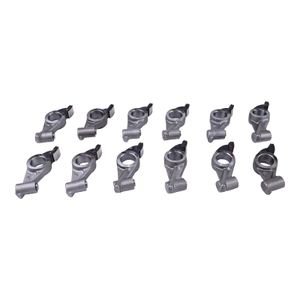
Block & Internal Parts

Block & Internal Parts
ISO Certified
Ships 2-5 Days
MOQ 1 Piece
Block & Internal Parts
Push Rod 8-97071673-0 for Isuzu 4JH1 4JA1 4JB1 – Wear Item
<p><strong>Push Rod 8-97071673-0 for Isuzu 4JH1 / 4JA1 / 4JB1 Engines, High-Strength Steel</strong> — planned replacement of valve-train wear items during scheduled service intervals prevents unscheduled teardowns across NKR, NPR, and NQR truck fleets. Inspect rocker arms, tappets, and valve seals at the same service window to avoid repeat labour and downtime on 4J-series platforms.</p> <ul> <li>Cross-reference: 8970716730, 8-94143202-0, 8941432020, 8-97071673-1</li> <li>MOQ 1 piece, ISO-manufactured, 3–12 month warranty</li> <li>Replacement interval guidance and fleet stocking plan included with shipment</li> </ul>
Lead Time
2-5 Days
Warranty
3-12 Months
Min. Order
1 Piece
Ships To
120+ Countries
8-97071673-0
Block Internal Part
For Isuzu
Isuzu 4JH1
push rod
Wear Part
Request a Quote
Response within 24 hours
Prefer instant chat?
WhatsApp
Product Details
Fleet Stocking Plan — Push rod replacement intervals mapped to Isuzu 4J-series valve-train service schedules for NKR and NPR fleets.
Technical Specifications
| Parameter | Value |
|---|---|
| Part Number | 8-97071673-0 |
| Product Type | Push Rod |
| Cross-Reference | 8-97071673-0, 8970716730, 8-94143202-0, 8941432020, 8-97071673-1, 8970716731 (reference only) |
| Machine Fitment | NHR, NKR, NKR55, NKR66, NKR69, NKR71, NKR77, NLR, NLR55, NLR71, NLR77, NLR85, NMR, NMR55, NMR71, NMR77, NMR85, NPR, NQR, QKR, TFR, TFS, UBS, UCS |
| Brand Compatibility | Replacement for Isuzu 4JA1, 4JB1, 4JH1 engine applications |
| Condition | New Aftermarket |
| Material | High-strength steel |
| Surface Treatment | Anti-rust treatment |
| Straightness Tolerance | 0.05mm |
| Warranty | 3–12 months against manufacturing defects |
| Standard | ISO |
| Minimum Order | 1 piece |
Application Suitability
| Service Interval | What to Check |
|---|---|
| Valve-train inspection during top-end service | Tappet face wear, rocker arm bushing clearance, push rod tip condition |
| Scheduled fleet maintenance (NKR/NPR delivery routes) | Bent or mushroomed push rod ends, valve lash drift over service window |
| Rental turnaround between contract periods | Full valve-train visual and measurement audit including push rod straightness |
| Older-platform life extension (TFR/TFS/UBS) | Cross-reference continuity for superseded numbers, stock availability for aging engines |
| Mining transport fleet overhaul planning | Cam follower and push rod paired wear, system-level refresh versus single-part swap |
Why One Failed Push Rod Means the Whole Valve Train Needs Attention
Replacing a single push rod without inspecting the rest of the valve train almost always leads to a second teardown within months.
In Latin American mining transport operations, I have watched fleet managers approve single-component push rod replacements to save a service window, only to face the same engine back in the bay with a different bent rod or a wiped tappet. The Isuzu 4J-series valve train wears as a system: cam lobe, tappet, push rod, rocker arm, and valve stem all share the same load cycle. When one Push Rod service part Isuzu 4JA1 4JB1 4JH1 fails ahead of schedule, the root cause usually sits in an adjacent component that was not addressed. [NEED_CITE: valve train wear progression patterns in medium-duty diesel engines]
Fleet operators running NKR and NPR trucks on construction-site routes or mining haul roads accumulate valve-train wear faster than standard highway-cycle projections suggest. Dust ingestion, sustained high-load operation, and extended oil-drain intervals all compress the service window for these components.
Where the Push Rod Sits in the Engine Service Life
The push rod transfers cam lobe motion to the rocker arm, and its two contact points — the tappet cup and the rocker adjuster — are where wear becomes visible first. A mushroomed tip or a worn ball end on a Push Rod service part Isuzu 4JA1 4JB1 4JH1 tells you that the mating surfaces on the tappet and rocker arm have also been operating outside ideal geometry. Planning replacement at the valve-train service interval, rather than reacting to a single failure, keeps fleet downtime scheduled instead of emergency-driven.
Recognising Wear Before It Becomes a Breakdown
The progression is usually readable during routine valve-lash checks. Increasing lash adjustment frequency, audible tapping that does not resolve with adjustment, or visible scoring on the push rod shaft all indicate that the component is approaching end of service life. When multiple push rods in the same bank show similar wear depth, the economical decision shifts from individual replacement to a full valve-train refresh — rocker arms, tappets, and valve seals included. Catching this transition point is where fleet maintenance planning separates from reactive repair. [NEED_CITE: diesel engine valve train inspection intervals and wear limits]
Reading the Specifications That Matter in Service
High-strength steel construction gives the push rod the column strength to transfer cam lift without buckling under sustained valve-spring pressure. The 0.05mm straightness tolerance is critical because even minor deviation causes uneven loading on the rocker arm pivot, accelerating bushing wear on one side. Anti-rust surface treatment matters in storage as much as in operation: push rods held in fleet spare-parts inventory for months in humid or coastal conditions can develop surface pitting that becomes a stress-concentration point once installed. These are not catalog numbers to gloss over — they directly determine whether a stocked part survives shelf time and delivers its full service window.
What Happens When the System-Level View Gets Skipped
The hidden cost of treating a push rod as an isolated replacement is the second round of labour, freight, and machine downtime that follows. A single rod swap on a 4JH1 leaves worn tappets and rocker arms in place, and those components will transfer irregular loading to the new rod within weeks. For a mining transport fleet, that means a truck back in the workshop instead of on the haul road, with the cumulative downtime cost exceeding the original repair by a wide margin. [NEED_CITE: unplanned versus planned maintenance cost impact in fleet operations]
Why Procurement for This Component Works Here
Own production on selected lines and qualified sourced supply carry identical QC and warranty terms, so a push rod ordered today matches the one ordered six months from now. Eight product categories under one account means valve-train service kits — push rods, tappets, seals, gaskets — consolidate into a single consignment rather than arriving from separate suppliers on mismatched timelines. Minimum order of one piece supports both a single emergency replacement and a full-fleet stocking plan. Cross-reference verification covers the superseded numbers from 8-94143202-0 through 8-97071673-1, so older NKR and TFR stock lists remain actionable. Technical confirmation of engine variant ensures the correct push rod length and tip geometry ships for your specific 4JA1, 4JB1, or 4JH1 build.
Documentation & Verification
- Commercial invoice and packing list matched to push rod quantities and engine variant
- Cross-reference sheet confirming interchange between superseded part numbers (reference only)
- Dimensional inspection record covering straightness and tip geometry before dispatch
- Warranty terms covering manufacturing defects for 3 to 12 months
- Packing photographs documenting condition prior to shipment
- HS code and customs documentation support for cross-border fleet supply
Service Interval & Stocking Guidance
- Inspect push rods at every valve-lash adjustment; replace when tip wear or bending exceeds specification limits
- Stock one full engine set plus a partial reserve for a mixed NKR/NPR fleet to cover mid-cycle failures
- Pair push rod replacement with tappet and rocker arm inspection in the same service window
- Store in sealed, low-humidity conditions to preserve anti-rust surface treatment on shelf stock
- Review superseded cross-reference numbers when refreshing legacy TFR/TFS inventory lists
Planning Your Valve-Train Procurement
Provide your engine model, variant (4JA1 / 4JB1 / 4JH1), fleet size, and current service interval schedule. This allows confirmation of correct push rod specification, cross-reference continuity for superseded numbers, and a stocking recommendation calibrated to your operational cycle rather than generic consumption estimates.
Frequently Asked Questions
Q: How often should push rods be inspected in a typical Isuzu 4J-series service cycle?
A: Inspection should align with every scheduled valve-lash adjustment. On mining or heavy-construction duty cycles, this interval compresses compared to highway operation. Check tip geometry, shaft straightness, and surface condition each time. Replace any push rod showing mushroomed ends or measurable bending before it transfers irregular loading to rocker arms and tappets.
Q: What other valve-train components should be replaced alongside the push rods?
A: Tappets, rocker arms, rocker arm bushings, and valve seals should all be inspected in the same service window. If push rod tips show system-level wear patterns, the mating surfaces on tappets and rockers will have corresponding damage. Replacing these as a matched set prevents a second teardown within months and extends the entire valve-train service interval.
Q: Is it more cost-effective to replace individual push rods or overhaul the entire valve train?
A: Individual replacement makes sense when only one rod shows isolated damage and the remaining components measure within specification. When multiple rods across a bank display similar wear depth, a full valve-train refresh is more economical over the fleet maintenance cycle. The labour cost of a second partial teardown usually exceeds the incremental cost of replacing the full set during the first service event.
Q: How many push rods should I stock for a fleet of NKR and NPR trucks?
A: A practical starting point is one full engine set plus partial reserve stock scaled to your fleet size and average distance between service facilities. Factor in duty cycle severity — mining and construction-site operation accelerates valve-train wear compared to standard delivery routes. Review your historical replacement frequency over the past two service cycles to refine the quantity.
Q: Can I still get support for older Isuzu engine variants no longer covered by the brand dealer network?
A: Yes. Cross-reference verification covers superseded part numbers including transitions from 8-94143202-0 through 8-97071673-1 variants. Technical confirmation of your specific engine serial and variant ensures correct specification ships for platforms like TFR, TFS, and UBS where dealer support has thinned. This continuity keeps aging fleet assets serviceable with planned maintenance rather than forced retirement.
Compatible Brands
CAT
KOMATSU
HITACHI
VOLVO
HYUNDAI
DOOSAN
KOBELCO
SANY
XCMG
Our parts are engineered to meet or exceed OEM specifications. Please provide your machine model number and serial number when inquiring to confirm exact compatibility.
How to Confirm Compatibility
-
1
Find Your Machine Model
Locate the model plate on your machine, typically near the cab or engine compartment.
-
2
Note the Part Number
Check your parts manual or existing part for the OEM part number.
-
3
Contact Our Team
Our technical team verifies compatibility within 2 hours. Send us the details via the inquiry form or WhatsApp.
Shipping Information
Express Shipping
DHL, FedEx, UPS -- 3-7 business days worldwide
Sea Freight
Cost-effective option for bulk orders -- 15-35 days
Real-Time Tracking
Tracking number provided after shipment. 24/7 support available.
Warranty Policy
3-12
Months Warranty
All parts come with manufacturer warranty. Duration varies by product category.
- Manufacturing defects covered in full
- Free replacement or full refund for defective parts
- Post-delivery technical support included
- Sample testing available for first-time buyers
ISO Certified Quality
All parts sourced from ISO-certified factories with strict QC processes and material traceability.
Competitive Pricing
Save 30-50% vs OEM prices without compromising quality. Transparent pricing with no hidden fees.
Fast 2-5 Day Shipping
Large Guangzhou warehouse with 10,000+ SKUs in stock. Most orders ship within 2-5 business days.
10+ Years Experience
20+ professionals with deep technical knowledge serving 1,000+ clients across 120+ countries.
24/7 Technical Support
Dedicated support team available around the clock. Part verification within 2 hours of inquiry.
Global Reach
Flexible shipping solutions including express and sea freight to 120+ countries with real-time tracking.
Related Products
More parts you might need

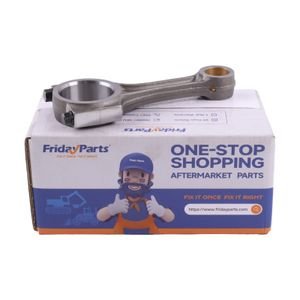
Block & Internal Parts
CONNECTING ROD 119E10-23001 – OVERHAUL GRADE FOR YANMAR 3TNV88/3TNV80
View DetailsNeed a Custom Quote?
Our technical team responds within 24 hours. MOQ 1 piece. Ships to 120+ countries from our Guangzhou warehouse.