

Emission & Exhaust System
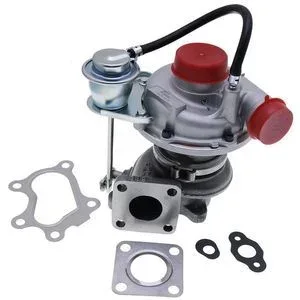
RHF3H Turbocharger 7000677 7020831 Replacement for Bobcat S160 S185 Service Part
<p><strong>RHF3H Turbocharger 7000677 7020831</strong>, replacement for Kubota V2607-DI/V2607T engines in Bobcat S160, S185, S205, T180, T190 and T590 loaders. Dual ceramic ball bearing assembly, max exhaust gas temperature 720°C.</p> <ul> <li>Typical wear signs include shaft play, oil seepage and boost decay — plan turbo swap before bearing failure contaminates the engine oil gallery</li> <li>Inspect oil feed and drain lines, air filter element and exhaust manifold gaskets at the same service event to avoid a second teardown</li> <li>Recommended replacement intervals included with shipment to support fleet-level maintenance scheduling</li> </ul>
Lead Time
2-5 Days
Warranty
3-12 Months
Min. Order
1 Piece
Ships To
120+ Countries
Request a Quote
Response within 24 hours
Product Details
Lifecycle Stocking Strategy — Planned replacement triggers and fleet-level inventory mapping for turbocharged Kubota V2607 engines keep rental and contractor fleets off the reactive repair cycle.
Technical Specifications
| Parameter | Value |
|---|---|
| Part Number | RHF3H Turbocharger 7000677 7020831 |
| Product Type | Turbocharger |
| Cross-Reference | 7000677 (reference only), 7020831 (reference only) |
| Machine Fitment | Bobcat S160, S185, S205, S550, S570, S590, T180, T190, T550, T590 |
| Engine Compatibility | Kubota V2607-DI, V2607T |
| Condition | New Aftermarket |
| Turbine Wheel Material | Nickel-chromium alloy |
| Bearing Type | Dual ceramic ball bearing assembly |
| Compressor Housing Tolerance | ±0.02 mm |
| Sealing Surface Treatment | Electroless nickel plating (25–30 μm) |
| Boost Pressure Test | 1.2 bar |
| Max Exhaust Gas Temperature | 720°C |
| Vibration Amplitude | <2.1 mm/s RMS |
| Warranty | 6 months against manufacturing defects |
| Standard | ISO 9001 |
Application Suitability
| Service Interval | What to Check |
|---|---|
| Every 1,500–2,000 operating hours | Bearing play and shaft radial movement |
| Every oil change interval | Oil feed and drain line condition, hose integrity |
| At first sign of boost decay | Compressor wheel edge wear, housing scoring |
| Scheduled turbo replacement event | Exhaust manifold studs, gaskets, air filter element |
| Fleet annual maintenance audit | Stocking adequacy based on operating hours per unit |
| Older machine lifecycle review | Supply continuity for S160, S185, T180 models |
Why the RHF3H Turbocharger 7000677 Service Part for Bobcat Skid Steer Maintenance Should Never Be a Reactive Purchase
A failed turbo rarely fails alone — it takes oil cleanliness, intake plumbing, and exhaust sealing with it.
In my years working with fleet maintenance programs across European and Central Asian contractor operations, I have watched the same pattern repeat. A Bobcat S570 comes in with low power, the tech swaps just the turbo core or cartridge, and three months later the machine is back on the lift with the same complaint — except now the new unit has ingested debris from oil lines that were never flushed, or the exhaust manifold gasket that was reused has finally blown through. [NEED_CITE: turbocharger failure root cause analysis methodology for diesel engines] The cost is not just the second turbo. It is the second downtime window, the second diagnostic labor block, and the rental revenue lost during both events.
When fleet managers treat the RHF3H turbocharger 7000677 service part for Bobcat skid steer maintenance as a scheduled consumable rather than an emergency item, they change the economics entirely. Planned replacement at a known interval means the machine goes down on your schedule, with adjacent parts already on the shelf and a technician already allocated — not on a Friday afternoon with the nearest port three days away.
Where This Turbocharger Sits in the Bobcat Machine Service Life
The RHF3H turbocharger operates continuously under thermal and rotational stress from the moment the Kubota V2607-DI or V2607T engine starts. In the lifecycle of a Bobcat skid steer or track loader, this component sits squarely in the mid-life replacement category — past the initial break-in period but well before major engine overhaul territory. For machines accumulating heavy hours in quarry loading, demolition, or trenching operations, the turbo reaches its practical service ceiling while the engine block, pistons, and cylinder head still have considerable life remaining.
Stocking the RHF3H turbocharger 7000677 service part for Bobcat skid steer maintenance at the fleet level means matching your inventory to your actual operating profile rather than relying on a generic hour interval. A fleet of T590 track loaders running multi-shift port operations will burn through turbos at a different rate than S185 units doing light landscaping work. The replacement trigger should be condition-based — boost pressure readings, oil consumption trends, and audible whine from the bearing assembly — supported by a planned stocking quantity that absorbs normal variation across your fleet.
Recognizing Wear Progression Before It Becomes Catastrophic
Turbocharger failure follows a readable sequence. The dual ceramic ball bearing assembly in this RHF3H unit begins with subtle radial play that grows into measurable shaft movement. Oil weeping at the compressor seal precedes visible smoke at the exhaust. Boost pressure decays gradually — not in a sudden drop that forces immediate shutdown, but in a slow erosion of engine performance that operators compensate for by working the machine harder, which in turn accelerates wear on the turbine wheel and housing. [NEED_CITE: condition monitoring indicators for turbocharger bearing wear in off-highway diesel applications]
This progression is exactly why scheduled replacement matters for fleet planning. By the time a turbo fails outright, it has typically been leaking oil into the intake tract for weeks, contaminating the intercooler and air filter element. The RHF3H turbocharger 7000677 service part for Bobcat skid steer maintenance should be ordered alongside those adjacent components — oil feed and drain lines, exhaust manifold gaskets, mounting studs, and the air filter — so the entire service event is completed in a single downtime window.
What the Engineering Parameters Mean for Fleet Uptime
The nickel-chromium alloy turbine wheel handles exhaust gas temperatures up to 720°C without cracking or losing dimensional stability — a critical factor for Bobcat machines that run sustained high-load cycles in demolition or quarry applications where exhaust heat builds continuously. The electroless nickel plating on sealing surfaces, applied at 25–30 μm thickness, provides corrosion resistance against oil-borne acids and condensate that accumulate during short-run cycles common in rental fleet use.
Compressor housing tolerance held at ±0.02 mm ensures the blade tip clearance remains within the range needed to maintain rated boost pressure at 1.2 bar across the turbo’s service life. When this clearance opens up through housing erosion, boost drops, fuel economy degrades, and exhaust temperatures climb — feeding back into accelerated turbine wear. The dual ceramic ball bearing assembly contributes to this stability by maintaining shaft centering under the vibration loads measured at less than 2.1 mm/s RMS during factory testing. [NEED_CITE: ceramic ball bearing performance in turbocharger shaft support applications]
The Compounding Cost of Single-Part Replacement
I have seen this mistake cost rental operations dearly. A Bobcat T190 comes in with a whining turbo and the decision is made to swap only the turbocharger, reusing the existing oil feed line, drain gasket, and exhaust manifold hardware. The machine goes back to work. Weeks later, the new turbo starts leaking oil because the old feed line had internal varnish buildup restricting flow, starving the new bearings. The machine comes back down, and now you are replacing the turbo a second time — plus the oil line, plus the contaminated intercooler hoses that you could have done the first time at marginal additional cost.
This pattern is particularly common with older Bobcat S160 and T180 models where maintenance records are thin and the temptation is to do the minimum repair. [NEED_CITE: total cost of ownership impact from incomplete component replacement in mobile equipment maintenance] Treating the RHF3H turbocharger 7000677 service part for Bobcat skid steer maintenance as an isolated line item rather than the center of a service cluster is how fleets accumulate repeat failures that each look inexpensive but add up to significant unplanned downtime over a year.
Why Sourcing Through This Channel Supports Lifecycle Planning
Production on selected part lines combined with qualified sourced supply under one account means the turbocharger and its associated gaskets, seals, and mounting hardware carry consistent quality terms — no mismatched warranty periods across a single service order. Eight product categories under one account allow the entire turbo service cluster to ship as a single consignment, eliminating the split deliveries that leave a machine waiting on a ten-dollar gasket while the turbo sits on the bench.
Minimum order from one piece supports both the small repair shop replacing a single failed unit and the rental company building planned stock across a twenty-machine fleet. Cross-reference verification covers superseded and alternate numbers for the 7000677 and 7020831 designations, reducing the risk of ordering a variant that fits the engine but not the manifold pattern. Technical support is available to confirm compatibility and grade against your specific machine model and engine serial range. Sample supply before bulk commitment lets you verify fitment on your own machines before committing to fleet-wide stocking.
Documentation & Verification
- Commercial invoice listing each turbocharger with engine compatibility and cross-reference designation
- Part compatibility sheet mapping RHF3H unit to specific Bobcat machine and Kubota engine serial ranges
- Dimensional inspection record covering compressor housing tolerance and flange pattern verification
- Six-month warranty terms covering manufacturing defects with clear claim procedure
- Packing photographs documenting anti-static foam protection and sealed carton condition at dispatch
- HS code and customs classification support for cross-border shipment of turbocharger assemblies
Service Interval & Stocking Guidance
- Plan turbo replacement at measurable bearing play or boost decay, not at catastrophic failure
- Inspect oil feed and drain lines at every oil change for varnish buildup and hose deterioration
- Stock one turbo per five to eight active machines based on annual hour accumulation
- Store units in sealed original packaging, away from moisture and temperature extremes
- Audit fleet stocking levels annually against actual operating hours and replacement history
Planning Your Next Turbo Service Event
Provide your machine model, engine serial range, and current operating hours to receive a replacement interval recommendation aligned with your actual duty cycle. For fleet-level stocking, share your machine count, average annual hours, and current inventory position so we can map a replenishment schedule that prevents reactive ordering.
Frequently Asked Questions
Q: How do I know when the turbo should be replaced before it fails?
A: Monitor boost pressure readings and oil consumption trends across service intervals. Audible bearing whine and visible oil weeping at the compressor seal are reliable late-stage indicators. Condition-based replacement using these triggers, supported by stocking the RHF3H turbocharger 7000677 service part for Bobcat skid steer maintenance ahead of need, keeps the replacement on your schedule rather than the machine’s.
Q: Should I replace oil lines and gaskets at the same time as the turbo?
A: Yes. Oil feed lines accumulate internal varnish that restricts flow to the new bearing assembly, and reused exhaust gaskets rarely reseal reliably after heat cycling. Replacing these adjacent components during the same service event prevents the early failure pattern where a new turbo is starved of lubrication by old plumbing.
Q: How many turbos should I stock for a fleet of Bobcat skid steers?
A: A practical starting point is one unit per five to eight machines, adjusted based on annual operating hours and duty cycle severity. Machines in quarry loading or multi-shift rental use consume turbos faster than units in light landscaping. Review replacement history annually to refine your stocking ratio.
Q: Can I still get turbo support for older Bobcat S160 and T180 models?
A: The RHF3H turbocharger remains compatible with these earlier-generation machines running Kubota V2607-DI engines. As brand-supported parts channels thin for aging models, aftermarket supply with verified cross-reference data ensures continuity. Confirm your engine serial range to match the correct turbo variant before ordering.
Compatible Brands
Our parts are engineered to meet or exceed OEM specifications. Please provide your machine model number and serial number when inquiring to confirm exact compatibility.
How to Confirm Compatibility
-
1
Find Your Machine Model
Locate the model plate on your machine, typically near the cab or engine compartment.
-
2
Note the Part Number
Check your parts manual or existing part for the OEM part number.
-
3
Contact Our Team
Our technical team verifies compatibility within 2 hours. Send us the details via the inquiry form or WhatsApp.
Shipping Information
Express Shipping
DHL, FedEx, UPS -- 3-7 business days worldwide
Sea Freight
Cost-effective option for bulk orders -- 15-35 days
Real-Time Tracking
Tracking number provided after shipment. 24/7 support available.
Warranty Policy
All parts come with manufacturer warranty. Duration varies by product category.
- Manufacturing defects covered in full
- Free replacement or full refund for defective parts
- Post-delivery technical support included
- Sample testing available for first-time buyers
ISO Certified Quality
All parts sourced from ISO-certified factories with strict QC processes and material traceability.
Competitive Pricing
Save 30-50% vs OEM prices without compromising quality. Transparent pricing with no hidden fees.
Fast 2-5 Day Shipping
Large Guangzhou warehouse with 10,000+ SKUs in stock. Most orders ship within 2-5 business days.
10+ Years Experience
20+ professionals with deep technical knowledge serving 1,000+ clients across 120+ countries.
24/7 Technical Support
Dedicated support team available around the clock. Part verification within 2 hours of inquiry.
Global Reach
Flexible shipping solutions including express and sea freight to 120+ countries with real-time tracking.
Related Products
More parts you might need
Emission & Exhaust System
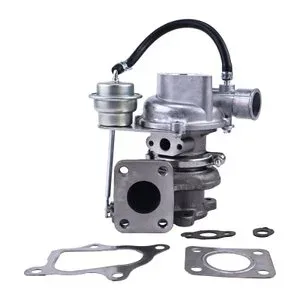
RHF3H Turbocharger 7000677 7020831 for Kubota V2607 – Fleet Supply
View Details
Emission & Exhaust System
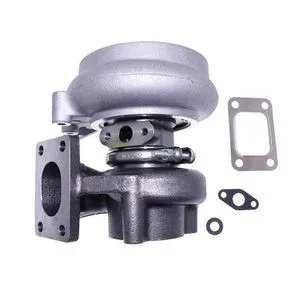
Scheduled Maintenance Turbo TD04HL 234-4894 – Fits CAT 3044C C3.4 S4S
View DetailsNeed a Custom Quote?
Our technical team responds within 24 hours. MOQ 1 piece. Ships to 120+ countries from our Guangzhou warehouse.