
Belt Drive Systems
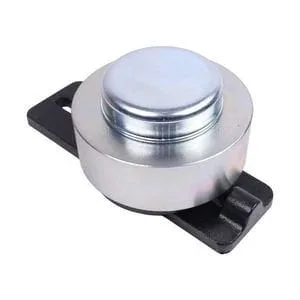
Scheduled Maintenance Belt Tensioner – Fits Bobcat 653 751 753 763
<p><strong>6735884 Belt Tensioner Pulley Assembly</strong> for Bobcat 653, 751, 753, 763, 773, 7753 Skid Steer Loaders — sealed bearing, high-strength steel housing.</p> <ul> <li>Replace alongside the drive belt at scheduled service intervals to prevent slippage, uneven wear, and cascading damage to alternator and hydraulic pump</li> <li>Worn tensioner bearing noise or visible pulley wobble signals time for change before the belt fails on site</li> <li>Keeps older skid steer models in service as factory support narrows</li> </ul> <p>Replacement interval guidance ships with every order to align fleet maintenance planning.</p>
Lead Time
2-5 Days
Warranty
3-12 Months
Min. Order
1 Piece
Ships To
120+ Countries
Request a Quote
Response within 24 hours
Product Details
Fleet Stocking Plans — Bobcat 753 operators running continuous shifts benefit from keeping this tensioner on shelf rather than reacting to belt failure mid-job.
Technical Specifications
| Parameter | Value |
|---|---|
| Part Number | 6735884 |
| Product Type | Belt Tensioner |
| Cross-Reference | 6735884, 6711698 (reference only) |
| Machine Fitment | 653, 751, 753, 763, 773, 7753 Skid Steer Loader |
| Material | High-strength steel housing |
| Bearing Type | Sealed bearing |
| Assembly State | Pulley assembly |
| Condition | New Aftermarket |
| MOQ | 1 piece |
| Warranty | 3-12 months against manufacturing defects |
| Manufacturing Standard | ISO 9001 |
Application Suitability
| Service Interval | What to Check |
|---|---|
| Every belt replacement cycle | Pulley wobble, bearing noise, belt alignment drift |
| 500-hour scheduled service | Tensioner arm spring force, housing cracks near mounting bolt holes |
| Pre-season fleet preparation (agriculture/landscaping) | Belt glazing from prior slippage, uneven wear patterns indicating pulley runout |
| Older 653/751/753 units past OEM thin-support threshold | Full belt drive assembly condition, bracket corrosion, bolt thread wear |
| Rental fleet turnaround between contracts | Complete belt and tensioner swap as standard line item, not condition-based |
Why Scheduled Tensioner Replacement Beats Reactive Purchasing
A Drive Belt Tensioner service part maintenance replacement planned into your service calendar eliminates the machine-down scramble that follows a snapped belt on site.
Most skid steer fleet managers replace belts after they break, overlooking the tensioner that caused the belt to fail prematurely. The tensioner bearing degrades gradually, producing subtle noise and minor belt misalignment long before catastrophic failure [NEED_CITE: skid steer loader preventive maintenance scheduling guidelines for belt drive systems]. When the belt finally snaps under load, the operator is already in a trench or on a grading pass, and the machine sits idle while someone sources the correct part. In my years running fleet support across Indonesian mining and construction sites, I watched Bobcat 753 units go down repeatedly because the tensioner was never on the planned replacement list — only the belt was. The same pulley assembly would destroy the new belt within weeks, triggering another emergency order and another day of lost production.
Where the Tensioner Sits in the Skid Steer Service Life
The belt drive system on Bobcat 653, 751, 753, 763, 773, and 7753 skid steer loaders transmits engine output to the alternator and hydraulic pump. The Drive Belt Tensioner service part maintenance replacement occupies a midpoint in component longevity — it outlasts the belt itself but wears well before the pump or alternator bearings reach end of life. Treating the tensioner as a belt-lifetime companion rather than a separate long-life item keeps the entire drive system synchronized on one replacement interval.
Reading Wear Signs Before the Belt Fails
A failing tensioner announces itself early if you know what to listen and look for. High-pitched chirping at startup that fades after warmup points to a bearing losing its seal and shedding grease. Visible belt flutter at idle RPM indicates the spring arm is losing clamping force. Uneven belt wear — one edge polished while the other shows cracking — traces back to pulley runout from a worn bearing. Catching these symptoms at a scheduled service means swapping the tensioner alongside the belt during a planned teardown rather than diagnosing the root cause after the belt has already separated on a job site [NEED_CITE: belt drive system diagnostic procedures for compact equipment].
How Sealed Bearings and Steel Housing Handle Field Conditions
The high-strength steel housing on this pulley assembly resists deformation under the continuous lateral load imposed by a tensioned drive belt running at engine speed. A stamped or thin-gauge housing would deflect slightly under load, accelerating bearing wear and allowing belt mistracking. The sealed bearing design blocks fine particulate ingress — critical in the dusty environments where skid steer loaders spend most of their operating hours. Agricultural dust, silica from earthmoving, and cement residue from landscaping all penetrate unsealed bearings, converting lubricant into an abrasive paste that scores races and destroys rollers within a fraction of normal service life. The sealed construction extends the interval between inspections and eliminates the need for periodic relubrication that operators consistently skip under production pressure.
The Cumulative Cost of Reactive Belt Drive Purchasing
Fleet operators who buy tensioners only after belt failure accumulate downtime that dwarfs the part cost. Each reactive event involves machine diagnosis, part identification from a faded nameplate or worn number, supplier sourcing, freight wait, and reinstallation — easily consuming a full shift on a busy site. Over several years and multiple machines, these scattered emergency purchases add up to weeks of lost production across the fleet [NEED_CITE: total cost of unplanned downtime in compact construction equipment operations]. Worse, a tensioner that fails suddenly can allow the belt to whip into adjacent hoses or wiring, converting a simple belt-drive repair into a multi-system restoration. Stocking the tensioner and belt together as a planned maintenance pair eliminates both the downtime pattern and the collateral damage risk.
Why Fleet Operators Source This Part Through XUNPO
Own production on selected lines plus qualified sourced supply under one account means your belt drive order carries a single warranty reference regardless of which facility produced the component. Eight product categories ship as one consignment, so tensioners, belts, filters, and seal kits for a full service event leave the Guangzhou warehouse on the same pallet. Minimum order from one piece lets you stock a single tensioner for an aging 751 or scale up to fleet quantities for a mixed-model rental operation. Part identification works from the part number, the machine model alone, or a photograph of the old assembly — useful when nameplates are painted over after years in the field. Cross-reference verification covers both 6735884 and 6711698 (reference only) along with superseded numbers that may appear in older service manuals. Technical team support confirms fitment across the 653 through 7753 range before you commit to fleet-level stocking.
Documentation & Verification
- Commercial invoice and packing list matching each tensioner quantity and cross-reference number
- Belt drive compatibility sheet listing all confirmed Bobcat skid steer model and serial ranges
- Dimensional inspection record covering pulley bore, bearing press-fit, and housing bolt pattern
- Warranty terms document specifying coverage period and manufacturing defect claim process
- Packing photographs showing individual wrapping and carton labeling before dispatch
- HS code and customs documentation formatted for destination country import requirements
Service Interval & Stocking Guidance
- Replace tensioner at every second belt change or at first sign of bearing noise, whichever arrives first
- Inspect pulley runout and arm spring tension during each scheduled service using a straight-edge and feeler gauge
- Stock one tensioner and one belt per machine as baseline inventory; add a second set for units exceeding high annual hours
- Store tensioners in sealed packaging away from moisture to prevent bearing corrosion before installation
- Record replacement dates and machine hours in fleet maintenance logs to refine your site-specific interval over time
Request a Stocking Recommendation
Provide your skid steer model range and approximate annual operating hours per machine to receive a Drive Belt Tensioner service part maintenance replacement schedule tailored to your fleet. Include any current belt failure frequency data so we can benchmark your interval against typical field wear rates. For mixed fleets covering multiple Bobcat models, list each unit so fitment and cross-reference verification are confirmed before stocking.
Frequently Asked Questions
Q: How often should the belt tensioner be replaced on a skid steer loader?
A: Most fleet maintenance programs replace the tensioner at every second belt change or when bearing noise appears during pre-start inspection. Units operating in high-dust environments like mining or agriculture often need tensioner replacement at every belt change due to accelerated bearing degradation from particulate contamination. Track replacement intervals against machine hours to find your site-specific wear pattern.
Q: What symptoms indicate the tensioner is failing before the belt breaks?
A: Early signs include chirping at cold startup, visible belt flutter at idle, and uneven belt wear across its width. A tensioner bearing losing its seal produces a grinding sensation when you spin the pulley by hand with the belt removed. Catching these signs during scheduled service avoids the full machine-down event that follows a belt snap under load.
Q: Should I replace just the tensioner or the whole belt drive assembly?
A: Replace the tensioner and belt together as a matched pair. A new belt on a worn tensioner will degrade prematurely from misalignment and inconsistent clamping force. The bracket and idler are typically longer-life items and only need replacement if inspection reveals cracks or corrosion at mounting points.
Q: How many tensioners and belts should I keep in stock for a mixed fleet?
A: A practical baseline is one tensioner and one belt per machine, plus one additional set for the model that accumulates the highest hours. Rental fleets turning over units between contracts often stock two sets per machine to support immediate turnaround without waiting on parts procurement between rentals.
Q: Can I still get drive system parts for older Bobcat skid steer models?
A: Yes. Models like the 653, 751, and 753 remain widely supported in the aftermarket even as brand-level parts availability thins over time. Cross-reference numbers 6735884 and 6711698 (reference only) cover multiple production generations, and fitment can be confirmed from machine model and serial number rather than relying on discontinued OEM catalogs.
Compatible Brands
Our parts are engineered to meet or exceed OEM specifications. Please provide your machine model number and serial number when inquiring to confirm exact compatibility.
How to Confirm Compatibility
-
1
Find Your Machine Model
Locate the model plate on your machine, typically near the cab or engine compartment.
-
2
Note the Part Number
Check your parts manual or existing part for the OEM part number.
-
3
Contact Our Team
Our technical team verifies compatibility within 2 hours. Send us the details via the inquiry form or WhatsApp.
Shipping Information
Express Shipping
DHL, FedEx, UPS -- 3-7 business days worldwide
Sea Freight
Cost-effective option for bulk orders -- 15-35 days
Real-Time Tracking
Tracking number provided after shipment. 24/7 support available.
Warranty Policy
All parts come with manufacturer warranty. Duration varies by product category.
- Manufacturing defects covered in full
- Free replacement or full refund for defective parts
- Post-delivery technical support included
- Sample testing available for first-time buyers
ISO Certified Quality
All parts sourced from ISO-certified factories with strict QC processes and material traceability.
Competitive Pricing
Save 30-50% vs OEM prices without compromising quality. Transparent pricing with no hidden fees.
Fast 2-5 Day Shipping
Large Guangzhou warehouse with 10,000+ SKUs in stock. Most orders ship within 2-5 business days.
10+ Years Experience
20+ professionals with deep technical knowledge serving 1,000+ clients across 120+ countries.
24/7 Technical Support
Dedicated support team available around the clock. Part verification within 2 hours of inquiry.
Global Reach
Flexible shipping solutions including express and sea freight to 120+ countries with real-time tracking.
Related Products
More parts you might need

Need a Custom Quote?
Our technical team responds within 24 hours. MOQ 1 piece. Ships to 120+ countries from our Guangzhou warehouse.