
Engine Auxiliary Components
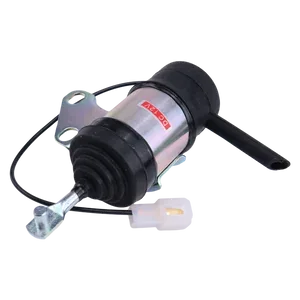
Scheduled Maintenance Fuel Stop Solenoid – Fits Kubota Tractor Fleet
<p><strong>16851-60014 Stop Solenoid, 12V DC, Class H Insulation</strong> — replacement for Kubota BX, GR, GF, and G series compact tractors. This fuel shutdown solenoid shows predictable wear signs like delayed engine cutoff or rough idle before complete failure, making it ideal to stock ahead of scheduled service windows. Fleet operators benefit from keeping units on hand alongside filters and belts to avoid unplanned downtime during high-cycle operations.</p> <ul> <li>Fits Kubota models including B7410D, BX1800D, BX2350D, GR2120, and 20+ additional variants</li> <li>Cross-reference interchange: 16851-60014, 052600-4530, 16851-60010, 16851-60015</li> <li>Stainless steel plunger rod with SAE J1926 sealing rated to 4 bar</li> <li>Replacement cycle guidance included with shipment for maintenance planning</li> </ul>
Lead Time
2-5 Days
Warranty
3-12 Months
Min. Order
1 Piece
Ships To
120+ Countries
Request a Quote
Response within 24 hours
Product Details
Fleet Stocking Plan — Kubota BX and GR series stop solenoids held for scheduled service windows, keeping replacement cycles predictable across your tractor fleet.
Technical Specifications
| Parameter | Value |
|---|---|
| Part Number | 16851-60014 |
| Product Type | Stop Solenoid |
| Cross-Reference | 16851-60014, 052600-4530, 052600-4531, 16851-60010, 16851-60012, 16851-60013, 16851-60015 (reference only) |
| Machine Fitment | Kubota B7410D, BX1500D, BX1800D, BX1830D, BX1850D, BX1860, BX2230D, BX2350D, BX2360, BX24D, BX25, G1700, G1800, G1800-S, G1900, G1900-S, G2160, G2160AU, G2160-DS, GF1800, GF1800E, GR2100, GR2110, GR2120, GR2120B, T1600H, T1600H-EUROPE, T1600H-G, TG1860 |
| Voltage | 12V DC |
| Insulation Class | Class H (rated to 180°C) |
| Plunger Rod Material | Stainless Steel |
| Winding Material | Copper |
| Seal Standard | SAE J1926 |
| Max Sealing Pressure | 4 bar |
| Condition | New Aftermarket |
| Warranty | 6 months against manufacturing defects |
| Standards | ISO 9001, SAE J1926 |
Application Suitability
| Service Interval | What to Check |
|---|---|
| Annual or pre-season service | Solenoid coil resistance, plunger rod travel, and wiring harness condition |
| 500-hour electrical inspection | Insulation integrity, terminal corrosion, and engagement response time |
| Rental turnaround between deployments | Full fuel shutoff cycle test and adjacent fuel line seal condition |
| Older model support phase | Cross-reference verification against superseded OEM numbers for aging fleet |
Why Fleet Operators Discover Stop Solenoid Failure Too Late
A stalled tractor mid-operation turns a routine parts swap into a cascading schedule delay.
Most fleet managers first notice a failing fuel stop solenoid when the engine refuses to shut down cleanly or, worse, cuts out during a critical task. In agricultural and quarry support fleets, that single component failure can idle a machine for days while the part is sourced reactively. The cost is rarely the solenoid itself — it is the lost operating window during peak harvest or an interrupted grading cycle [NEED_CITE: fleet equipment unplanned downtime cost factors].
Having managed aftermarket parts supply for mining and agricultural fleets across West and East Africa, I have watched operators treat stop solenoids as throwaway items rather than planned maintenance components. The result is predictable: repeated failures, compounding downtime, and a parts budget that never stabilizes. A 12V fuel stop solenoid maintenance part for Kubota tractors belongs on the shelf before the season starts, not on an emergency order form after the machine goes quiet.
Where the Stop Solenoid Sits in Your Fleet’s Service Calendar
Stop solenoids occupy a specific position in the maintenance hierarchy: they are not high-frequency consumables like filters, but they are not lifetime components either. For Kubota BX, GR, and GF series tractors operating in high-cycle environments — rental fleets, municipal grounds care, or seasonal agricultural work — the solenoid’s copper winding and plunger rod endure thousands of thermal cycles between service intervals. Positioning this replacement within your planned maintenance window, alongside belt inspections and fuel system checks, prevents the reactive procurement pattern that disrupts fleet availability.
Thermal Cycling, Insulation Breakdown, and the Failure Pattern That Repeats
The failure mechanism follows a recognizable progression. Class H insulation, rated to 180°C, degrades gradually under sustained heat exposure from the engine bay. As insulation thins, coil resistance shifts, and the solenoid begins to respond sluggishly — you may notice delayed engine shutdown or intermittent starting hesitation before total failure occurs [NEED_CITE: electromagnetic coil insulation degradation in mobile equipment]. The stainless steel plunger rod can also develop surface galling where it contacts the fuel passage bore, particularly if fuel contamination introduces abrasive particulates. Replacing the solenoid without inspecting the broader fuel system often means the next unit fails at the same location within months. I have seen this exact pattern on a Kubota utility tractor in Nigeria where the wiring harness was delivering inconsistent voltage, burning out successive solenoid coils while the root cause went unaddressed.
Reading the Specifications That Matter in the Field
Voltage rating and insulation class define the operating envelope for this 12V fuel stop solenoid maintenance part for Kubota tractors. The 12V DC specification matches the electrical architecture across the compatible Kubota range, but actual system voltage at the solenoid terminals can fluctuate if the alternator or wiring harness is degraded — a condition that accelerates coil burnout. Class H insulation provides thermal headroom in engine compartments where ambient temperatures regularly exceed 80°C during sustained operation. The SAE J1926 seal standard governs the fuel passage interface, ensuring the solenoid body maintains a reliable seal at up to 4 bar system pressure without weeping under vibration. Copper winding material offers consistent conductivity, while the stainless steel plunger rod resists corrosion from diesel fuel exposure over extended service periods.
The Cost of Treating a Planned Part as an Emergency Purchase
Reactively sourcing a stop solenoid after the tractor has already stalled introduces delays that compound across the fleet schedule. A machine down in the field waits for part identification, availability confirmation, and transit — each step adding idle hours that could have been avoided with shelf stock. When the same component fails repeatedly because adjacent fuel system issues were never addressed, the fleet accumulates a pattern of short-interval repairs that consumes technician time and erodes confidence in the maintenance program [NEED_CITE: preventive versus reactive maintenance cost impact in equipment fleets]. Planning this 12V fuel stop solenoid maintenance part for Kubota tractors into scheduled service intervals eliminates the surprise factor entirely.
What This Supply Arrangement Covers
Production on selected lines and qualified sourced supply sit under one account with the same warranty terms, so fleet operators do not need to track different quality standards across component categories. Eight product categories mean the stop solenoid ships in the same consignment as fuel filters, seal kits, and electrical connectors for a complete service job. Minimum order from one piece allows small fleets to stock precisely what they need without excess inventory. Cross-reference verification covers superseded numbers across Kubota model generations, confirming fitment before the order is placed. Sample supply is available for fitment confirmation before committing to bulk fleet quantities.
Documentation & Verification
- Commercial invoice listing solenoid part number, batch, and applicable Kubota machine models
- Cross-reference sheet mapping OEM numbers (reference only) to aftermarket equivalents
- Quality inspection record covering coil resistance and pull-in voltage test results
- Warranty terms document specifying coverage period and manufacturing defect conditions
- Packing photographs confirming solenoid condition and protective packaging before dispatch
- HS code and customs documentation support for cross-border fleet supply
Service Interval & Stocking Guidance
- Schedule solenoid inspection at each annual service or 500-hour electrical check interval
- Look for hard starting, rough idle, or delayed shutdown as early wear indicators
- Stock one spare solenoid per five tractors in high-cycle rental or agricultural fleets
- Store spare units in sealed packaging away from moisture and direct heat sources
- Verify wiring harness voltage stability when installing to prevent repeat coil burnout
Planning Your Next Fleet Service Order
Provide your Kubota tractor model list, current operating hours, and any superseded part numbers from your service manuals. This information allows the technical team to confirm solenoid variant fitment across your fleet and recommend stocking quantities aligned with your service calendar and machine usage patterns.
Frequently Asked Questions
Q: What are the warning signs that a fuel stop solenoid is nearing end of service life?
A: Early indicators include delayed engine shutdown after turning the key, intermittent starting hesitation, and rough idle that worsens as the engine reaches operating temperature. These symptoms suggest coil insulation degradation or plunger rod surface wear. Catching them during a scheduled inspection avoids the complete failure that strands a machine in the field.
Q: Should I replace just the solenoid or inspect the broader fuel system at the same time?
A: Always inspect adjacent fuel lines, seals, and the wiring harness when replacing a stop solenoid. Inconsistent voltage from degraded wiring is a common root cause of repeat coil burnout. Addressing only the solenoid without checking the circuit that powers it often leads to premature failure of the replacement unit.
Q: How many spare solenoids should a fleet of Kubota tractors keep on the shelf?
A: A practical starting point is one spare unit for every five tractors in active rotation, adjusted upward for machines in high-cycle rental or harvest operations where downtime tolerance is low. Review consumption after two service cycles and adjust stocking levels based on actual replacement frequency across your fleet.
Q: Does this solenoid fit older Kubota models that the dealer no longer supports?
A: The cross-reference list includes superseded OEM numbers covering earlier Kubota BX, GR, and G series generations. Verify your specific machine model and serial range against the fitment table before ordering. Sample units can be supplied for physical fitment confirmation on machines where documentation is incomplete.
Q: What is the recommended inspection interval for electrical solenoids in high-cycle tractor operations?
A: Include solenoid condition checks within your standard 500-hour or annual electrical system inspection. Test coil resistance, verify plunger rod travel, and confirm terminal connections are clean and secure. For rental fleets with rapid turnaround cycles, a functional shutoff test at each deployment change provides an additional layer of confidence.
Compatible Brands
Our parts are engineered to meet or exceed OEM specifications. Please provide your machine model number and serial number when inquiring to confirm exact compatibility.
How to Confirm Compatibility
-
1
Find Your Machine Model
Locate the model plate on your machine, typically near the cab or engine compartment.
-
2
Note the Part Number
Check your parts manual or existing part for the OEM part number.
-
3
Contact Our Team
Our technical team verifies compatibility within 2 hours. Send us the details via the inquiry form or WhatsApp.
Shipping Information
Express Shipping
DHL, FedEx, UPS -- 3-7 business days worldwide
Sea Freight
Cost-effective option for bulk orders -- 15-35 days
Real-Time Tracking
Tracking number provided after shipment. 24/7 support available.
Warranty Policy
All parts come with manufacturer warranty. Duration varies by product category.
- Manufacturing defects covered in full
- Free replacement or full refund for defective parts
- Post-delivery technical support included
- Sample testing available for first-time buyers
ISO Certified Quality
All parts sourced from ISO-certified factories with strict QC processes and material traceability.
Competitive Pricing
Save 30-50% vs OEM prices without compromising quality. Transparent pricing with no hidden fees.
Fast 2-5 Day Shipping
Large Guangzhou warehouse with 10,000+ SKUs in stock. Most orders ship within 2-5 business days.
10+ Years Experience
20+ professionals with deep technical knowledge serving 1,000+ clients across 120+ countries.
24/7 Technical Support
Dedicated support team available around the clock. Part verification within 2 hours of inquiry.
Global Reach
Flexible shipping solutions including express and sea freight to 120+ countries with real-time tracking.
Related Products
More parts you might need

Engine Auxiliary Components
4 PCS Glow Plug 185366190 TPN257 for Perkins 404D-22 – Fast Cold-Start Replacement
View Details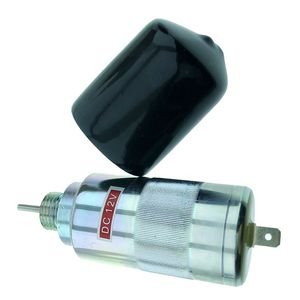
Engine Auxiliary Components
12V Stop Solenoid SBA185206083 for Shibaura – Scheduled Maintenance
View Details
Need a Custom Quote?
Our technical team responds within 24 hours. MOQ 1 piece. Ships to 120+ countries from our Guangzhou warehouse.