
Emission & Exhaust System
Emission & Exhaust System
ISO Certified
Ships 2-5 Days
MOQ 1 Piece
Emission & Exhaust System
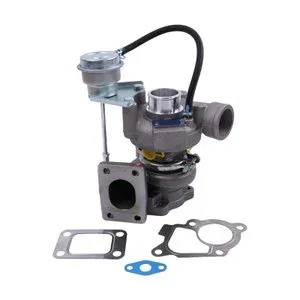
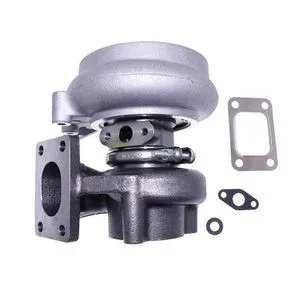
Scheduled Maintenance Turbo TD04HL 234-4894 – Fits CAT 3044C C3.4 S4S
<p><strong>TD04HL Turbocharger 234-4894</strong> — compatible with CAT 3044C, C3.4, and Mitsubishi S4S engine platforms.</p> <ul> <li>Plan turbo replacement at scheduled service intervals to protect lubrication and intake systems from metal contamination after bearing wear</li> <li>Inspect oil feed lines, air filters, and exhaust manifold gaskets during the turbo service window</li> <li>Stock critical references based on fleet engine hours and predicted failure cycles</li> </ul> <p>Replacement interval guidance included with shipment for fleet maintenance planning.</p>
Lead Time
2-5 Days
Warranty
3-12 Months
Min. Order
1 Piece
Ships To
120+ Countries
234-4894
CAT Compatible
Emission System
Service Part
TD04HL turbocharger
turbocharger
Request a Quote
Response within 24 hours
Prefer instant chat?
WhatsApp
Product Details
Fleet Stocking Support — TD04HL turbocharger replacements available for mixed-age CAT and Mitsubishi engine fleets with planned maintenance cycles.
Technical Specifications
| Parameter | Value |
|---|---|
| Product Type | Turbocharger |
| Cross-Reference | 234-4894, 235-4964, 14-9972, 49189-02711, 49189-02720 (reference only) |
| Machine Fitment | Caterpillar CAT 3044C, C3.4; Mitsubishi S4S, 4D31T, A47GT engines |
| Turbo Model | TD04HL |
| Compressor Wheel Type | Radial inflow |
| Turbine Housing Material | Cast iron alloy |
| Bearing Type | Journal bearing with floating bushing |
| Cooling Method | Oil-cooled |
| Lubrication Supply | Engine oil feed line |
| Wastegate | Internal |
Application Suitability
| Service Interval | What to Check |
|---|---|
| Every 2,000 hours | Shaft play, boost pressure drop, oil seepage at seals |
| Every 4,000 hours | Compressor wheel edge condition, turbine housing erosion |
| Top-end overhaul | Oil feed line restriction, intake filter condition, exhaust manifold gasket integrity |
| Fleet rotation planning | Stock one unit per 8–10 active machines running similar duty cycles |
| Machine redeployment | Turbo response under load before certifying rental-ready status |
Why Reactively Buying Turbos Costs More Than the Part Itself
A turbocharger that fails without warning has usually been sending metal into the oil system for weeks.
Across mining and earthmoving fleets, I have watched TD04HL turbocharger replacements ordered after catastrophic bearing seizure. By the time the unit is pulled, the oil feed line is packed with carbon and the drain is partially blocked. The new turbo goes in, starves for lubrication within hours, and the machine is down again. Planning a TD04HL turbocharger service part swap at a predictable service window avoids this cascade [NEED_CITE: turbocharger lubrication system failure modes in diesel engines]. The cost is never just the turbo — it is the second teardown, the contaminated oil cooler flush, and the lost production days stacking up behind a single reactive decision.
Where the Turbo Sits in Your Engine’s Service Lifecycle
The TD04HL turbocharger is not a lifetime component. It is a wear item whose service life tracks with engine hours, oil condition, and intake air quality. In a well-maintained CAT 3044C or Mitsubishi S4S engine, the turbocharger typically requires inspection or replacement during the second or third top-end service window. Catching it at that point means the rest of the engine is already opened, the oil system is being flushed, and the swap adds minimal labor on top of work already scheduled.
Reading the Warning Signs Before the Machine Goes Down
Boost pressure that slowly drops over several hundred hours is the earliest reliable indicator. Exhaust gas temperature rising at the same throttle position is the second. Oil mist at the compressor outlet or a whine that changes pitch under load means journal bearing clearance has opened beyond tolerance. By the time shaft play is detectable by hand, the turbine wheel has likely been contacting the housing. Replacing the TD04HL turbocharger service part at the first measurable boost loss preserves the oil cooler, the engine bearings, and the downstream exhaust components [NEED_CITE: diesel engine exhaust gas temperature monitoring practices].
What the Specifications Mean in the Field
The TD04HL platform uses a journal bearing with a floating bushing design, which depends entirely on clean oil at correct pressure to maintain the hydrodynamic film. When oil carbon builds up in the feed line, that film collapses and metal-to-metal contact begins within seconds of startup. The cast iron turbine housing handles sustained thermal loading from exhaust gases but will erode over thousands of hours, gradually reducing turbine efficiency. The internal wastegate controls peak boost — if the wastegate actuator weakens, the engine runs overboost without throwing an obvious fault code, masking the problem until piston ring land damage appears.
The Hidden Bill from Skipping the Assembly Swap
I have seen fleet maintenance teams in Central Asia replace only the turbo cartridge on a TD04HL, leaving the original turbine housing and compressor housing in place. Three months later, the same machine came back with a cracked turbine housing that had been eroding for years. The new cartridge was forced to operate against an unbalanced flow path, accelerating bearing wear. Reactionary purchasing of this TD04HL turbocharger service part without evaluating the full assembly condition leads to repeat failures that the maintenance log never connects to the original shortcut [NEED_CITE: turbocharger assembly versus cartridge replacement field outcomes]. The cumulative unplanned downtime across a fleet running identical duty cycles can overtake the perceived savings of a partial repair within a single operating season.
What We Bring to Your Maintenance Planning
Our own production lines and qualified sourced supply carry the same quality control and warranty terms, so your fleet gets consistent units whether the batch comes from our facility or a vetted partner. Eight product categories under one account mean the turbo, the exhaust manifold gaskets, the oil feed lines, and the intake filters all ship on one consignment. Orders start from one piece for emergency coverage, and Guangzhou warehouse stock supports faster dispatch on common references. Send us a machine model, engine serial, or a photograph of the nameplate and our technical team confirms the correct TD04HL sub-model before you commit to bulk quantities.
Documentation & Verification
- Commercial invoice listing TD04HL references and engine compatibility
- Cross-reference sheet mapping 234-4894 and alternate numbers for identification
- Dimensional inspection record on turbine housing and shaft runout
- Warranty terms aligned with planned maintenance cycle commitments
- Packing photographs of each turbo unit before crate closure
- HS code and customs documentation for cross-border fleet supply
Service Interval & Stocking Guidance
- Inspect TD04HL shaft play and boost output at every 2,000-hour service window
- Check oil feed line flow rate and carbon buildup before each turbo installation
- Stock one TD04HL unit per eight to ten machines on similar duty cycles
- Store units in sealed packaging with desiccant to prevent bearing corrosion
- Align turbo replacement timing with scheduled top-end or overhaul intervals
- Track replacement history by engine serial to refine fleet stocking quantities
Before You Request a Quote
Provide the engine model, serial number, and approximate operating hours so we can confirm the correct TD04HL variant and advise on replacement timing. If you are planning fleet-level stocking, share the number of machines and their duty cycle profile so we can recommend appropriate buffer quantities. Photographs of the existing turbo nameplate or the engine data plate help us verify cross-reference compatibility before we quote.
Frequently Asked Questions
Q: At what engine hour intervals should the TD04HL turbocharger be inspected or replaced?
A: Inspect for shaft play, boost pressure, and oil seepage every 2,000 hours. Most TD04HL units on CAT 3044C and Mitsubishi S4S engines warrant replacement during the second or third top-end service window. Aligning the turbo swap with scheduled engine work avoids separate teardowns and reduces overall fleet downtime.
Q: What symptoms indicate the turbo is approaching end of service life?
A: Gradual boost pressure loss, rising exhaust gas temperature at normal throttle, oil mist at the compressor outlet, and changing whine pitch under load all signal advancing journal bearing wear. Detectable shaft play by hand means the turbine wheel has already contacted the housing and immediate TD04HL turbocharger replacement is necessary.
Q: Should I replace just the turbo or also service the oil feed lines and intake system?
A: Always inspect and flush oil feed and drain lines during turbo replacement. Carbon blockage in the feed line is a leading cause of repeat TD04HL failures. Intake filters and exhaust manifold gaskets should also be evaluated, as these adjacent components affect turbo longevity and are already accessible during the service window.
Q: How many units should I stock for a fleet running similar duty cycles?
A: A practical starting point is one TD04HL turbocharger service part for every eight to ten machines on comparable duty cycles. Adjust based on your actual replacement history by engine serial. We can help refine quantities once we review your fleet composition and operating hour profiles.
Q: Can I still get supply support for older CAT 3044C or Mitsubishi S4S engine platforms?
A: Yes. We maintain cross-reference coverage for TD04HL references including 234-4894, 235-4964, and Mitsubishi variants to support aging fleets. Send the engine serial or a nameplate photograph and our technical team will confirm the correct sub-model, even for machines where brand support has thinned.
Compatible Brands
CAT
KOMATSU
HITACHI
VOLVO
HYUNDAI
DOOSAN
KOBELCO
SANY
XCMG
Our parts are engineered to meet or exceed OEM specifications. Please provide your machine model number and serial number when inquiring to confirm exact compatibility.
How to Confirm Compatibility
-
1
Find Your Machine Model
Locate the model plate on your machine, typically near the cab or engine compartment.
-
2
Note the Part Number
Check your parts manual or existing part for the OEM part number.
-
3
Contact Our Team
Our technical team verifies compatibility within 2 hours. Send us the details via the inquiry form or WhatsApp.
Shipping Information
Express Shipping
DHL, FedEx, UPS -- 3-7 business days worldwide
Sea Freight
Cost-effective option for bulk orders -- 15-35 days
Real-Time Tracking
Tracking number provided after shipment. 24/7 support available.
Warranty Policy
3-12
Months Warranty
All parts come with manufacturer warranty. Duration varies by product category.
- Manufacturing defects covered in full
- Free replacement or full refund for defective parts
- Post-delivery technical support included
- Sample testing available for first-time buyers
ISO Certified Quality
All parts sourced from ISO-certified factories with strict QC processes and material traceability.
Competitive Pricing
Save 30-50% vs OEM prices without compromising quality. Transparent pricing with no hidden fees.
Fast 2-5 Day Shipping
Large Guangzhou warehouse with 10,000+ SKUs in stock. Most orders ship within 2-5 business days.
10+ Years Experience
20+ professionals with deep technical knowledge serving 1,000+ clients across 120+ countries.
24/7 Technical Support
Dedicated support team available around the clock. Part verification within 2 hours of inquiry.
Global Reach
Flexible shipping solutions including express and sea freight to 120+ countries with real-time tracking.
Related Products
More parts you might need
Emission & Exhaust System
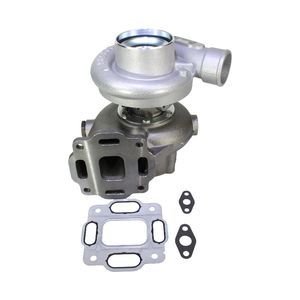
HX40 Turbocharger for Cummins 6BTA 5.9 – Direct Replacement with OEM Fit
View Details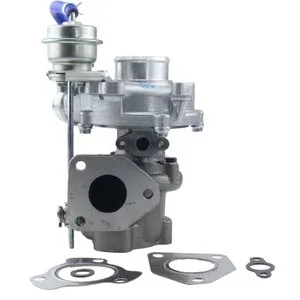
Emission & Exhaust System
Turbocharger 7256748 | Overhaul Grade for Bobcat S740 S770 T770
View Details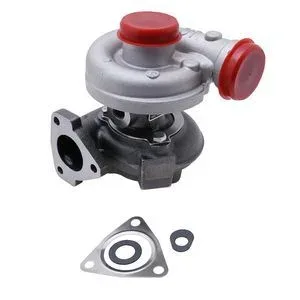
Emission & Exhaust System
Turbocharger 6690633 for Deutz BF4M2011 & Bobcat Skid Steer – Fleet Supply
View DetailsNeed a Custom Quote?
Our technical team responds within 24 hours. MOQ 1 piece. Ships to 120+ countries from our Guangzhou warehouse.