
Emission & Exhaust System

Emission & Exhaust System
ISO Certified
Ships 2-5 Days
MOQ 1 Piece
Emission & Exhaust System
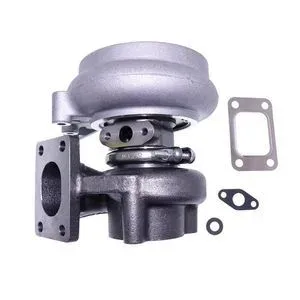
Turbo S300A113 Turbocharger 631GC5172M5 for Mack CV713 – Scheduled Maintenance
<p><strong>631GC5172M5 Turbocharger S300A113, New Aftermarket</strong> — replacement for Mack CV713 trucks equipped with E7 and AI427 engines.</p> <ul> <li>Typical replacement timing aligns with turbine wheel thermal fatigue, bearing wear, or compressor housing erosion signs detected during scheduled service intervals</li> <li>Single-component swap or full assembly exchange depends on rotor balance condition and downstream EGR/intercooler health</li> </ul> <p>Older CV713 fleets continue to receive consistent supply as legacy engine platform support remains active.</p>
Lead Time
2-5 Days
Warranty
3-12 Months
Min. Order
1 Piece
Ships To
120+ Countries
631GC5172M5
Emission System
Fleet Supply
For Mack
Mack CV713 Parts
S300A113 turbo
turbocharger
Request a Quote
Response within 24 hours
Prefer instant chat?
WhatsApp
Product Details
Lifecycle Stocking Plan — Turbocharger service intervals and preventive replacement schedules for aging Mack CV713 fleets keep heavy trucks in rotation without reactive downtime.
Technical Specifications
| Parameter | Value |
|---|---|
| Part Number | 631GC5172M5 |
| Product Type | Turbocharger |
| Cross-Reference | 631GC5172M5 (for identification purposes) |
| Machine Fitment | CV713 Truck |
| Turbo Model | S300A113 |
| Condition | New Aftermarket |
| Warranty | 3-12 months against manufacturing defects |
| Quality Standard | ISO 9001 |
| Applications | Long-haul trucking, construction logistics, heavy-duty transport |
Application Suitability
| Service Interval | What to Check |
|---|---|
| Scheduled Turbo Replacement | Turbine wheel thermal fatigue, bearing wear, compressor housing erosion |
| Fleet Preventive Maintenance | Intercooler soot buildup, EGR valve stress, exhaust gas temperature trends |
| Legacy Platform Stocking | E7 and AI427 engine serial variants, turbo configuration match |
| Rental Fleet Turnaround | Intake and exhaust tract condition, boost pressure consistency under load |
Planning Turbo Service Before the Truck Fails on the Road
Fleet operators who wait for a Mack CV713 turbocharger to fail absorb far more cost than the component itself — towing, missed delivery windows, and cascading damage to downstream engine systems all compound the loss. Scheduling the turbocharger maintenance part for Mack CV713 into fleet service intervals prevents the most expensive kind of downtime: the unplanned kind.
In Shandong, where Mack heavy trucks work construction logistics routes year-round, I have watched operators single-replace turbo units on E7 engines only to see the same truck back in the bay within months. The failure was never just the turbo. Adjacent piping had aged, seals had hardened, and the replacement unit inherited stress from a degraded intake tract [NEED_CITE: heavy-duty diesel turbocharger lifecycle maintenance practices]. The truck went down again because the maintenance plan addressed one component instead of the system it operates within.
Where the Turbo Sits in the CV713 Service Life
The S300A113 turbocharger operates at the center of the Mack CV713 power delivery chain. On E7 and AI427 engines, this unit manages boost pressure that directly affects combustion efficiency, exhaust temperatures, and fuel consumption across the fleet. Treating it as a wear item with a predictable service window — rather than a run-to-failure component — shifts maintenance from reactive to planned, which is where fleet uptime actually comes from.
Wear Progression Signals That Tell You When to Act
Turbine wheel thermal fatigue accumulates over sustained high-load operation, typical of long-haul and construction logistics duty cycles. Bearing wear introduces shaft play that degrades boost consistency before outright failure occurs. Compressor housing erosion reduces airflow efficiency incrementally, meaning the engine works harder while delivering less — a condition that rarely triggers a fault code but steadily increases operating cost [NEED_CITE: turbocharger bearing wear diagnostics for heavy-duty diesel engines]. When these signals appear across multiple trucks in a fleet, the maintenance plan should shift from single-unit replacement to batch servicing at the next scheduled interval.
Reading the Specifications That Matter for Fleet Planning
The S300A113 turbo model designation determines rotor geometry, bearing specification, and compressor map — all of which must match the engine build variant. An E7 engine and an AI427 engine may share the CV713 chassis, but their turbo configurations differ in ways that affect fitment and performance. The new aftermarket condition means the unit ships with fresh bearing surfaces and balanced rotating assembly, avoiding the unknowns inherent in reconditioned cores. ISO 9001 manufacturing oversight ensures dimensional consistency across production batches, which matters when stocking for a mixed fleet where multiple trucks will receive turbos from the same order [NEED_CITE: ISO 9001 quality management requirements for automotive aftermarket components]. The 3-12 month warranty window against manufacturing defects provides coverage through the initial break-in and early service period.
The Cumulative Cost of Reactive Turbo Procurement
I once worked with a CV713 owner who replaced a failed turbo with a single unit and sent the truck back to work. The aged intake hoses and degraded exhaust manifold gaskets were left in place. Within a season, boost leaks from the surrounding connections forced the new turbo to compensate, accelerating its own wear. The truck returned to the shop — not because the turbo was defective, but because the maintenance decision addressed the symptom rather than the system [NEED_CITE: diesel engine intake system degradation patterns in fleet service]. Across a fleet, this pattern multiplies: each reactive repair carries a hidden cost in repeat labor, compound freight, and vehicle days out of revenue service.
Why This Supply Approach Works for Fleet Operators
Our own production lines and qualified sourced supply operate under one account with one warranty structure, so fleet stocking orders stay consolidated. Eight product categories mean the turbo, its gaskets, intake seals, and exhaust hardware can ship in a single consignment rather than arriving from separate vendors on mismatched timelines. Orders start from one piece for emergency coverage, but fleet-level quantities are supported with consistent batch quality. Part identification works from a turbo model number, a machine model, or even a photograph of a worn nameplate — useful when CV713 units have been repainted or worked in abrasive environments. Cross-reference verification covers superseded part numbers that legacy Mack platforms accumulate over their service life [NEED_CITE: aftermarket cross-reference accuracy standards for legacy engine platforms]. Technical support is available to confirm whether a specific engine serial requires the E7 or AI427 turbo configuration before an order is placed.
Documentation & Verification
- Commercial invoice and packing list itemize each turbo unit with engine variant notation
- Compatibility and cross-reference sheet marks OEM numbers as reference only
- Quality inspection record confirms rotor balance and bearing clearance before dispatch
- Warranty terms specify coverage period and manufacturing defect scope
- Packing photographs document unit condition and protective packaging at point of shipment
- HS code and customs documentation support provided for international fleet supply
Service Interval & Stocking Guidance
- Plan turbo replacement at intervals aligned with fleet engine overhaul schedules and boost pressure trend data
- Inspect intake hoses, exhaust manifold gaskets, and intercooler connections during every turbo service event
- Stock one turbo per ten fleet units as emergency coverage; increase ratio for older CV713 trucks past peak OEM support
- Store units in original packaging in dry conditions to protect bearing surfaces and compressor wheel finish
- Tag stocked turbos with engine variant (E7 or AI427) to prevent installation mismatches during high-tempo maintenance windows
Requesting a Fleet Maintenance Quote
Provide your CV713 truck count, engine build variants (E7 or AI427), and current operating hours per unit. We will map turbo replacement timing against your existing service intervals and recommend stocking quantities that balance readiness against inventory carrying cost.
Frequently Asked Questions
Q: What operating hours or mileage typically signal turbo replacement on the Mack E7?
A: Turbo service intervals on the E7 depend heavily on duty cycle — long-haul trucks accumulate heat cycles differently than construction logistics units running stop-start routes. Rather than a fixed hour threshold, fleet maintenance records showing declining boost pressure or rising exhaust gas temperatures across multiple trucks indicate the replacement window is approaching. Planning at this stage avoids reactive failure.
Q: Should I replace just the turbo or the full intake and exhaust service kit at the same interval?
A: Replacing the turbo alone while leaving aged intake hoses, exhaust gaskets, and intercooler connections in place transfers stress to the new unit and shortens its effective service life. Scheduling a turbocharger maintenance part for Mack CV713 alongside its supporting seals and hardware reduces repeat labor and keeps the truck out of the bay longer after each service event.
Q: How does turbo wear on the AI427 differ from the E7 in maintenance planning?
A: The AI427 operates under different boost and thermal profiles than the E7, which affects turbine wheel fatigue accumulation and bearing wear rates. Engine serial verification is essential before ordering, because turbo configurations between these two builds are not interchangeable despite sharing the CV713 platform. Confirming the variant prevents stocking the wrong unit.
Q: What stocking level makes sense for a mixed Mack fleet running CV713 trucks?
A: A practical starting point is one spare turbo for every ten active CV713 units, adjusted upward for trucks with higher operating hours or those operating past mainstream OEM parts availability. Fleet size, route intensity, and turnaround expectations all influence the final stocking decision.
Q: Will aftermarket support continue as the CV713 platform ages out of mainstream production?
A: Legacy Mack engine platforms like the E7 and AI427 remain in active fleet service well past their original production windows. Aftermarket supply for the S300A113 turbocharger continues through established manufacturing channels, supporting fleet operators who plan lifecycle maintenance rather than depending on diminishing OEM availability.
Compatible Brands
CAT
KOMATSU
HITACHI
VOLVO
HYUNDAI
DOOSAN
KOBELCO
SANY
XCMG
Our parts are engineered to meet or exceed OEM specifications. Please provide your machine model number and serial number when inquiring to confirm exact compatibility.
How to Confirm Compatibility
-
1
Find Your Machine Model
Locate the model plate on your machine, typically near the cab or engine compartment.
-
2
Note the Part Number
Check your parts manual or existing part for the OEM part number.
-
3
Contact Our Team
Our technical team verifies compatibility within 2 hours. Send us the details via the inquiry form or WhatsApp.
Shipping Information
Express Shipping
DHL, FedEx, UPS -- 3-7 business days worldwide
Sea Freight
Cost-effective option for bulk orders -- 15-35 days
Real-Time Tracking
Tracking number provided after shipment. 24/7 support available.
Warranty Policy
3-12
Months Warranty
All parts come with manufacturer warranty. Duration varies by product category.
- Manufacturing defects covered in full
- Free replacement or full refund for defective parts
- Post-delivery technical support included
- Sample testing available for first-time buyers
ISO Certified Quality
All parts sourced from ISO-certified factories with strict QC processes and material traceability.
Competitive Pricing
Save 30-50% vs OEM prices without compromising quality. Transparent pricing with no hidden fees.
Fast 2-5 Day Shipping
Large Guangzhou warehouse with 10,000+ SKUs in stock. Most orders ship within 2-5 business days.
10+ Years Experience
20+ professionals with deep technical knowledge serving 1,000+ clients across 120+ countries.
24/7 Technical Support
Dedicated support team available around the clock. Part verification within 2 hours of inquiry.
Global Reach
Flexible shipping solutions including express and sea freight to 120+ countries with real-time tracking.
Related Products
More parts you might need
Emission & Exhaust System
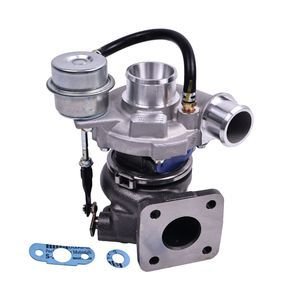
GT1241Z Turbocharger 7030304 for Doosan D24 & Bobcat Excavators, Skid Steers
View Details
Emission & Exhaust System
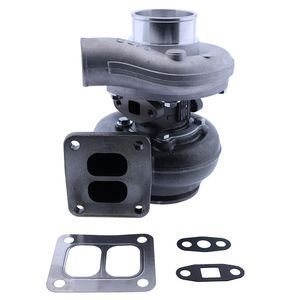
S200 Turbocharger RE508719 for John Deere 4045/6068 Engines – Direct Replacement
View DetailsNeed a Custom Quote?
Our technical team responds within 24 hours. MOQ 1 piece. Ships to 120+ countries from our Guangzhou warehouse.