
Emission & Exhaust System
Emission & Exhaust System
ISO Certified
Ships 2-5 Days
MOQ 1 Piece
Emission & Exhaust System
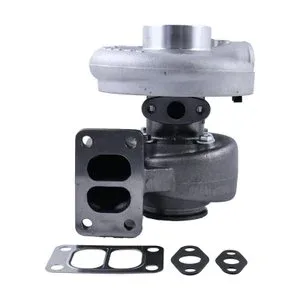
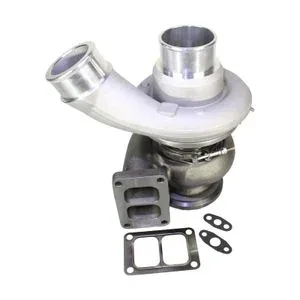
Turbocharger S300A113 for Mack CV713 – Fleet Supply 631GC5172M5
<p><strong>S300A113 Turbocharger 631GC5172M5 (cross-reference), replacement for Mack CV713</strong> — compatible with E7 and AI427 engine configurations for long-haul and regional freight cycles.</p> <ul> <li>Proactive replacement at early signs of rising exhaust smoke or boost loss prevents secondary intercooler and oil system damage downstream</li> <li>Thermal fatigue accumulates over sustained highway operation; swapping before catastrophic failure protects adjacent engine systems</li> <li>Forged Inconel turbine wheel and precision journal bearings specified for repeated thermal cycling resilience</li> </ul> <p>Replacement interval recommendations ship with every unit to support fleet maintenance planning across aging CV713 trucks.</p>
Lead Time
2-5 Days
Warranty
3-12 Months
Min. Order
1 Piece
Ships To
120+ Countries
631GC5172M5
For Mack
Mack CV713 Parts
S300A113 turbo
Service Part
turbocharger
Request a Quote
Response within 24 hours
Prefer instant chat?
WhatsApp
Product Details
Fleet Stocking Strategy — replacement intervals for this S300A113 turbocharger are tracked against operating hours and thermal cycling history, with units held in Guangzhou inventory for planned fleet maintenance windows.
Technical Specifications
| Parameter | Value |
|---|---|
| Part Number | 631GC5172M5 |
| Cross-Reference | 631GC5172M5 (reference only) |
| Machine Fitment | Mack CV713 |
| Turbo Model | S300A113 |
| Product Type | Turbocharger |
| Engine Compatibility | AI427, E7 |
| Condition | New Aftermarket |
| Turbine Wheel Material | Forged Inconel 713 |
| Shaft Runout Tolerance | ≤0.02 mm |
| Sealing Surface Finish | Ra ≤0.8 μm |
| Journal Bearing Type | Precision-ground bronze bushings with optimized oil feed grooves |
| Identification Method | Laser-etched model and batch traceability |
| Compliance Standards | ISO 9001, ISO 8573-1, SAE J1927 |
| Warranty | 6 months against manufacturing defects |
Application Suitability
| Service Interval | What to Check |
|---|---|
| 250,000–350,000 km long-haul cycles | Boost pressure consistency, exhaust smoke density under load |
| Stop-start urban delivery routes | Oil consumption trend, crankcase pressurization |
| Regional freight with varied terrain | Intercooler piping for secondary contamination after prior bearing events |
| Aging CV713 units past OEM support window | Cross-reference verification against superseded part numbers |
| Municipal refuse collection schedules | Thermal fatigue signs on turbine housing from frequent idle-boost transitions |
When Turbo Failure Becomes a Fleet-Level Problem
Waiting for failure means the truck is already offline, and the E7 engine may have absorbed secondary damage before the root cause is confirmed.
Fleet operators managing multiple CV713 units know that a single unplanned turbo replacement rarely stays a single-part job. Once bearing wear progresses to shaft play, oil migrates into the intercooler and downstream piping — what could have been a scheduled swap becomes a multi-system teardown. [NEED_CITE: heavy-duty diesel turbocharger failure progression and secondary engine contamination]. Reactively sourcing a Turbocharger service part for Mack CV713 after the truck has sat idle for days compounds lost revenue across contracted freight schedules.
Thermal cycling fatigue on turbine components accumulates over sustained highway and stop-start operation. Operators who track boost pressure deviation and oil consumption trends catch degradation before catastrophic failure, scheduling the replacement during planned service windows rather than mid-route. This S300A113 turbocharger sits at a predictable point in the Mack CV713 service life, making proactive replacement planning essential for fleet uptime.
Where This Turbocharger Sits in the CV713 Service Lifecycle
The S300A113 turbocharger operates in the high-thermal-stress zone of the E7 and AI427 engine systems. In long-haul applications, sustained exhaust gas temperatures drive gradual turbine wheel fatigue, while stop-start municipal routes impose repeated thermal shock cycles on the same components. Monitoring the Turbocharger service part for Mack CV713 within a preventive maintenance schedule allows fleet managers to align replacement with oil and filter service intervals, consolidating workshop time.
Recognizing the Window Before Catastrophic Failure
Typical wear progression on this platform presents as rising exhaust smoke under load, measurable increases in oil consumption, and gradual loss of boost pressure at sustained RPM. Crankcase pressurization often follows once journal bearing clearance exceeds tolerance, sending oil past the sealing surfaces into the compressor and turbine housings. [NEED_CITE: turbocharger wear symptom identification in heavy-duty diesel engines]. Catching these signals during routine inspections means the replacement happens on the fleet’s schedule, not the failure’s. For aging CV713 trucks operating past thinning manufacturer support windows, stocking units ahead of predictable consumption avoids procurement delays when a swap becomes urgent.
Forged Inconel and Bearing Design Under Repeated Thermal Load
The turbine wheel on this unit is specified in forged Inconel 713, a nickel-chromium superalloy chosen for resistance to thermal fatigue cracking under the repeated heat-cool cycles that characterize vocational truck operation. Shaft runout held to 0.02 mm or tighter ensures the journal bearings maintain consistent oil film thickness across the full RPM range, reducing the uneven wear patterns that lead to premature shaft play. The precision-ground bronze bushings feature optimized oil feed grooves designed to sustain hydrodynamic lubrication even during the low-oil-pressure moments of cold starts and idle transitions. Sealing surfaces finished to Ra 0.8 μm or finer minimize oil migration paths, extending the interval between initial wear onset and measurable oil consumption increase. These specifications collectively define how long the unit survives the thermal and mechanical stress environment of a working CV713.
The Compounding Cost of Reactive Replacement Decisions
Replacing a turbocharger only after complete failure often reveals that bearing debris has already circulated through the oil feed lines and into the intercooler. The resulting cleanup and component inspection add workshop days beyond the turbo swap itself, extending the truck’s downtime from a planned half-day service into a multi-day recovery. [NEED_CITE: cumulative downtime cost modeling for fleet vehicle unplanned repairs]. When the replacement decision is deferred, the total out-of-service window compounds lost freight revenue against the repair bill. Fleet operators who stock the Turbocharger service part for Mack CV713 against predicted consumption avoid both the procurement delay and the secondary damage that makes a simple swap into an extended teardown.
Supply Continuity and Verification from One Source
Our Guangzhou warehouse maintains stock on fast-wearing items like this turbocharger, allowing fleet operators to confirm availability and dispatch timing against their maintenance calendar rather than waiting on allocation. The technical team verifies engine serial variant compatibility — E7 versus AI427 configuration — before shipment, reducing the risk of receiving a unit that requires modification or return. Cross-reference verification covers superseded and alternate numbers, addressing the reality that older CV713 trucks may carry documentation referencing numbers that have since been updated. Sample supply is available for fitment confirmation before a fleet commits to bulk stocking, and both self-produced and sourced lines carry the same six-month warranty terms. Identification is confirmed through laser-etched batch traceability on each unit.
Documentation & Verification
- Commercial invoice and packing list with batch traceability codes for each S300A113 unit
- Part compatibility sheet confirming E7 and AI427 engine serial variant alignment (reference only)
- Dimensional inspection record covering shaft runout and sealing surface finish measurements
- Warranty terms document specifying six-month manufacturing defect coverage
- Packing photographs showing anti-vibration foam placement inside original protective boxes
- HS code assignment and customs documentation support for international freight forwarding
Service Interval & Stocking Guidance
- Monitor boost pressure variance at rated RPM as a leading indicator of turbine efficiency decline
- Align turbo replacement with scheduled oil and air filter service to consolidate workshop visits
- Track oil consumption trends per unit to identify journal bearing wear before seal migration begins
- Stock one spare per every five active CV713 units operating in high-cycle vocational routes
- Store units in sealed packaging in dry, temperature-stable conditions to preserve bearing surface integrity
- Verify cross-reference number against existing unit before committing to long-term stocking quantities
Planning Your Fleet Maintenance Inquiry
Fleet managers preparing a preventive maintenance schedule should share the CV713 unit count, typical route profile, and current engine serial variants to receive stocking recommendations aligned with predicted consumption rates. Including maintenance history and any prior turbo replacement records allows the technical team to confirm whether the standard S300A113 configuration matches the existing installation or whether a variant difference applies. This information enables a supply plan rather than a single-part transaction.
Frequently Asked Questions
Q: What operating mileage typically triggers turbocharger replacement on the CV713?
A: Replacement timing varies with route profile. Long-haul units operating sustained highway cycles may reach the service window around 250,000 to 350,000 km, while stop-start municipal routes impose higher thermal cycling frequency that can accelerate turbine fatigue. Boost pressure monitoring and oil consumption trends provide earlier signals than mileage alone.
Q: What warning signs indicate this turbocharger is approaching end of service life?
A: Rising exhaust smoke density under load, measurable increases in oil consumption, gradual boost pressure loss at sustained RPM, and crankcase pressurization are common indicators. These symptoms suggest journal bearing clearance is increasing, and scheduling replacement at this stage prevents secondary oil system contamination.
Q: Should adjacent systems be inspected when replacing the turbocharger?
A: Inspecting intercooler piping and oil feed lines for contamination from prior bearing wear is standard practice. A bearing failure event can circulate debris into downstream components, and confirming cleanliness before installing the replacement unit prevents early re-failure from residual contamination in the system.
Q: How many spare turbochargers should a fleet keep in stock?
A: A practical starting point is one unit per five active CV713 trucks operating in high-cycle routes, adjusted based on fleet age and observed failure patterns. Aging units past the manufacturer support window benefit from slightly deeper stock to offset longer procurement lead times if sourcing becomes constrained.
Q: Can this aftermarket turbocharger be sourced long-term for older CV713 trucks?
A: Yes. Cross-reference verification covers superseded and alternate part numbers, and stocking commitment is maintained for platforms where OEM support has thinned. Confirming the engine serial variant ensures the correct configuration is held for ongoing fleet supply rather than a one-time transaction.
Compatible Brands
CAT
KOMATSU
HITACHI
VOLVO
HYUNDAI
DOOSAN
KOBELCO
SANY
XCMG
Our parts are engineered to meet or exceed OEM specifications. Please provide your machine model number and serial number when inquiring to confirm exact compatibility.
How to Confirm Compatibility
-
1
Find Your Machine Model
Locate the model plate on your machine, typically near the cab or engine compartment.
-
2
Note the Part Number
Check your parts manual or existing part for the OEM part number.
-
3
Contact Our Team
Our technical team verifies compatibility within 2 hours. Send us the details via the inquiry form or WhatsApp.
Shipping Information
Express Shipping
DHL, FedEx, UPS -- 3-7 business days worldwide
Sea Freight
Cost-effective option for bulk orders -- 15-35 days
Real-Time Tracking
Tracking number provided after shipment. 24/7 support available.
Warranty Policy
3-12
Months Warranty
All parts come with manufacturer warranty. Duration varies by product category.
- Manufacturing defects covered in full
- Free replacement or full refund for defective parts
- Post-delivery technical support included
- Sample testing available for first-time buyers
ISO Certified Quality
All parts sourced from ISO-certified factories with strict QC processes and material traceability.
Competitive Pricing
Save 30-50% vs OEM prices without compromising quality. Transparent pricing with no hidden fees.
Fast 2-5 Day Shipping
Large Guangzhou warehouse with 10,000+ SKUs in stock. Most orders ship within 2-5 business days.
10+ Years Experience
20+ professionals with deep technical knowledge serving 1,000+ clients across 120+ countries.
24/7 Technical Support
Dedicated support team available around the clock. Part verification within 2 hours of inquiry.
Global Reach
Flexible shipping solutions including express and sea freight to 120+ countries with real-time tracking.
Related Products
More parts you might need
Emission & Exhaust System
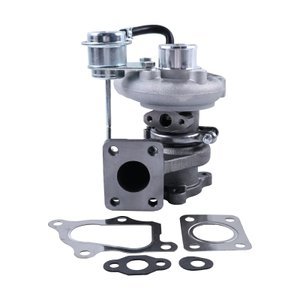
TD03 Turbocharger for Kubota V2003T/V2403-M-T – Direct Replacement with OEM Fit
View Details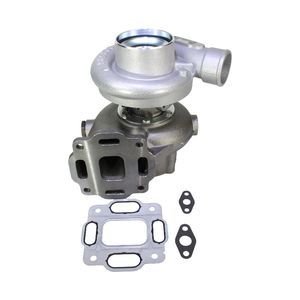
Need a Custom Quote?
Our technical team responds within 24 hours. MOQ 1 piece. Ships to 120+ countries from our Guangzhou warehouse.