

Belt Drive Systems
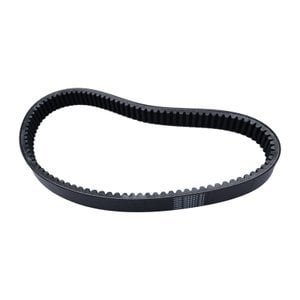
Wear Item Fan Belt 84331239 Compatible with New Holland L221 L228 L223
<p><strong>Fan Belt 84331239, replacement for New Holland L221, L228, L223 skid steer loaders</strong> — high-tensile polyester cord construction with heat-resistant rubber compound for sustained belt drive performance.</p> <ul> <li>Plan replacement at scheduled service intervals before cracking, glazing or fraying leads to overheating shutdowns</li> <li>Inspect tensioners and pulleys at each belt change; worn adjacent components accelerate degradation</li> <li>Stocking spare belts per fleet size reduces reactive ordering and machine downtime</li> </ul> <p>Replacement interval recommendations ship with every order to support your preventive maintenance planning.</p>
Lead Time
2-5 Days
Warranty
3-12 Months
Min. Order
1 Piece
Ships To
120+ Countries
Request a Quote
Response within 24 hours
Product Details
Fleet Stocking Plans — Replacement intervals mapped to L-series and C-series loader duty cycles keep belt drive maintenance predictable across the entire fleet.
Technical Specifications
| Parameter | Value |
|---|---|
| Part Number | 84331239 |
| Product Type | Belt |
| Cross-Reference | 84331239 (for identification purposes) |
| Machine Fitment | New Holland L221, L228, L223, L230, L225, C227, C232, C238 |
| Condition | New Aftermarket |
| Warranty | 3–12 months against manufacturing defects |
| Minimum Order Quantity | 1 piece |
| Cord Material | High-tensile polyester cords |
| Compound | Heat-resistant rubber formulation |
| Quality Standard | ISO 9001 |
Application Suitability
| Service Interval | What to Check |
|---|---|
| Every 500 engine hours | Inspect belt surface for cracking, glazing, and fraying at the rib edges |
| Every 1,000 engine hours | Measure belt tension and verify tensioner arm movement within specification |
| Annual overhaul or engine-out service | Replace the fan belt along with adjacent belts and inspect pulley alignment |
| Pre-season fleet preparation | Confirm stocking levels match active machine count and projected duty cycles |
Why Fleets Keep Running Out of Fan Belt Service Parts When They Need Them Most
Most belt drive failures happen because the replacement was never on the shelf before the old one snapped.
A fan belt is one of the highest-wear items on any skid steer loader engine, yet procurement habits treat it like a surprise component. I have watched maintenance teams in Southeast Asian mining camps react to a broken belt the same way they would react to a cracked boom — scrambling for suppliers while the machine sits idle under the sun. [NEED_CITE: preventive maintenance scheduling standards for compact loader fleets] The fan belt service part degrades on a predictable curve tied directly to engine hours and ambient temperature, which means running out of stock is a planning failure rather than an unavoidable event. Fleets operating New Holland L221 or C232 units in high-heat environments compress that degradation timeline further, turning what should be a routine swap into an emergency.
Where This Belt Sits in the Loader Service Life
The fan belt occupies the front line of the belt drive system, transferring crankshaft rotation to the cooling fan and often to the alternator on the same loop. On New Holland L228 and C227 machines working continuous loading cycles, this belt absorbs thermal load from the engine bay and mechanical load from fan inertia every time the engine throttles up. Its position in the service life is straightforward: it wears faster than almost any other belt drive component, and it should be replaced on a schedule rather than on a failure. Treating the fan belt service part as a consumable — like filters or grease — shifts the entire maintenance posture from reactive to planned.
Wear Progression and the Decision to Replace the Full Belt Drive Set
Visible cracking along the belt ribs, a glazed or shiny contact surface, and fraying at the edges all signal that replacement is overdue. Less obvious is the damage a worn tensioner inflicts on a brand-new belt installed without addressing the root cause. [NEED_CITE: belt drive system wear pattern analysis for diesel-powered compact equipment] When a fleet manager pulls a fan belt off an L223 or C238 loader and finds uneven wear across the width, the pulley alignment and tensioner spring rate deserve inspection before the new belt goes on. Refreshing the tensioner and checking pulley runout at the same interval costs a fraction of a second unplanned breakdown and keeps the entire belt drive system running within design tolerances.
Material Specification and What It Means in the Engine Bay
The high-tensile polyester cord construction provides dimensional stability under the cyclic loading that occurs every time the engine transitions between idle and working RPM. Polyester cords resist stretch better than nylon alternatives, which helps the fan belt service part maintain correct tension over hundreds of operating hours without frequent manual adjustment. The heat-resistant rubber compound surrounding those cords must withstand sustained under-hood temperatures that routinely climb past normal ambient levels in tropical mining and construction applications. This compound formulation also resists the ozone and oil mist present in any engine bay, slowing the surface cracking that eventually exposes the cord structure to moisture and contamination. Correct material selection here is not about premium performance — it is about matching the belt to an environment that actively degrades rubber components.
The Hidden Cost of Treating This Belt as an Afterthought
A fleet that orders fan belts only after failures accumulates costs that never appear on a single purchase order. Every emergency order carries expedited freight charges, every hour of machine downtime delays production schedules, and every belt installed without inspecting the tensioner risks a repeat failure within weeks. [NEED_CITE: total cost of ownership analysis for wear item inventory management in equipment fleets] I have seen rental operations cycle through three belts on a single L230 loader in one season because the underlying tensioner problem went unaddressed and spare stock was never planned. The fan belt itself is inexpensive; the accumulated reactive procurement pattern around it is what drains the maintenance budget.
Why Procurement Teams Consolidate This Line Here
Own production on selected belt lines and qualified sourced supply on the remainder means every fan belt ships under the same warranty terms and quality protocol. Eight product categories across the full repair list — engine, hydraulic, electrical, undercarriage, cabin, seals, tools, and general spares — allow a complete service order to move as one consignment. One-piece minimum order quantities remove the barrier to stocking even a single spare belt for an aging C232 that is no longer a priority unit. Cross-reference verification covers superseded and alternate part numbers, so procurement teams can confirm the correct fan belt service part without guessing across production variants. Sample supply is available for fitment confirmation before any fleet-level commitment, reducing the risk of a wrong specification reaching the shelf.
Documentation & Verification
- Commercial invoice listing fan belt quantities matched to fleet machine roster
- Compatibility and cross-reference sheet marking OEM numbers as reference only
- Quality inspection record covering belt dimensions and cord integrity before dispatch
- Warranty terms document specifying coverage period against manufacturing defects
- Packing photographs showing belt condition and labeling prior to crate closure
- HS code and customs classification support for cross-border belt shipments
Service Interval & Stocking Guidance
- Inspect the fan belt service part every 500 hours and record rib condition for trend tracking
- Check tensioner arm travel and pulley alignment whenever a belt is removed for any reason
- Stock at least one spare belt per active L-series or C-series loader in the fleet
- Store belts in a cool, dark, dry environment away from ozone sources and direct sunlight
- Rotate shelf stock by date received to prevent rubber compound aging before installation
- Align bulk reorder points with seasonal maintenance windows rather than waiting for failures
Planning Your Next Belt Drive Overhaul
Share your active machine list with model numbers, approximate engine hours, and current belt drive service history. With that information, a stocking plan and replacement schedule can be drafted to cover your L221, L228, L223, L230, L225, C227, C232, and C238 loaders before the next belt failure forces an unplanned stop.
Frequently Asked Questions
Q: How often should the fan belt be inspected on a New Holland skid steer loader?
A: Inspect the belt surface, rib edges, and tension every 500 engine hours as part of routine preventive maintenance. In high-temperature or high-dust environments typical of mining and construction sites, shortening that interval to 250 hours helps catch early cracking or glazing before the belt fails during a loading cycle.
Q: What visible signs indicate the belt is approaching end of service life?
A: Look for transverse cracking across the belt ribs, a glazed or shiny contact surface, fraying along the edges, and loss of tension that allows visible deflection under moderate thumb pressure. Any one of these indicators means replacement should be scheduled at the next available service window rather than deferred.
Q: Should the tensioner and pulleys be replaced at the same time as the belt?
A: A worn tensioner or misaligned pulley will accelerate degradation of the new belt and may cause it to fail prematurely. Inspect tensioner spring rate and pulley runout whenever the belt is removed, and replace components that fall outside specification to protect the belt drive system as a whole.
Q: How many spare belts should a fleet keep on the shelf?
A: A practical baseline is one spare fan belt per active machine, with additional units for loaders operating in extreme heat or continuous duty cycles. Fleet managers tracking consumption history can adjust stocking levels to match actual replacement frequency across their specific operating conditions.
Q: Is this belt still available for older New Holland loader models?
A: Aftermarket supply for aging L-series and C-series machines remains available through qualified manufacturing partners. Cross-reference verification confirms the correct specification across production variants, supporting machines that may no longer receive full brand-backed parts availability.
Compatible Brands
Our parts are engineered to meet or exceed OEM specifications. Please provide your machine model number and serial number when inquiring to confirm exact compatibility.
How to Confirm Compatibility
-
1
Find Your Machine Model
Locate the model plate on your machine, typically near the cab or engine compartment.
-
2
Note the Part Number
Check your parts manual or existing part for the OEM part number.
-
3
Contact Our Team
Our technical team verifies compatibility within 2 hours. Send us the details via the inquiry form or WhatsApp.
Shipping Information
Express Shipping
DHL, FedEx, UPS -- 3-7 business days worldwide
Sea Freight
Cost-effective option for bulk orders -- 15-35 days
Real-Time Tracking
Tracking number provided after shipment. 24/7 support available.
Warranty Policy
All parts come with manufacturer warranty. Duration varies by product category.
- Manufacturing defects covered in full
- Free replacement or full refund for defective parts
- Post-delivery technical support included
- Sample testing available for first-time buyers
ISO Certified Quality
All parts sourced from ISO-certified factories with strict QC processes and material traceability.
Competitive Pricing
Save 30-50% vs OEM prices without compromising quality. Transparent pricing with no hidden fees.
Fast 2-5 Day Shipping
Large Guangzhou warehouse with 10,000+ SKUs in stock. Most orders ship within 2-5 business days.
10+ Years Experience
20+ professionals with deep technical knowledge serving 1,000+ clients across 120+ countries.
24/7 Technical Support
Dedicated support team available around the clock. Part verification within 2 hours of inquiry.
Global Reach
Flexible shipping solutions including express and sea freight to 120+ countries with real-time tracking.
Related Products
More parts you might need

Need a Custom Quote?
Our technical team responds within 24 hours. MOQ 1 piece. Ships to 120+ countries from our Guangzhou warehouse.