

Engine Auxiliary Components
Engine Auxiliary Components
ISO Certified
Ships 2-5 Days
MOQ 1 Piece
Engine Auxiliary Components
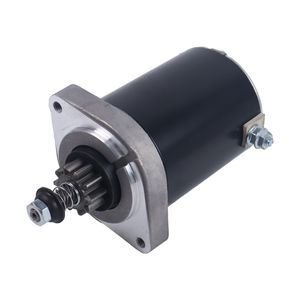
Wear Item Starter Motor Compatible with Kawasaki FR541V FR691V
<p><strong>21163-0749 Starter Motor</strong> — 12 V DC, 1.2 kW, compatible with Kawasaki FR541V, FR691V, FS600V engines and John Deere X300/X350 series, Cub Cadet RZT/Z-Force mowers</p> <ul> <li>Plan replacement at first signs of slow cranking or solenoid click without engagement — avoid mid-season breakdowns on high-utilization fleets</li> <li>Double-sealed bearings and Class H insulation support extended service intervals in dusty, high-moisture environments</li> <li>Stock ahead of seasonal maintenance windows to eliminate reactive procurement and lost billable hours</li> </ul> <p>Replacement cycle guidance included with shipment for fleet maintenance planning (Record ID: 9679)</p>
Lead Time
2-5 Days
Warranty
3-12 Months
Min. Order
1 Piece
Ships To
120+ Countries
12 V DC
21163-0749
For John Deere
Kawasaki FR691V
Service Part
starter motor
Request a Quote
Response within 24 hours
Prefer instant chat?
WhatsApp
Product Details
Fleet Stocking Strategy — planned replacement scheduling for Kawasaki-powered mower fleets to prevent mid-season breakdowns.
Technical Specifications
| Parameter | Value |
|---|---|
| Product Type | Starter Motor |
| Cross-Reference | 21163-0749, 21163-0711, 21163-0714, 21163-7035, FR691V-AS04, MIA11761, MIA11949, MIA11984, MIA12214, MIA12455, MIA12485, MIA12926 (reference only) |
| Machine Fitment | John Deere S240, X300, X300R, X304, X305R, X310, X320, X324, X350, X350R, X354, X360, X370, X380, X384, X390, X394, Z530M, Z530R; Cub Cadet RZT46, RZT50, RZT54, Z-Force 48, Z-Force 54, Z-Force 60, LTX1046, LTX1050 |
| Condition | New Aftermarket |
| Power Rating | 1.2 kW |
| Voltage | 12 V DC |
| Peak Cranking Torque | ≥2.4 N·m |
| Armature Insulation Class | Class H (180°C thermal rating) |
| Solenoid Plunger Material | Hardened steel (HRC 58–62) |
| Gear Pressure Angle | 20° |
| Mounting Flange Flatness Tolerance | ±0.05 mm |
| Bearings | Double-sealed |
| Warranty | 6-month standard warranty against manufacturing defects |
| Standards | ISO 9001, SAE J1171, ISO 1940-1 |
Application Suitability
| Service Interval | What to Check |
|---|---|
| 1,500–2,000 operating hours | Inspect solenoid engagement, battery voltage, and flywheel ring gear wear |
| Seasonal startup (spring) | Verify cold-cranking performance and connection integrity |
| Annual fleet audit | Test cranking speed, inspect wiring harness condition, check mounting flange flatness |
| High-utilization rental units | Monitor starter draw current and bearing noise at 1,000-hour intervals |
| Aging John Deere X300-series | Confirm cross-reference compatibility with superseded part numbers |
Predictable Failure Is Not an Emergency
Starter motors fail on a schedule — the question is whether your inventory matches that schedule or forces reactive procurement.
Commercial landscaping fleets running Kawasaki FR541V, FR691V, and FS600V engines see starter failures cluster around specific service intervals. Slow cranking, solenoid click without engagement, and intermittent starting are not surprises [NEED_CITE: electrical system failure patterns in commercial mowing equipment]. They are warnings that arrive weeks before complete failure. Fleets that treat starter motors as wear parts rather than emergency components avoid the procurement delays that strand machines during peak billing season.
When I managed parts for mining equipment, the same pattern emerged: reactive purchasing meant machines sat idle while waiting for deliveries that could have been planned months ahead. A Starter Motor service part belongs in scheduled maintenance budgets, not emergency requisitions.
Where This Component Fits in the Service Life
Every Kawasaki-powered John Deere or Cub Cadet tractor reaches a point where the starter motor requires replacement. This typically occurs between 1,500 and 2,500 operating hours depending on duty cycle and environmental conditions. The Starter Motor service part sits in the same maintenance category as belts, filters, and ignition components — items that wear predictably and should be stocked based on fleet utilization rates rather than failure events.
Fleet operators who track starter replacement history across their units can forecast demand with reasonable accuracy. A fifty-unit landscaping fleet might require eight to twelve starter replacements annually. That demand is not random [NEED_CITE: fleet maintenance forecasting methods for grounds equipment]. It correlates directly with machine hours and seasonal workload patterns.
Recognizing the Wear Progression
Starter motors announce their decline through measurable symptoms. Cranking speed drops noticeably before complete failure occurs. Solenoid engagement becomes inconsistent, sometimes requiring multiple key cycles before the gear engages the flywheel ring gear. Bearing noise increases as seals degrade and contamination enters the housing.
These symptoms typically develop over several weeks, providing a window for planned replacement rather than emergency response. However, fleet operators who wait for complete failure lose productive hours during peak season when replacement lead times matter most. The cost is not the starter itself — it is the machine sitting idle while waiting for delivery.
Inspecting the battery condition and flywheel ring gear during starter replacement prevents repeat failures caused by adjacent component wear [NEED_CITE: electrical system diagnostic procedures for small engine applications].
Engineering Choices That Affect Service Intervals
The 1.2 kW power rating and 12 V DC configuration match the electrical system requirements of Kawasaki FR541V, FR691V, and FS600V engines used in John Deere X300-series and Cub Cadet Z-Force models. The Class H armature insulation with 180°C thermal rating provides margin above typical operating temperatures encountered in commercial mowing applications where engines run eight to twelve hours daily.
Double-sealed bearings prevent contamination ingress from grass clippings, dust, and moisture — the primary failure accelerants in landscaping environments. The hardened steel solenoid plunger with HRC 58–62 hardness resists wear from repeated engagement cycles. Mounting flange flatness tolerance of ±0.05 mm ensures proper alignment with the flywheel ring gear, preventing premature gear tooth wear that causes engagement failures.
The 20° gear pressure angle matches the flywheel ring gear specification, ensuring smooth engagement without excessive noise or binding that indicates misalignment.
The Cumulative Cost of Reactive Procurement
Fleets that purchase starter motors only after failure accumulate downtime that compounds through the season. A single machine down for three days during peak mowing season represents lost billing hours that exceed the component cost many times over. When multiple units experience unplanned failures simultaneously, the procurement bottleneck affects the entire fleet’s productivity.
Emergency purchasing also means accepting whatever stock is available rather than verifying fitment against specific engine codes. The same base starter number may have variants across different production years of the John Deere X350 or Cub Cadet RZT50 [NEED_CITE: equipment variant documentation practices]. Reactive buyers accept fitment risk that planned buyers eliminate through advance verification.
Repeat failures often trace back to undiagnosed battery degradation or flywheel ring gear damage that would have been discovered during scheduled replacement but gets overlooked in emergency situations.
Supply Structure for Fleet Planning
This starter motor comes from production lines that also supply qualified manufacturing partners, all under unified quality control and warranty terms. The eight product categories available through a single account mean electrical components, filters, belts, and seals ship together rather than requiring separate purchase orders from different suppliers.
Minimum order from one piece allows small fleets to maintain strategic stock without excessive inventory investment. Guangzhou warehouse stock enables fast dispatch on common items, while part identification from machine model, photograph, or nameplate image supports fleet managers who maintain mixed-age equipment where nameplates may be worn or painted over.
Cross-reference verification covers superseded and alternate numbers, addressing the reality that older John Deere and Cub Cadet models may have multiple valid part numbers across production generations. Sample supply before bulk commitment allows functional verification in your specific application.
Documentation & Verification
- Commercial invoice and packing list itemizing each starter motor with cross-reference numbers
- Part compatibility sheet confirming fitment for specific engine codes like FS600V-AS16
- Quality inspection records documenting bearing condition and solenoid function before dispatch
- Six-month warranty terms covering manufacturing defects under normal commercial use
- Packing photographs showing protective packaging and unit identification
- HS code and customs documentation support for international fleet operations
Service Interval & Stocking Guidance
- Inspect starter motor cranking speed and solenoid engagement at 1,500-hour intervals or seasonal startup
- Stock one starter per ten fleet units for commercial landscaping operations running eight to twelve hours daily
- Store replacement units in dry conditions to prevent bearing seal degradation before installation
- Verify battery voltage and cable condition when installing new starter to prevent premature failure
- Record engine serial number and starter replacement date to track service intervals across fleet
- Check flywheel ring gear tooth condition during starter replacement to prevent repeat engagement failures
Requesting Maintenance Planning Support
Provide your fleet composition including machine models, engine codes, and current utilization rates. This information enables replacement interval recommendations and stocking quantity guidance specific to your operational pattern. For mixed fleets containing both newer John Deere X390-series and older Cub Cadet models, include engine serial numbers to verify cross-reference compatibility across production generations.
Frequently Asked Questions
Q: How do I recognize when a starter motor is approaching end of service life?
A: Watch for slow cranking speed, intermittent engagement requiring multiple key cycles, and increased bearing noise during operation. These symptoms typically develop over several weeks before complete failure, providing a window for planned replacement. Testing starter draw current during scheduled maintenance reveals degradation before operators notice performance issues.
Q: Should I inspect other components when replacing the starter motor?
A: Yes. Battery condition, cable connections, and flywheel ring gear tooth wear all affect starter performance and service life. A weak battery forces the starter to work harder, accelerating wear. Damaged ring gear teeth cause engagement failures that can destroy a new starter. Inspecting these components during replacement prevents premature repeat failures.
Q: How many starters should I stock for a commercial landscaping fleet?
A: A reasonable starting point is one unit per ten machines for fleets running eight to twelve hours daily during peak season. Adjust based on your actual replacement history and the age distribution of your fleet. Older machines approaching typical replacement intervals require higher stock levels than newer units still under warranty coverage.
Q: Can I still get starter motors for older John Deere and Cub Cadet models?
A: Yes. Cross-reference verification covers superseded part numbers across production generations. Provide your engine model and code to confirm fitment, as the same base starter may have variants for different production years. This ensures compatibility even when original dealer support for aging equipment becomes limited or unavailable.
Q: What service interval should I expect from this starter in commercial use?
A: Service life depends on duty cycle, environmental conditions, and maintenance of adjacent components. Commercial landscaping operations typically see 1,500 to 2,500 operating hours before replacement is needed. Proper battery maintenance and clean electrical connections extend service life, while contaminated environments and weak batteries accelerate wear and reduce replacement intervals.
Compatible Brands
CAT
KOMATSU
HITACHI
VOLVO
HYUNDAI
DOOSAN
KOBELCO
SANY
XCMG
Our parts are engineered to meet or exceed OEM specifications. Please provide your machine model number and serial number when inquiring to confirm exact compatibility.
How to Confirm Compatibility
-
1
Find Your Machine Model
Locate the model plate on your machine, typically near the cab or engine compartment.
-
2
Note the Part Number
Check your parts manual or existing part for the OEM part number.
-
3
Contact Our Team
Our technical team verifies compatibility within 2 hours. Send us the details via the inquiry form or WhatsApp.
Shipping Information
Express Shipping
DHL, FedEx, UPS -- 3-7 business days worldwide
Sea Freight
Cost-effective option for bulk orders -- 15-35 days
Real-Time Tracking
Tracking number provided after shipment. 24/7 support available.
Warranty Policy
3-12
Months Warranty
All parts come with manufacturer warranty. Duration varies by product category.
- Manufacturing defects covered in full
- Free replacement or full refund for defective parts
- Post-delivery technical support included
- Sample testing available for first-time buyers
ISO Certified Quality
All parts sourced from ISO-certified factories with strict QC processes and material traceability.
Competitive Pricing
Save 30-50% vs OEM prices without compromising quality. Transparent pricing with no hidden fees.
Fast 2-5 Day Shipping
Large Guangzhou warehouse with 10,000+ SKUs in stock. Most orders ship within 2-5 business days.
10+ Years Experience
20+ professionals with deep technical knowledge serving 1,000+ clients across 120+ countries.
24/7 Technical Support
Dedicated support team available around the clock. Part verification within 2 hours of inquiry.
Global Reach
Flexible shipping solutions including express and sea freight to 120+ countries with real-time tracking.
Related Products
More parts you might need

Engine Auxiliary Components
Glow Plug 16693SRV for Mitsubishi L3E – Scheduled Maintenance
View Details
Engine Auxiliary Components
Spark Plug Wire 3966404 for Cummins B5.9 and ISB5.9G Gas Engines
View Details
Engine Auxiliary Components
Glow Plug 185366190 for Perkins 404D-22 – Scheduled Maintenance
View DetailsNeed a Custom Quote?
Our technical team responds within 24 hours. MOQ 1 piece. Ships to 120+ countries from our Guangzhou warehouse.