
Engine Auxiliary Components

Engine Auxiliary Components
ISO Certified
Ships 2-5 Days
MOQ 1 Piece
Engine Auxiliary Components
12V 9T Starter Motor 25-39476-00 – Carrier CT4-134DI Service Part
<p><strong>25-39476-00 Starter Motor, 12V 9T</strong> — replacement for Carrier CT4-134DI Tier 4 transport refrigeration engines, compatible with Genesis 1000, Vector 8600MT, and X2 series units.</p> <ul> <li><strong>Proactive replacement</strong> at early signs of slow cranking or intermittent engagement prevents unplanned cold-chain cargo loss during peak haul seasons.</li> <li>Standalone starter swap is often sufficient; check battery terminals and solenoid condition to address root cause before reassembly.</li> </ul> <p>Recommended service intervals and stocking guidance included with shipment for fleet-level planning.</p>
Lead Time
2-5 Days
Warranty
3-12 Months
Min. Order
1 Piece
Ships To
120+ Countries
12V 9T
25-39476-00
Carrier Compatible
Engine Auxiliary
Service Part
starter motor
Request a Quote
Response within 24 hours
Prefer instant chat?
WhatsApp
Product Details
Fleet Stocking Strategy — proactive replacement scheduling keeps CT4-134DI refrigeration units off emergency breakdown lists.
Technical Specifications
| Parameter | Value |
|---|---|
| Part Number | 25-39476-00 |
| Product Type | Starter Motor |
| Cross-Reference | 25-39476-00, 25-39476-00SV, 253947600, 253947600SV (reference only) |
| Machine Fitment | Genesis 1000, Genesis TM900, Extra XT, X4 7500, X4 6600 MT, Ultima XTC, ULTRA XL, ULTRA XTC, ULTRA XT, Vector 8600MT, X2 1800, X2 2100, X2 2100A, X2 2100R, X2 2500A, X2 2500R |
| Voltage | 12V |
| Tooth Count | 9T |
| Condition | New Aftermarket |
| Warranty | 3-12 months against manufacturing defects |
| Factory Certification | ISO |
Application Suitability
| Service Interval | What to Check |
|---|---|
| Annual pre-season inspection | Cranking speed, solenoid engagement consistency, terminal corrosion |
| Every 10,000 operating hours | Brush wear depth, commutator condition, pinion gear tooth profile |
| Between lease cycles on rental units | Battery load test, cable voltage drop, relay switching integrity |
| When engine overhaul is performed | Flywheel ring gear teeth, starter mounting flange alignment |
When the Cold Chain Breaks Because Nobody Planned for the Starter Motor
A failed starter on a loaded refrigerated trailer costs far more in spoiled cargo than the replacement part itself.
In my years buying for a Yangtze Delta fleet, I watched Carrier CT4-134DI units sit dead on loading docks while dispatchers scrambled to source a starter motor maintenance service part. The cargo was already warming. By the time the unit cranked again, entire loads of pharmaceuticals or frozen goods had been written off. Reactive procurement of starting components is a pattern I see repeated across transport refrigeration operators who treat starters as unexpected failures rather than scheduled wear items. [NEED_CITE: cold chain cargo loss attribution to transport refrigeration equipment failure]
The root issue is that a Starter Motor maintenance service part rarely announces its failure with generous lead time. Slow cranking gets blamed on cold weather. Intermittent engagement gets blamed on a weak battery. Then one morning the unit simply will not turn over, and the machine is down during the busiest haul week of the season.
Where This Starter Motor Sits in the Unit’s Service Life
A transport refrigeration unit’s starter motor occupies a specific position in the ownership lifecycle. Unlike engine internals that wear progressively and predictably with oil analysis trends, the starter endures high-current, short-duration cycles that produce abrupt failure modes. Brush depletion, solenoid contact erosion, and pinion gear wear accumulate silently across thousands of start cycles. The unit may crank perfectly for months, then fail without further warning. For fleet managers running Genesis, Vector, or X-series Carrier units, this component belongs on a preventive replacement schedule tied to operating hours rather than waiting for cranking symptoms to appear.
Recognizing the Wear Progression Before the Unit Goes Silent
Early indicators that a Starter Motor maintenance service part is approaching end of life include a noticeable delay between key-turn and engine cranking, a grinding or whirring sound suggesting the pinion is not fully meshing with the flywheel ring gear, and intermittent no-crank events that resolve after cycling the key several times. These symptoms compound when paired with aging batteries, corroded cable terminals, or weak relays in the starting circuit. Addressing the starter in isolation while ignoring adjacent circuit degradation leads to premature failure of the replacement unit. [NEED_CITE: transport refrigeration starting circuit diagnostic best practices] Fleet maintenance programs that audit the entire starting circuit — battery, cables, relay, solenoid, and starter — during each major service interval catch degradation before it causes a roadside or dockside breakdown.
Voltage, Tooth Count, and Why They Matter for Cranking Reliability
The 12V specification aligns with the standard electrical architecture of Carrier CT4-134DI Tier 4 transport refrigeration units. Operating outside the designed voltage range strains the armature windings and accelerates brush wear. The 9-tooth pinion gear must match the flywheel ring gear pitch precisely; a mismatched tooth count will either fail to engage or damage the ring gear teeth, turning a starter replacement into a far more invasive repair. The gear profile also determines how smoothly the pinion slides into mesh during cranking. Worn teeth on the original unit often indicate corresponding wear on the flywheel ring, which should be inspected whenever the starter is removed. Installing a fresh starter against a damaged ring gear shortens the service life of both components considerably.
The Hidden Cost of Waiting Until It Fails
Operating a fleet of refrigerated trailers without stocking starter motors means every failure triggers an emergency order cycle. The unit sits loaded and warming while procurement sources the correct variant, confirms fitment, and arranges freight. For temperature-controlled pharmaceutical logistics or fresh food transport, this window of inaction translates directly into cargo rejection at the receiving dock. Over a fleet’s lifetime, the accumulated cost of spoiled loads and missed delivery windows far exceeds what a planned stocking program would have required. Additionally, repeated reactive failures strain relationships with cold-chain clients who depend on reliable equipment performance. [NEED_CITE: fleet downtime cost modeling for transport refrigeration operators]
Why Source This Starter Motor Here
Selected part lines are produced in our own facility while the remainder is sourced from ISO-certified manufacturing partners, so every starter motor carries identical quality control and warranty terms. Eight product categories mean a fleet maintenance order covering starters, seal kits, filters, and undercarriage components ships under one account with consolidated documentation. Orders start from a single unit, so a lone failed starter on a rental return does not force a bulk purchase. Guangzhou warehouse stock enables fast dispatch on common carrier refrigeration service parts. Part identification works from a part number, machine model, photograph, or even a worn nameplate image — critical when dealing with older Genesis or Vector units where labels have faded. Cross-reference verification covers superseded and alternate numbers like 25-39476-00SV, ensuring the correct variant ships even when the original number has been updated. A sample unit is available for fitment confirmation before committing to a fleet-quantity order.
Documentation & Verification
- Commercial invoice listing each starter motor with cross-reference numbers for customs clarity
- Compatibility sheet mapping 25-39476-00 against all verified Carrier unit models
- Quality inspection record covering voltage draw, pinion engagement, and tooth profile
- Warranty terms stating coverage period against manufacturing defects
- Packing photographs documenting starter condition before crate closure
- HS code guidance for starter motor exports to simplify import clearance
Service Interval & Stocking Guidance
- Schedule replacement at each major refrigeration unit overhaul to avoid mid-cycle failures
- Monitor cranking speed trends during routine fleet inspections for early degradation signals
- Stock one starter per five to eight active Carrier units as a minimum fleet buffer
- Store spare starters in dry, temperature-stable conditions to prevent internal corrosion
- Audit the full starting circuit — battery, cables, relay — whenever a starter is replaced
- Label stored units with date received and compatible machine models for quick retrieval
Planning Your Fleet’s Starter Replacement Cycle
Share your Carrier unit models, approximate operating hours per year, and fleet size to receive a stocking recommendation that aligns with your maintenance calendar. Providing engine serial ranges helps confirm the correct starter variant across mixed-age fleets.
Frequently Asked Questions
Q: How often should the starter motor be replaced in a transport refrigeration unit?
A: Replacement intervals depend on operating environment and start-cycle frequency. Units in cold climates with frequent short-run cycles wear starters faster than those in steady long-haul service. A practical approach is inspecting cranking performance annually and planning proactive replacement during major service intervals rather than waiting for complete failure.
Q: What symptoms indicate the starter is approaching end of life?
A: Watch for slower-than-normal cranking, a whirring sound without engine engagement, intermittent no-crank events, or increased current draw measured during maintenance checks. These signs suggest brush depletion or solenoid contact wear. Addressing them early prevents unexpected failures during loaded transport operations.
Q: Should I replace just the starter or the full starting circuit?
A: Replacing only the starter while ignoring degraded batteries, corroded terminals, or weak relays causes the new unit to work harder and fail sooner. A full circuit audit during each starter replacement extends the life of the new component and reduces the probability of repeat starting failures across your fleet.
Q: How many units should I stock for a fleet of refrigerated trailers?
A: Stocking depth depends on fleet size, unit age distribution, and route criticality. A mixed-age fleet of Carrier Genesis, Vector, and X-series units benefits from maintaining at least one verified starter per several active trailers, scaled upward for operations where cargo spoilage consequences are severe.
Q: Can I still get parts for older Carrier Genesis and Vector models?
A: Yes. Cross-reference verification covers superseded numbers and legacy model applications. Units like the Genesis 1000, Vector 8600MT, and earlier X2 variants remain supported through verified aftermarket supply chains, even as direct OEM availability for these platforms becomes less consistent over time.
Compatible Brands
CAT
KOMATSU
HITACHI
VOLVO
HYUNDAI
DOOSAN
KOBELCO
SANY
XCMG
Our parts are engineered to meet or exceed OEM specifications. Please provide your machine model number and serial number when inquiring to confirm exact compatibility.
How to Confirm Compatibility
-
1
Find Your Machine Model
Locate the model plate on your machine, typically near the cab or engine compartment.
-
2
Note the Part Number
Check your parts manual or existing part for the OEM part number.
-
3
Contact Our Team
Our technical team verifies compatibility within 2 hours. Send us the details via the inquiry form or WhatsApp.
Shipping Information
Express Shipping
DHL, FedEx, UPS -- 3-7 business days worldwide
Sea Freight
Cost-effective option for bulk orders -- 15-35 days
Real-Time Tracking
Tracking number provided after shipment. 24/7 support available.
Warranty Policy
3-12
Months Warranty
All parts come with manufacturer warranty. Duration varies by product category.
- Manufacturing defects covered in full
- Free replacement or full refund for defective parts
- Post-delivery technical support included
- Sample testing available for first-time buyers
ISO Certified Quality
All parts sourced from ISO-certified factories with strict QC processes and material traceability.
Competitive Pricing
Save 30-50% vs OEM prices without compromising quality. Transparent pricing with no hidden fees.
Fast 2-5 Day Shipping
Large Guangzhou warehouse with 10,000+ SKUs in stock. Most orders ship within 2-5 business days.
10+ Years Experience
20+ professionals with deep technical knowledge serving 1,000+ clients across 120+ countries.
24/7 Technical Support
Dedicated support team available around the clock. Part verification within 2 hours of inquiry.
Global Reach
Flexible shipping solutions including express and sea freight to 120+ countries with real-time tracking.
Related Products
More parts you might need
Engine Auxiliary Components
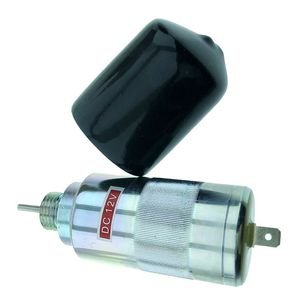
12V fuel shut-off solenoid SBA185206083 for Shibaura ISM N844 engines
View Details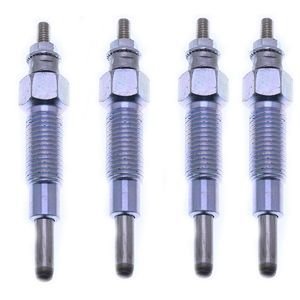
Engine Auxiliary Components
Glow Plug 3974953 for Kubota D1402/V1702 – Fast-Start Cold Weather Ignition
View Details
Need a Custom Quote?
Our technical team responds within 24 hours. MOQ 1 piece. Ships to 120+ countries from our Guangzhou warehouse.