
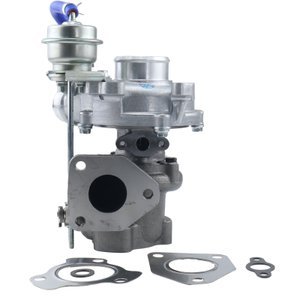
Emission & Exhaust System
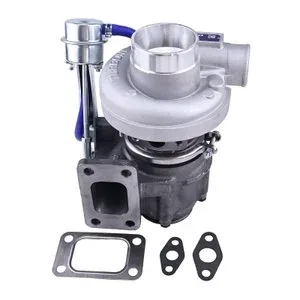
Emission & Exhaust System
ISO Certified
Ships 2-5 Days
MOQ 1 Piece
Emission & Exhaust System
Cummins-Compatible Turbocharger HX30W 3592016 – Fleet Supply
<p>Suggested service intervals and replacement timing guidance included with shipment to support your maintenance planning.</p>
Lead Time
2-5 Days
Warranty
3-12 Months
Min. Order
1 Piece
Ships To
120+ Countries
3592016
Cummins Compatible
Emission System
HX30W Turbo
Service Part
turbocharger
Request a Quote
Response within 24 hours
Prefer instant chat?
WhatsApp
Product Details
Lifecycle Planning — Turbocharger replacement timing and associated exhaust system wear tracked across Cummins 4BT and 6B5.9 fleet service intervals.
Technical Specifications
| Parameter | Value |
|---|---|
| Part Number | 3592016 |
| Product Type | Turbocharger |
| Cross-Reference | 3800709, 3592016, 3593089, 3593090, 4089476, 3536336, 3802741, 3537759, 3536337, 3592118, J592015, J592016, J536336, J802741, 76193234, 76193235, JR592015, JR802741, JC536336 (reference only) |
| Turbo Model | HX30W |
| Compatible Engine Brand | Cummins |
| Engine Models | 4BT 110HP, 4B3.9, 6B5.9 |
| Condition | New Aftermarket |
| Warranty | 3-12 months against manufacturing defects |
| Manufacturing Standard | ISO-certified manufacturing |
Application Suitability
| Service Interval | What to Check |
|---|---|
| Every 4,000-6,000 operating hours | Turbo shaft play, boost pressure consistency, oil feed line condition |
| Major engine service (overhaul) | Exhaust manifold gaskets, oil return line integrity, mounting hardware |
| Between rental contracts | Wastegate operation, compressor wheel edge wear, housing cracks |
| Legacy fleet planning | Cross-reference compatibility across superseded part numbers, stocking thresholds |
When a Single Turbo Swap Becomes a Repeat Repair
A failed HX30W Turbocharger service part rarely fails in isolation — the surrounding exhaust system usually shows the same fatigue.
In copper mining fleets I have worked around, operators often replace just the turbo core on a Cummins 4BT and watch the same engine suffer bearing damage within months. The root cause sits upstream or downstream: a coked oil feed line starving the new unit, or a cracked exhaust manifold gasket bleeding pressure and altering spool behavior. Treating the HX30W Turbocharger service part as a standalone swap ignores the wear patterns that accumulated across the entire emission and exhaust system. [NEED_CITE: turbocharger failure root cause analysis in heavy diesel applications]
Fleet maintenance programs that inspect the full system at the point of turbo replacement catch these secondary faults before they compound. The cost of replacing gaskets and oil lines alongside the turbo is minor compared to the cumulative downtime from a second teardown.
Positioning the Turbo Within the Fleet Maintenance Calendar
The turbocharger occupies a predictable point in the service lifecycle of Cummins-powered equipment. On machines running in high-dust environments like mining or trenching, compressor wheel erosion builds gradually, and boost pressure drops before the operator notices power loss. Scheduling Cummins turbocharger maintenance around documented operating hours rather than waiting for audible whine or visible smoke keeps the replacement ahead of secondary engine damage.
Reading the Wear Signals Before Catastrophic Failure
Shaft play beyond acceptable tolerance, oil residue on the compressor housing inlet, and inconsistent boost readings under load all signal that the turbo is approaching end of service. On a fleet with multiple Hyundai R140LC-7 excavators or CASE 580SL loaders running identical 4BT or 6B5.9 engines, these symptoms tend to cluster around similar hour marks. Tracking which machines show early degradation lets maintenance planners stage replacement parts before a unit goes down unexpectedly. [NEED_CITE: fleet condition monitoring practices for turbocharged diesel engines]
Decoding the HX30W Specifications for Service Planning
The HX30W turbo model is sized for the airflow and pressure ratio requirements of the Cummins 4BT 110HP, 4B3.9, and 6B5.9 engine families. The wastegate design controls maximum boost to protect the engine under varying load conditions, which matters when equipment cycles between idle trenching and full-throttle hauling. The journal bearing configuration inside the center housing requires clean, pressurized oil at all times — meaning the oil feed and return lines must be free of carbon deposits that restrict flow. This is why inspection of those lines should accompany every turbo replacement. The compressor and turbine housing castings are matched to the engine displacement, so substituting a different frame size disrupts the intended boost curve and can cause over-speeding or lag.
The Cost of Reactive Turbo Purchasing
Buying a replacement turbo only after failure means the machine is already down, and the surrounding system has not been evaluated. On a CASE 580L Loader or a New Holland DC100 Crawler Dozer, a turbo that failed from oil starvation will destroy its replacement if the feed line is not cleaned or replaced. I have seen fleets repeat this cycle because the procurement decision focused on the cheapest available unit rather than the system condition. [NEED_CITE: repeat turbocharger failure patterns in construction equipment fleets] The downtime cost from a second failure within the same quarter far outweighs the planning effort required to stock associated gaskets and lines alongside the turbo.
Why This Source Supports Lifecycle Decisions
Selected turbocharger lines are produced in our own facility while the remainder comes from ISO-certified manufacturing partners — both carry identical QC and warranty terms. The eight product categories under one account mean exhaust gaskets, oil feed lines, and seal kits ship in the same consignment as the turbo, so maintenance windows are not split across multiple deliveries. Part identification works from a worn nameplate image or a machine model alone when the tag is unreadable. Cross-reference verification covers the full chain of superseded numbers listed above, so older Cummins installations are matched correctly. Technical support is available to confirm whether a specific engine serial variant requires a particular turbo build. Sample units can be supplied for fitment confirmation before a fleet commits to bulk stocking.
Documentation & Verification
- Commercial invoice and packing list referencing the HX30W turbo and any bundled gaskets or lines
- Part compatibility and cross-reference sheet showing all superseded numbers marked reference only
- Quality inspection record covering shaft balance and housing dimensional checks
- Warranty terms aligned to the 3-12 month coverage against manufacturing defects
- Packing photographs confirming secure crating before dispatch
- HS code and customs documentation support for cross-border fleet supply
Service Interval & Stocking Guidance
- Schedule Cummins turbocharger maintenance inspection at every major engine service interval to catch shaft play early
- Monitor boost pressure logs across fleet units to identify machines approaching turbo end-of-life
- Stock at least one HX30W unit per engine family in the fleet, plus matched gasket and oil line sets
- Store turbos in dry, sealed packaging to prevent bearing corrosion during shelf life
- Rotate stock periodically so older inventory enters service before newer deliveries
Planning Your Next Turbo Inquiry
Provide the engine model, serial number, and current operating hours for each machine in the fleet. If the nameplate is worn or painted over, send a photograph of the existing turbo housing and mounting flange. Include any history of prior turbo replacements or exhaust system work so the cross-reference can account for superseded numbers and variant differences.
Frequently Asked Questions
Q: How often should I replace the turbocharger on Cummins 4BT/6B5.9 engines?
A: Replacement timing depends on operating environment and maintenance history. In high-dust mining or construction use, inspection should occur at every major service interval, with replacement planned once shaft play or boost degradation is detected. Running to outright failure risks secondary engine damage from oil contamination or foreign object ingestion through a damaged compressor wheel.
Q: What are the warning signs that turbo replacement is needed?
A: Audible whine under load, visible oil residue at the compressor inlet, inconsistent boost pressure readings, and excessive shaft play when checked by hand all indicate approaching end of service. Blue-gray exhaust smoke under acceleration can also point to turbo seal wear allowing oil into the intake or exhaust stream.
Q: Should I replace just the turbo or service the entire exhaust system?
A: Inspecting and replacing exhaust manifold gaskets, oil feed and return lines, and mounting hardware alongside the turbo prevents repeat failures from the same root cause. A turbo that failed from oil starvation will destroy its replacement if the coked feed line is not addressed during the same service window.
Q: How many turbos should I stock for a fleet of similar machines?
A: For a fleet of machines sharing the same Cummins engine family, stocking one complete turbocharger plus associated gasket sets per engine type covers emergency replacement needs. High-utilization fleets operating in abrasive environments may stage additional units based on documented failure clustering across similar hour intervals.
Q: Can I still get support for older Cummins engines as OEM support phases out?
A: Aftermarket supply covers legacy Cummins 4BT and 6B5.9 installations with cross-reference verification across superseded part numbers. This ensures correct fitment even when the original equipment manufacturer discontinues support for specific turbo variants, keeping older CASE, New Holland, and Hyundai machines operational with verified compatible replacements.
Compatible Brands
CAT
KOMATSU
HITACHI
VOLVO
HYUNDAI
DOOSAN
KOBELCO
SANY
XCMG
Our parts are engineered to meet or exceed OEM specifications. Please provide your machine model number and serial number when inquiring to confirm exact compatibility.
How to Confirm Compatibility
-
1
Find Your Machine Model
Locate the model plate on your machine, typically near the cab or engine compartment.
-
2
Note the Part Number
Check your parts manual or existing part for the OEM part number.
-
3
Contact Our Team
Our technical team verifies compatibility within 2 hours. Send us the details via the inquiry form or WhatsApp.
Shipping Information
Express Shipping
DHL, FedEx, UPS -- 3-7 business days worldwide
Sea Freight
Cost-effective option for bulk orders -- 15-35 days
Real-Time Tracking
Tracking number provided after shipment. 24/7 support available.
Warranty Policy
3-12
Months Warranty
All parts come with manufacturer warranty. Duration varies by product category.
- Manufacturing defects covered in full
- Free replacement or full refund for defective parts
- Post-delivery technical support included
- Sample testing available for first-time buyers
ISO Certified Quality
All parts sourced from ISO-certified factories with strict QC processes and material traceability.
Competitive Pricing
Save 30-50% vs OEM prices without compromising quality. Transparent pricing with no hidden fees.
Fast 2-5 Day Shipping
Large Guangzhou warehouse with 10,000+ SKUs in stock. Most orders ship within 2-5 business days.
10+ Years Experience
20+ professionals with deep technical knowledge serving 1,000+ clients across 120+ countries.
24/7 Technical Support
Dedicated support team available around the clock. Part verification within 2 hours of inquiry.
Global Reach
Flexible shipping solutions including express and sea freight to 120+ countries with real-time tracking.
Related Products
More parts you might need
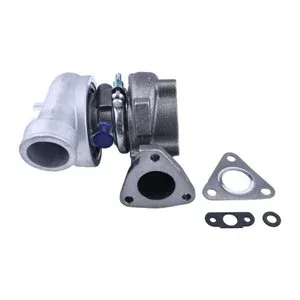
Emission & Exhaust System
TD04L Turbocharger 187154 for Deutz BF4L2011 Gehl 5640 6640 – Service Part
View Details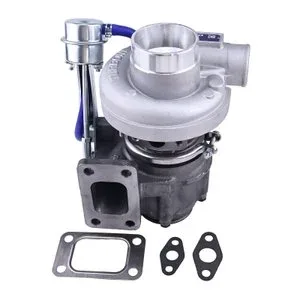
Emission & Exhaust System
HX30W Turbocharger 3592016 for Cummins 4BT – Scheduled Maintenance
View Details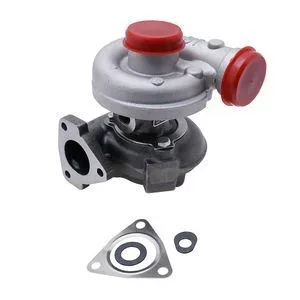
Emission & Exhaust System
Turbocharger S1B 315666 | Scheduled Maintenance for Deutz BF3L914 BF4M1011F
View DetailsNeed a Custom Quote?
Our technical team responds within 24 hours. MOQ 1 piece. Ships to 120+ countries from our Guangzhou warehouse.