

Belt Drive Systems
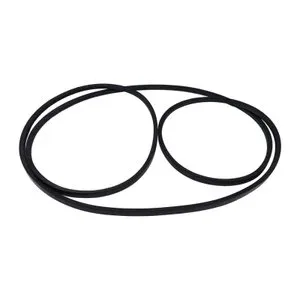
Ribbed Belt for Cummins Engine 4B 4BT 6B 6BT – Service Part
<p><strong>Ribbed Belt 3911584, 8-Rib Serpentine Type for Cummins 4B 6B ISB Engines</strong> — replacement for scheduled preventive maintenance on B3.9L, 4BT, 6BT, 6BTA, and ISB CM550 platforms.</p> <ul> <li>Replacing at recommended service intervals alongside filters and coolant prevents accessory drive failures</li> <li>Inspect tensioner condition and pulley alignment during each belt change to avoid accelerated wear</li> <li>Cracking, glazing, or rib separation signals immediate replacement before unplanned downtime</li> </ul> <p>Replacement interval guidance included with shipment to support fleet maintenance planning.</p>
Lead Time
2-5 Days
Warranty
3-12 Months
Min. Order
1 Piece
Ships To
120+ Countries
Request a Quote
Response within 24 hours
Product Details
Fleet Stocking Strategy — Cummins belt consumption mapped across service intervals for predictable reorder planning.
Technical Specifications
| Parameter | Value |
|---|---|
| Part Number | 3911584 |
| Product Type | Belt |
| Cross-Reference | 3911584 (reference only) |
| Machine Fitment | B3.9L, 4B, 4BT, 4BTA, 4BTAA, B5.9L, 6B, 6BT, 6BTA, 6BTAA, 4B3.9, 6C8.3, ISB CM550 |
| Belt Type | Serpentine Belt |
| Rib Count | 8 |
| Belt Section | 8/K |
| Condition | New Aftermarket |
| Warranty | 3-12 months against manufacturing defects |
| Certification | ISO 9001 |
Application Suitability
| Service Interval | What to Check |
|---|---|
| 250-500 hours | Belt surface cracking, rib separation, and tensioner bearing play |
| 1000 hours | Pulley alignment, idler wear, and accessory drive load condition |
| Major Overhaul | Full belt drive kit including tensioner, idler, and serpentine belt |
| Storage / Idle | Dry rot inspection after extended machine storage in humid environments |
When Reactive Buying Turns a Ribbed Belt into a Fleet-Wide Problem
Scheduled replacement of the ribbed belt service part prevents cascading accessory failures that compound downtime across the fleet.
Waiting until a belt snaps on site turns a routine service item into an emergency. I have seen mining fleets in Latin America lose entire production shifts because a single Cummins 6BT-powered excavator threw its belt mid-cycle. The belt itself is minor, but the water pump stops, the alternator dies, and the machine sits while procurement scrambles for a part that should have been on the shelf [NEED_CITE: preventive maintenance scheduling standards for heavy equipment fleets]. Across a mixed fleet of 4B and 6BT engines, reactive purchasing means you are always one failure behind.
Positioning This Ribbed Belt in the Machine Service Lifecycle
The ribbed belt sits at the front end of every Cummins engine service event. Whether the machine is in for a routine filter change or a deeper inspection, checking belt condition takes minutes and prevents weeks of unplanned downtime later. For fleet managers running mixed populations of 4BT and 6BTA engines, this belt is one of the highest-consumption items across the entire preventive maintenance schedule.
Wear Progression and the Decision to Replace Early
Cracking along the rib root, glazing on the contact face, and fraying at the edges all signal that the ribbed belt service part is approaching end of life. But the belt rarely fails alone. A worn tensioner or misaligned idler pulley will chew through a new belt in weeks. I once watched a client replace only the belt on a Cummins 4BT loader, ignoring a seized tensioner bearing. The new belt lasted fourteen days before snapping under load [NEED_CITE: belt drive system failure root cause analysis methodology]. Inspecting adjacent components at every belt change avoids this cycle of repeat failures and keeps the fleet running on predictable intervals.
Reading the Specifications That Matter in the Field
The 8-rib configuration distributes drive load across a wider contact area, reducing individual rib stress compared to narrower belt sections. The K-profile cross-section determines how the belt seats in pulley grooves; even slight pulley wear can cause a K-section belt to ride high and slip. Serpentine routing means this single belt drives multiple accessories simultaneously — water pump, alternator, and sometimes the fan clutch — so failure takes down several systems at once. For engines in high-ambient-temperature mining environments, heat accelerates rubber hardening, shortening the effective service window before cracking begins.
The Cumulative Cost of Skipping Scheduled Belt Changes
Reacting to belt failures rather than planning replacements creates a compounding problem. Each unplanned stop means mobilizing a technician to site, losing production hours, and potentially damaging downstream components when coolant circulation stops abruptly. Across a fleet of ten machines, running belts to failure instead of replacing them at scheduled intervals can mean dozens of additional unplanned events per year [NEED_CITE: total cost of ownership models for construction equipment maintenance]. The ribbed belt is inexpensive relative to the downtime it causes when it fails unexpectedly.
Why Source This Belt Through a Lifecycle Planning Partner
Production and sourcing lines operate under the same warranty terms, so whether this belt comes from our own facility or a qualified manufacturing partner, the quality commitment is identical. Eight product categories under one account mean belts, tensioners, filters, and seal kits ship as a single consignment rather than arriving from multiple suppliers on different schedules. Minimum order starts at one piece for emergency needs but scales to fleet-level stocking quantities. Our technical team confirms engine serial compatibility before shipment, catching variant differences that cross-reference tables alone cannot resolve. Guangzhou warehouse stock enables rapid dispatch on common Cummins belt sizes for machines already down.
Documentation & Verification
- Commercial invoice listing engine model fitment and belt specification per line item
- Cross-reference sheet marking OEM numbers as reference only for traceability
- Dimensional inspection record confirming rib count and belt section before dispatch
- Warranty terms document covering manufacturing defects for 3-12 months
- Packing photographs showing belt condition and labeling prior to crating
- HS code classification support for customs clearance in destination markets
Service Interval & Stocking Guidance
- Replace the serpentine belt at every second or third engine service event depending on operating conditions
- Inspect rib surfaces for cracking, glazing, and separation at each scheduled maintenance visit
- Stock one ribbed belt service part per machine plus two additional units for a ten-machine fleet
- Store belts in dry, temperature-stable conditions away from direct sunlight and ozone sources
- Check tensioner and idler condition at every belt change to prevent premature new belt failure
- Rotate stock using first-in-first-out to avoid dry rot from extended shelf storage
Requesting a Maintenance Plan Quote
Provide your fleet list with engine models, current service hour readings, and existing stocking levels. We will map belt replacement intervals across your Cummins 4B and 6BT population and recommend stocking quantities aligned to your maintenance schedule. For older machines where dealer support is thinning, confirm engine serial numbers so we can verify long-term supply continuity.
Frequently Asked Questions
Q: How often should this ribbed belt be replaced under normal operating conditions?
A: Replacement timing depends on engine load, ambient temperature, and duty cycle. In typical construction and mining applications, inspecting the belt at every service interval and planning replacement every second or third cycle is common practice. High-temperature environments accelerate rubber degradation, shortening the window. Always check the tensioner and idler pulleys at the same time.
Q: What are the early warning signs that the belt is approaching end of service life?
A: Look for cracking along the rib roots, a glazed or shiny contact surface, fraying at the belt edges, and audible squealing under load. Rib separation from the belt body is a late-stage indicator. If any of these signs appear between scheduled services, plan an immediate replacement rather than waiting for the next maintenance window.
Q: Should the belt tensioner and idler pulleys be replaced at the same time?
A: Yes, inspecting them is essential. A worn tensioner spring or seized idler bearing will destroy a new belt within weeks. I have seen this pattern repeat across multiple fleet operations. Replacing the tensioner assembly alongside the belt during scheduled service eliminates the most common cause of premature belt failure and keeps the maintenance interval predictable.
Q: How many belts should a fleet of 10 machines keep in stock?
A: A practical baseline is one belt per machine plus a small buffer, giving roughly twelve to fifteen units for a ten-machine fleet. Actual quantity depends on your service interval length, machine utilization rates, and lead time for resupply. We can calculate a tailored stocking recommendation based on your specific fleet composition and maintenance schedule.
Q: Can this belt still be sourced for older Cummins 4B and 6B engines?
A: Yes, these engine platforms remain widely used in construction and mining equipment globally, and aftermarket support continues. Supply availability for legacy engines is one of our focus areas. Provide the engine serial number so we can confirm the exact belt length and rib configuration, as minor variations exist across production runs.
Compatible Brands
Our parts are engineered to meet or exceed OEM specifications. Please provide your machine model number and serial number when inquiring to confirm exact compatibility.
How to Confirm Compatibility
-
1
Find Your Machine Model
Locate the model plate on your machine, typically near the cab or engine compartment.
-
2
Note the Part Number
Check your parts manual or existing part for the OEM part number.
-
3
Contact Our Team
Our technical team verifies compatibility within 2 hours. Send us the details via the inquiry form or WhatsApp.
Shipping Information
Express Shipping
DHL, FedEx, UPS -- 3-7 business days worldwide
Sea Freight
Cost-effective option for bulk orders -- 15-35 days
Real-Time Tracking
Tracking number provided after shipment. 24/7 support available.
Warranty Policy
All parts come with manufacturer warranty. Duration varies by product category.
- Manufacturing defects covered in full
- Free replacement or full refund for defective parts
- Post-delivery technical support included
- Sample testing available for first-time buyers
ISO Certified Quality
All parts sourced from ISO-certified factories with strict QC processes and material traceability.
Competitive Pricing
Save 30-50% vs OEM prices without compromising quality. Transparent pricing with no hidden fees.
Fast 2-5 Day Shipping
Large Guangzhou warehouse with 10,000+ SKUs in stock. Most orders ship within 2-5 business days.
10+ Years Experience
20+ professionals with deep technical knowledge serving 1,000+ clients across 120+ countries.
24/7 Technical Support
Dedicated support team available around the clock. Part verification within 2 hours of inquiry.
Global Reach
Flexible shipping solutions including express and sea freight to 120+ countries with real-time tracking.
Related Products
More parts you might need


Need a Custom Quote?
Our technical team responds within 24 hours. MOQ 1 piece. Ships to 120+ countries from our Guangzhou warehouse.