
Emission & Exhaust System
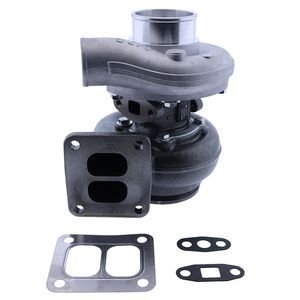
S200 Turbocharger RE508719 for John Deere 4045/6068 – Service Part
<p><strong>S200 Turbocharger RE508719 service part</strong> — replacement for John Deere 4045/6068 engines, Ni-resist ductile iron turbine housing, 1.2–1.8 bar boost range.</p> <ul> <li>Plan proactive swap intervals around rising exhaust temps, unstable boost, or increased oil consumption to avoid downstream damage to valves and piston rings</li> <li>Assess inlet/outlet manifolds, intercooler, and oil return lines during change-out to prevent secondary failures</li> <li>Compatible with over 50 engine variants including 6068HF258 and 4045DF150, supporting aging fleet uptime</li> </ul> <p>Cross-reference verified; older John Deere models remain continuously supplied.</p>
Lead Time
2-5 Days
Warranty
3-12 Months
Min. Order
1 Piece
Ships To
120+ Countries
Request a Quote
Response within 24 hours
Product Details
Aged Fleet Support — replacement turbochargers for discontinued John Deere 4045 and 6068 applications remain in production and ready to plan into your maintenance cycle.
Technical Specifications
| Parameter | Value |
|---|---|
| Part Number | RE508719 |
| Product Type | Turbocharger |
| Cross-Reference | RE508719, 471050-5002S, 471050-0001, 471050-0002, 471050-0003, 471050-0006, 471050-0008, 471050-0017, 471050-0019, 471050-0020, 471050-0021, 471050-0023, 177263, 471050-0025, RE509384, RE59998, RE60000, RE60388, RE69157, SE500276, SE502219, 471050-5008S, 471050-9008S, 471050-8 (reference only) |
| Machine Fitment | John Deere 200LC, 230LC, 230LCR, 230LCRD, 270LC, 200CLC, 230CLC, 270CLC, 690ELC, 2054, 2554, 700H, 700J, 653E, 710D, 710G, 740, 7715, 7815, 435, 335, 1450CWS, 1450WTS, 7185J, 7205J, 7220, 7420, 643G, 653G, 6140J, 7425, 1170, 1450, 1550CWS, 1550S, 1550WTS, 330B, 540G, 840, 7405, 548G, 640G, 648G, 740G, 748G, 6615, 6715, 7320, 7520, 9935, 7455, 6155J, 7525, 6155JH, SE6920, 643H, 843H, 430B, 4990, 4995, 360D, 540G-III, 548G-III, 540G-II, 548G-II, 843G, 548GIII, 360DC, 540GIII; Hitachi EX200LC-5, EX230LC-5, LX100-5 |
| Part Name | S200 Turbocharger |
| Condition | New Aftermarket |
| Warranty | 3–12 months against manufacturing defects |
| Turbine Housing Material | Ni-resist ductile iron (ASTM A439 Type D-2) |
| Compressor Wheel Material | Forged 7075-T6 aluminum alloy, 5-axis CNC-machined blades |
| Bearing Type | Dual ceramic ball bearings, synthetic high-temp grease rated to 220°C |
| Sealing Surface Finish | Ra ≤ 0.8 μm |
| Shaft Journal Hardness | HRC 58–62 |
| Boost Pressure Range | 1.2–1.8 bar across 1,800–2,400 rpm |
| Pressure Ratio | 2.35:1 |
| Rotational Inertia | 0.0018 kg·m² |
| Certification | ISO 9001, SAE J1927, ISO 8573-1 Class 2, ASTM A439 Type D-2 |
Application Suitability
| Service Interval | What to Check |
|---|---|
| Planned turbo replacement at high-hour service | Inspect exhaust manifold studs, oil supply and return lines, and intercooler core for carbon or oil residue before fitting the new S200 Turbocharger RE508719 service part / maintenance replacement |
| Seasonal fleet overhaul window | Verify boost pressure baseline, check for shaft play on the outgoing unit, and confirm compressor wheel condition to determine if adjacent intake components need attention |
| Aging John Deere 4045 / 6068 engine life-extension program | Cross-check engine serial variant (e.g., 6068HF258, 4045DF150) against the turbo variant list, and review prior rebuild history for oversize bearings that may affect oil pressure to the turbo |
| Rental fleet turnover maintenance | Log operating hours at return, note any black smoke or lag reported by the operator, and schedule turbo inspection before the next rental dispatch |
| Harvest or logging season preparation | Test boost response under load, examine turbine housing for heat cracking, and confirm oil drain line is clear to prevent oil pooling in the turbo center section |
Why Fleets Lose Machines to a Part That Was Predictable
Most turbo failures on John Deere 4045 and 6068 engines do not happen suddenly — they announce themselves for weeks before the machine goes down.
On job sites I have visited across the Gulf region, excavators and loaders sit idle not because a turbocharger failed without warning, but because no one planned for its replacement. The S200 Turbocharger RE508719 service part / maintenance replacement is exactly the kind of component that disappears from OEM catalogs while the machines it serves are still working full shifts. Fleet managers who wait for black smoke or power loss before ordering are already behind — by then, oil has entered the intake tract, and the repair scope expands from a single component to a system-level teardown [NEED_CITE: turbocharger failure progression and downstream engine damage in diesel applications].
The gap between a serviceable turbo and a failed one is often measured in oil consumption trends and slight boost pressure drift, signals that get buried in daily site noise. When procurement reacts only after a hard failure, the machine has already lost productive days, and secondary damage to intercooler cores and intake valves compounds the downtime.
Positioning the Turbo in the Machine’s Service Life
Every diesel turbocharger has a finite bearing life governed by thermal cycling and oil quality. For the John Deere 4045 and 6068 platforms powering excavators, wheel loaders, and harvesters, the S200 Turbocharger RE508719 service part / maintenance replacement sits at a point in the service cycle where proactive exchange is more economical than running to failure. Operators who track hours and schedule turbo inspection at major service intervals avoid the cascading cost of ingesting metal debris into the combustion chamber.
Fleet-level planning means treating the turbo as a scheduled consumable rather than an emergency purchase. Machines in continuous high-load applications — quarry digging, forestry, port operations — accumulate thermal stress faster than units in intermittent use. Aligning replacement timing with planned engine-adjacent maintenance windows ensures the machine opens once, not twice [NEED_CITE: planned versus reactive maintenance cost models for heavy equipment fleets].
Wear Signals That Should Trigger a Procurement Decision
Boost pressure instability under load is usually the first measurable sign. An operator may notice slower cycle times on an excavator or reduced ground speed on a loader before any warning lamp appears. Exhaust gas temperature trending upward at a given throttle position indicates the turbine is no longer moving air efficiently, often due to carbon buildup on the turbine wheel or bearing wear allowing the shaft to wobble.
Oil consumption rising without visible external leaks often traces to turbo seal degradation. Oil passes the center-section seals into the compressor side, coating the intercooler and eventually reaching the intake valves. Once this pathway opens, replacing the turbo alone will not fully restore performance — the intercooler needs flushing and the intake tract needs inspection. Planning the S200 Turbocharger RE508719 service part / maintenance replacement before seals fail keeps the repair contained to a single component swap.
Shaft play is the simplest field check. With the engine off and cool, removing the intake boot and checking the compressor wheel for radial and axial movement reveals bearing condition. Any perceptible wobble means the turbo is past its serviceable life, even if boost numbers still look acceptable on a gauge [NEED_CITE: field inspection methods for turbocharger bearing wear in off-highway diesel engines].
Decoding the Specification Sheet for Real-World Decisions
The turbine housing is cast from Ni-resist ductile iron meeting ASTM A439 Type D-2, chosen for thermal fatigue resistance. Exhaust gas temperatures in turbocharged diesels cycle through wide ranges every work shift, and standard grey iron cracks under repeated expansion and contraction. Ni-resist maintains structural integrity through these cycles, which directly affects how long the housing lasts before heat-checking forces a replacement.
The compressor wheel is machined from forged 7075-T6 aluminum on a 5-axis CNC, producing blade profiles that match the original pressure ratio of 2.35:1. This ratio determines how much air the turbo delivers at a given exhaust energy level. A compressor wheel that does not reproduce this ratio will either under-boost the engine — causing fuel-rich combustion and soot buildup — or over-boost, risking detonation under load. The 5-axis machining ensures blade geometry is consistent unit to unit.
Dual ceramic ball bearings pre-lubricated with synthetic grease rated to 220°C address the most common failure point in turbochargers: bearing collapse from oil starvation during hot shutdowns. Ceramic balls tolerate higher temperatures than steel before lubricant breakdown, giving the operator a wider margin when the engine is switched off after a heavy shift and oil circulation stops while the center section is still heat-soaked.
The sealing surface finish of Ra ≤ 0.8 μm and shaft journal hardness of HRC 58–62 work together to maintain seal integrity over extended run hours. A rougher surface accelerates seal ring wear, while a softer journal allows the shaft to deform under radial load. Both conditions lead to oil migration past the seals and into the intake or exhaust side.
The Compounding Cost of Reactive Turbo Procurement
A fleet that treats turbochargers as emergency purchases accumulates downtime in ways that are hard to reverse. When a turbo fails in service, metal fragments from disintegrating bearings can travel downstream into the intercooler and, in severe cases, into the intake manifold. The repair then expands from swapping one component to flushing the entire intake path and potentially replacing the intercooler core.
Machines sent back to work with a new turbo but a contaminated intercooler often return with the same symptoms within weeks. Oil residue baked onto intercooler fins restricts airflow, mimicking the under-boost condition that prompted the original turbo replacement. The machine cycles through repeated troubleshooting, each visit consuming technician hours and keeping the asset out of revenue service [NEED_CITE: secondary damage patterns following turbocharger bearing failure in mobile diesel equipment].
For older John Deere models where OEM support has thinned, the risk intensifies. Lead times for discontinued turbochargers through original channels stretch into months. Fleets without a planned spare on the shelf face the choice of extended downtime or fitting an unverified substitute, both of which erode project schedules and maintenance budgets.
Why Source This Turbocharger Through XUNPO
Own production on selected turbocharger lines and qualified sourced supply on others means every S200 Turbocharger RE508719 service part / maintenance replacement ships under one account and one warranty. There is no split responsibility between a manufacturer and a trading intermediary if a claim arises.
Eight product categories — engine, hydraulic, electrical, undercarriage, cabin, seals, tools, and general spares — allow a complete service order to consolidate into a single consignment. When a fleet schedules a turbo replacement, the associated gaskets, oil lines, and filters ship in the same dispatch rather than arriving from separate suppliers on separate timelines.
One-piece minimum order applies. A fleet needing a single turbo for a specific machine is not blocked by batch quantity requirements, which matters when managing aging equipment where consumption is low but criticality is high.
Cross-reference verification covers superseded and alternate numbers across the full RE508719 family, including RE509384, RE59998, RE60000, and others listed in the reference table. Part numbers that have been reissued or consolidated across engine generations are mapped so that the correct variant ships for the specific engine serial.
Technical team support is available to confirm compatibility and variant selection from a machine model, engine serial, or nameplate photograph — critical when machine nameplates are worn or painted over and the only starting point is the model designation.
Sample supply before bulk commitment lets a fleet verify fitment on one machine before ordering for the rest, removing guesswork when managing mixed-age fleets across multiple sites.
Documentation & Verification
- Commercial invoice and packing list itemizing each turbocharger by cross-reference number and destination machine
- Part compatibility sheet confirming engine variant match for RE508719 (reference only) and associated numbers
- Quality inspection record covering shaft runout, balance check, and housing dimensional verification
- Warranty terms document specifying coverage period and claim procedure for manufacturing defects
- Packing photographs showing foam cushioning and carton reinforcement before dispatch
- HS code and customs documentation support for destination-country import clearance
Service Interval & Stocking Guidance
- Schedule turbocharger inspection at each major engine service event, checking shaft play and boost baseline against recorded values
- Log oil consumption trends monthly — a rising trend without external leaks points to turbo seal wear and should trigger procurement
- Maintain at least one spare S200 turbocharger per ten active machines on high-load sites to absorb unplanned failures without waiting for shipment
- Store spare turbochargers in sealed packaging, upright on the compressor housing, in a dry environment away from direct sunlight to preserve pre-lubricated bearing condition
- Rotate shelf stock by date received, using older inventory first to prevent grease settling in the bearing assembly over extended storage
- Cross-check engine serial variants across your fleet annually against the turbo compatibility list, as superseded part numbers may consolidate coverage
Requesting a Maintenance Plan Quote
Provide your fleet list with machine models, engine serial numbers, and current operating hours. This allows a replacement schedule to be mapped against your existing service windows, with turbocharger quantities matched to your projected consumption over the next maintenance cycle. If engine nameplates are illegible, a photograph of the existing turbocharger data plate or the engine block casting number is sufficient to confirm the correct variant.
Frequently Asked Questions
Q: How many operating hours before a turbocharger on a John Deere 4045 or 6068 should be considered for planned replacement?
A: There is no universal hour threshold because duty cycle and maintenance history vary significantly. Machines in continuous high-load service — quarry, mining, or forestry — accumulate thermal stress faster than units in lighter applications. The practical approach is to inspect the turbo at every major engine service interval, recording shaft play and boost readings. When these values drift from baseline, plan the replacement at the next scheduled downtime window rather than waiting for a hard failure.
Q: What symptoms indicate the turbocharger is entering its wear-out phase?
A: Early signs include gradual boost pressure decline under load, rising exhaust gas temperature at normal throttle positions, and unexplained increases in oil consumption. Operators may report slower hydraulic cycle times or reduced travel speed. A field check for shaft play on the compressor wheel confirms bearing condition. Any detectable radial or axial movement means the turbo should be scheduled for replacement, even if the machine has not yet lost significant power.
Q: When replacing the turbo, which adjacent components should be inspected or replaced at the same time?
A: The oil supply and return lines should be checked for restriction, as a blocked return line causes oil to pool in the turbo center section and accelerates seal failure. The intercooler core should be inspected for oil residue, particularly if the outgoing turbo showed seal leakage. Exhaust manifold gaskets and studs are worth replacing while access is open, since heat cycling makes them prone to failure independently.
Q: How many spare turbochargers should a fleet keep in stock?
A: Stocking guidance depends on fleet size, machine age, and duty severity. A common starting point is one spare turbo per eight to twelve active machines in demanding applications. Older fleets operating past typical OEM support windows may justify a higher ratio, since lead times for discontinued variants are longer. Review consumption history over the prior year and adjust the buffer to cover at least one replacement cycle without an emergency order.
Q: Will aftermarket turbocharger supply continue for older John Deere 4045 and 6068 engine variants?
A: Yes. These engines power a wide installed base of excavators, loaders, and agricultural machines still in active service globally. Aftermarket production continues for high-demand turbocharger variants because the machine population justifies ongoing tooling. The cross-reference list covers superseded numbers across multiple engine generations, ensuring that variants such as 6068HF258 or 4045DF150 remain supported even when original equipment channels have discontinued the part.
Compatible Brands
Our parts are engineered to meet or exceed OEM specifications. Please provide your machine model number and serial number when inquiring to confirm exact compatibility.
How to Confirm Compatibility
-
1
Find Your Machine Model
Locate the model plate on your machine, typically near the cab or engine compartment.
-
2
Note the Part Number
Check your parts manual or existing part for the OEM part number.
-
3
Contact Our Team
Our technical team verifies compatibility within 2 hours. Send us the details via the inquiry form or WhatsApp.
Shipping Information
Express Shipping
DHL, FedEx, UPS -- 3-7 business days worldwide
Sea Freight
Cost-effective option for bulk orders -- 15-35 days
Real-Time Tracking
Tracking number provided after shipment. 24/7 support available.
Warranty Policy
All parts come with manufacturer warranty. Duration varies by product category.
- Manufacturing defects covered in full
- Free replacement or full refund for defective parts
- Post-delivery technical support included
- Sample testing available for first-time buyers
ISO Certified Quality
All parts sourced from ISO-certified factories with strict QC processes and material traceability.
Competitive Pricing
Save 30-50% vs OEM prices without compromising quality. Transparent pricing with no hidden fees.
Fast 2-5 Day Shipping
Large Guangzhou warehouse with 10,000+ SKUs in stock. Most orders ship within 2-5 business days.
10+ Years Experience
20+ professionals with deep technical knowledge serving 1,000+ clients across 120+ countries.
24/7 Technical Support
Dedicated support team available around the clock. Part verification within 2 hours of inquiry.
Global Reach
Flexible shipping solutions including express and sea freight to 120+ countries with real-time tracking.
Related Products
More parts you might need

Emission & Exhaust System
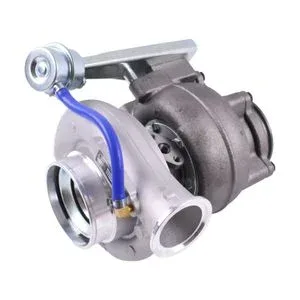
Turbocharger HX40W Replacement for Cummins QSL ISL ISC8.3 Long-Life
View Details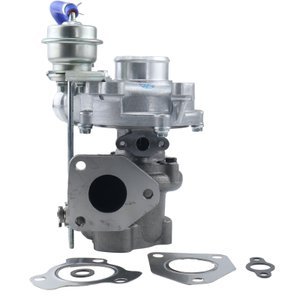
Emission & Exhaust System
K03 Turbocharger 7256748 for Doosan D34 Engine – High-Performance Replacement
View Details
Emission & Exhaust System
RHF3H Turbocharger 7000677 7020831 Replacement for Bobcat S160 S185 Service Part
View DetailsNeed a Custom Quote?
Our technical team responds within 24 hours. MOQ 1 piece. Ships to 120+ countries from our Guangzhou warehouse.