

Emission & Exhaust System

Emission & Exhaust System
ISO Certified
Ships 2-5 Days
MOQ 1 Piece
Emission & Exhaust System
TD04L4 Turbocharger Service Part for Kubota SVL75-2 Scheduled Maintenance
<ul> <li>Replacement interval guidance included with shipment to support your preventive maintenance scheduling.</li> </ul>
Lead Time
2-5 Days
Warranty
3-12 Months
Min. Order
1 Piece
Ships To
120+ Countries
For Kubota
Kubota SVL75-2 Parts
Service Part
TD04L4
turbocharger
V3307-DI Engine
Request a Quote
Response within 24 hours
Prefer instant chat?
WhatsApp
Product Details
Fleet Stocking Strategy — TD04L4 turbocharger replacements planned around V3307-DI engine service intervals, with one spare unit per fleet block to eliminate reactive purchasing gaps.
Technical Specifications
| Parameter | Value |
|---|---|
| Part Number | TD04L4 |
| Product Type | Turbocharger |
| Cross-Reference | 1J774-17010, 1J774-17012, 1J774-17013, 1J774-17014, 1J774-17015, 1J774-17016, 49177-03250, 49177-03251, 49177-03252, 49177-03253, 49177-03254 (reference only) |
| Machine Fitment | Kubota SVL75-2, SVL75-2C |
| Engine Fitment | Kubota V3307-DI-T-E3B, V3307-DI-TE3-Q |
| Model Variants | TD04L4-09T, TD04L4-09TK3-5.0 |
| Condition | New Aftermarket |
| Warranty | 6 months against manufacturing defects |
| Maximum Boost Pressure | 1.8 bar |
| Maximum Operating Temperature | 750°C |
| Maximum Rotational Speed | 150,000 rpm |
| Compressor Wheel Material | 7075-T6 Aluminum Alloy |
| Turbine Housing Material | Ni-Resist D5S Ductile Iron |
| Shaft Play Tolerance | < 0.05 mm |
| Standards | ISO 9001 |
Application Suitability
| Service Interval | What to Check |
|---|---|
| 2,000–2,500 operating hours | Boost pressure consistency, shaft play, oil feed line condition |
| 3,000–4,000 operating hours | Compressor wheel leading-edge erosion, turbine housing heat cracks, wastegate response |
| Between rental turnaround cycles | Intake tract contamination, exhaust manifold gasket sealing, intercooler restriction |
| Aging SVL75-2 past peak brand support | Superseded OEM number mapping, adjacent intake and exhaust component availability |
Why Reactive Turbo Replacement Drains Fleet Uptime
Most skid steer fleets replace the turbocharger only after catastrophic failure, turning a planned maintenance window into an unplanned downtime event. The TD04L4 turbocharger service part belongs in a scheduled maintenance plan, not a breakdown response.
I spent years handling warranty claims on SVL75-2 units in Chilean copper mine operations. The pattern was always the same: a machine comes in with low boost, the workshop swaps just the turbo core, and the unit goes back to work. Three months later it returns with the same complaint — because the oil feed line was already degraded, the air filter housing had a hairline crack feeding dust past the compressor, or the exhaust-side gasket was leaking enough to alter backpressure. The turbocharger service part took the blame each time, but the root cause was a fragmented maintenance approach [NEED_CITE: diesel engine turbocharger failure root cause analysis methodology].
Fleet managers who treat turbo replacement as an isolated event consistently underestimate the compounding cost of secondary damage and repeat labor.
Where the Turbocharger Sits in the V3307-DI Service Life
The Kubota V3307-DI-T-E3B and V3307-DI-TE3-Q engines run the TD04L4 turbocharger under continuous load in skid steer applications — quarry loading, port material handling, urban construction debris work. These are high-cycle, high-thermal-stress environments where the turbo operates near its 150,000 rpm ceiling for extended periods. A turbocharger service part at this stage of the engine’s life is not an unexpected failure; it is a predictable wear item with a definable replacement window.
Fleets running multiple SVL75-2 units can map that window by tracking oil consumption trends and boost pressure readings across the fleet, identifying which machines are approaching the threshold before symptoms become complaints.
Reading the Wear Progression Before Failure Forces Your Hand
Boost pressure that drops incrementally across consecutive service intervals is the earliest reliable indicator. Abnormal high-frequency whine under load, visible oil consumption increase without external leaks, and soot accumulation around the turbine housing flange all point to a turbocharger approaching end of service life. None of these symptoms require the machine to be pulled from duty immediately, but they do define a planning horizon [NEED_CITE: turbocharger wear symptom monitoring for diesel loader engines].
When these indicators appear, the replacement decision should trigger inspection of the oil feed and drain lines, air filter assembly, exhaust manifold gasket, and intercooler condition — because replacing the turbocharger service part without addressing these adjacent items invites repeat failure within the next service cycle.
Interpreting Material and Tolerance Specifications
The 7075-T6 aluminum alloy compressor wheel resists leading-edge erosion from particulate ingestion far better than cast alternatives, which matters in quarry and demolition environments where air filtration is under constant stress. The Ni-Resist D5S ductile iron turbine housing handles thermal cycling up to 750°C without the heat-cracking that plagues standard grey iron housings in continuous-duty skid steer operation. Shaft play tolerance held below 0.05 mm ensures the floating bearing system maintains oil film integrity at sustained high rotational speeds — when this tolerance opens, oil consumption rises and compressor efficiency drops before any audible symptom appears.
These material and tolerance choices define the replacement interval: a turbocharger service part built to these specifications earns its place in a planned maintenance schedule rather than a reactive repair order.
The Cumulative Cost of Treating Turbo Failure as Isolated
A fleet that replaces turbos reactively accumulates hidden costs in ways that never appear on a single repair invoice. Each unplanned turbo failure means the machine was already losing productivity through reduced boost before it was pulled from service. The emergency replacement rarely includes adjacent component inspection, so the new turbo inherits the same degraded oil supply or contaminated intake tract that killed its predecessor. Within a year, the same machine returns for another turbocharger service part — and the maintenance budget shows a pattern of repeat failures that looks like a product quality problem when it is actually a planning problem [NEED_CITE: fleet maintenance cost modeling for compact track loader powertrain components].
The compounding effect across a multi-unit fleet is significant: staggered unplanned downtime events, emergency freight costs, and labor hours spent diagnosing the same root cause repeatedly.
Why Source This Turbocharger Through XUNPO
Our own production lines and qualified sourced supply operate under one warranty and one account, so a fleet stocking TD04L4 turbochargers alongside undercarriage, hydraulic, and electrical parts ships as a single consignment. Every turbocharger service part is verified against superseded OEM cross-reference numbers across Kubota SVL75-2 machine generations, eliminating the mismatch risk that arises when older units carry updated engine variants. Sample supply is available for fitment confirmation before bulk fleet orders commit.
Minimum order starts at one piece, so a single emergency replacement and a full fleet stocking order receive the same quality documentation and warranty terms. Our technical team confirms engine serial variant matching — V3307-DI-T-E3B versus V3307-DI-TE3-Q — before dispatch, not after installation reveals a fitment issue.
Documentation & Verification
- Commercial invoice listing TD04L4 with engine variant confirmation for fleet records
- Cross-reference sheet mapping OEM numbers (reference only) to current TD04L4 variants
- Dimensional inspection record covering shaft play and flange flatness before dispatch
- Six-month warranty terms covering manufacturing defects under normal operating conditions
- Packing photographs documenting protective wrapping and crate condition at shipment
- HS code and customs documentation prepared for international fleet supply chains
Service Interval & Stocking Guidance
- Track boost pressure and oil consumption trends to define TD04L4 replacement window per machine
- Inspect oil feed line, air filter housing, and exhaust gasket at every turbo service interval
- Stock one spare TD04L4 per set number of SVL75-2 units to eliminate wait-time exposure
- Store turbochargers vertically in sealed packaging to prevent bearing brinelling during shelf life
- Rotate fleet spare stock on a first-in basis to keep warranty coverage current
Request a Fleet Maintenance Quote
Provide your SVL75-2 machine model list, engine serial numbers, and current operating hours so we can map the correct TD04L4 variant to each unit and recommend a stocking quantity. If your fleet includes older machines with superseded OEM numbers, include those references for cross-reference verification. We will return a consolidated maintenance package proposal covering the turbocharger service part alongside adjacent intake, exhaust, and lubrication components for your next planned service window.
Frequently Asked Questions
Q: What operating hours or symptoms indicate the TD04L4 is approaching end of service life?
A: On Kubota V3307-DI engines in continuous skid steer duty, gradual boost pressure decline across consecutive service intervals is the most reliable early indicator. Abnormal whine under load and rising oil consumption without visible leaks typically appear later. Most fleets begin planning replacement between 2,000 and 4,000 operating hours depending on site dust levels and air filter maintenance discipline.
Q: Should I replace just the turbo or address adjacent intake and exhaust components at the same time?
A: Replacing only the turbocharger service part without inspecting the oil feed line, air filter housing, exhaust manifold gasket, and intercooler invites repeat failure. A degraded oil supply line that starved the previous turbo will do the same to the new one. Planning the swap as a system service event captures these adjacent items in the same labor window and extends the next replacement interval.
Q: How many spare turbos should a fleet of SVL75-2 loaders keep on hand?
A: A common rule is one spare TD04L4 per block of machines in the fleet, adjusted upward for units operating in high-dust or continuous-duty environments. This eliminates reactive purchasing and emergency freight costs while keeping warranty coverage active through regular stock rotation. Fleet size and utilization intensity determine the exact ratio.
Q: My machine is an older SVL75-2 — will this turbocharger still be available in future years?
A: Yes. The TD04L4 covers multiple Kubota engine variants across SVL75-2 production generations, including superseded OEM part numbers mapped through cross-reference verification. We maintain supply continuity for aging fleet units past peak brand support, and sample orders are available to confirm fitment before committing to fleet-scale stocking.
Q: What engine serial details do I need to provide for correct fitment confirmation?
A: The V3307-DI-T-E3B and V3307-DI-TE3-Q variants use different turbo configurations despite sharing the same base engine family. Provide your engine serial number and machine model plate details so we can verify the correct TD04L4 variant. A photograph of the existing turbo nameplate or OEM label accelerates confirmation when serial records are incomplete.
Compatible Brands
CAT
KOMATSU
HITACHI
VOLVO
HYUNDAI
DOOSAN
KOBELCO
SANY
XCMG
Our parts are engineered to meet or exceed OEM specifications. Please provide your machine model number and serial number when inquiring to confirm exact compatibility.
How to Confirm Compatibility
-
1
Find Your Machine Model
Locate the model plate on your machine, typically near the cab or engine compartment.
-
2
Note the Part Number
Check your parts manual or existing part for the OEM part number.
-
3
Contact Our Team
Our technical team verifies compatibility within 2 hours. Send us the details via the inquiry form or WhatsApp.
Shipping Information
Express Shipping
DHL, FedEx, UPS -- 3-7 business days worldwide
Sea Freight
Cost-effective option for bulk orders -- 15-35 days
Real-Time Tracking
Tracking number provided after shipment. 24/7 support available.
Warranty Policy
3-12
Months Warranty
All parts come with manufacturer warranty. Duration varies by product category.
- Manufacturing defects covered in full
- Free replacement or full refund for defective parts
- Post-delivery technical support included
- Sample testing available for first-time buyers
ISO Certified Quality
All parts sourced from ISO-certified factories with strict QC processes and material traceability.
Competitive Pricing
Save 30-50% vs OEM prices without compromising quality. Transparent pricing with no hidden fees.
Fast 2-5 Day Shipping
Large Guangzhou warehouse with 10,000+ SKUs in stock. Most orders ship within 2-5 business days.
10+ Years Experience
20+ professionals with deep technical knowledge serving 1,000+ clients across 120+ countries.
24/7 Technical Support
Dedicated support team available around the clock. Part verification within 2 hours of inquiry.
Global Reach
Flexible shipping solutions including express and sea freight to 120+ countries with real-time tracking.
Related Products
More parts you might need
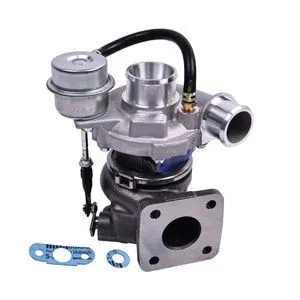
Emission & Exhaust System
GT1241Z Turbocharger 7030304 – Service Part for Doosan D24 Bobcat
View Details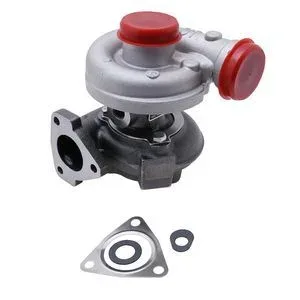
Emission & Exhaust System
Turbocharger 6690633 for Deutz BF4M2011 & Bobcat Skid Steer – Fleet Supply
View Details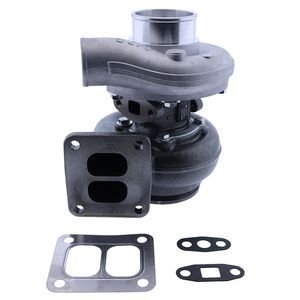
Emission & Exhaust System
S200 Turbocharger RE508719 for John Deere 4045/6068 Engines – Direct Replacement
View DetailsNeed a Custom Quote?
Our technical team responds within 24 hours. MOQ 1 piece. Ships to 120+ countries from our Guangzhou warehouse.