
Belt Drive Systems
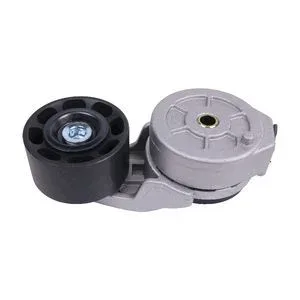
Belt Tensioner 3976832 3911621 for Cummins 4B3.9 6B5.9 Hyundai – Service Part
<p><strong>Belt Tensioner 3976832 3911621</strong>, replacement for Cummins 4B3.9 / 6B5.9 and Hyundai R-series engines, ISO 9001 certified — a predictable wear item in the belt drive system.</p> <ul> <li>Replace at scheduled service intervals or when squealing noise, irregular arm movement, or visible belt wear appears; pair with serpentine belt and idler pulleys for full belt drive service</li> <li>Supports ageing Hyundai R290LC-3, HL740-3, and Cummins B/C-series fleets where brand supply is thinning</li> <li>Cross-reference interchange: 3937556, 3936207, 3934823, 3922901</li> </ul> <p>Replacement interval recommendations included with every shipment to align with your fleet maintenance schedule.</p>
Lead Time
2-5 Days
Warranty
3-12 Months
Min. Order
1 Piece
Ships To
120+ Countries
Request a Quote
Response within 24 hours
Product Details
Fleet Stocking & Lifecycle Planning — We map superseded tensioner numbers against your Cummins and Hyundai engine serials to prevent planned maintenance from turning into emergency downtime.
Technical Specifications
| Parameter | Value |
|---|---|
| Part Number | 3976832 3911621 |
| Product Type | Belt Tensioner |
| Cross-Reference | 3976832, 3911621, 3937556, 3936207, 3934823, 3922901, 3973825, 3936208, 3934824, 3928748, 3279446, 4063951 (reference only) |
| Machine Fitment | Cummins 4B3.9, 6B5.9, 6C8.3, B5.9 G, C GAS PLUS CM556, C8.3 G, ISB CM550, QSB5.9 CM550, QSB5.9 CM850, 4BT3.9, 6BT5.9, ISB3.9, ISB4.5, QSB3.9, 6C, 6CT, 6CTA, 6CTAA, C8.3L, Hyundai R305LC-7, R290LC-7, R290LC-3, R250LC-7, HL757-7, HL740-9B, HL740-9S, HL760, HL740-3, HL740TM-3, HL750-3, HL720-3C, HL730-3, M939 series |
| Condition | New Aftermarket |
| Warranty | 3–12 months against manufacturing defects |
| Quality Standard | ISO 9001 |
Application Suitability
| Service Interval | What to Check |
|---|---|
| Every major service (250–500 hours) | Inspect tensioner arm movement for irregular sweep or binding |
| Belt replacement cycle | Check tensioner pulley surface for grooving and bearing play |
| Engine overhaul or top-end refresh | Replace tensioner with belt and idler pulleys as a matched set |
| Pre-season fleet inspection | Listen for squealing at cold start and verify belt tracking alignment |
| Component swap on ageing R-series excavators | Confirm engine serial to verify correct tensioner variant among superseded numbers |
Why a Worn Tensioner Costs More Than the Part Itself
A failed belt tensioner does not just stop the belt—it takes the water pump, alternator, and sometimes the fan drive with it.
When a tensioner seizes on a Cummins 6B5.9 in a Hyundai R305LC-7, the serpentine belt goes slack within seconds. Coolant temperature climbs, the alternator stops charging, and the machine is down on site. In my time working around mining fleets in West Africa, I have seen multiple R305LC-7 units sit idle for days waiting for a belt drive service part, not because the belt itself was hard to source, but because the tensioner was never on the preventive replacement list [NEED_CITE: preventive maintenance scheduling for heavy equipment belt drive systems]. The real cost is never the component—it is the machine hours lost while you wait for freight.
Fleet operators who treat the belt tensioner as a scheduled wear item rather than a run-to-failure part avoid this cascade. The replacement interval is predictable, the cost is modest, and the part is small enough to keep in site-level stock.
Where This Tensioner Sits in the Machine’s Service Life
The belt tensioner occupies a midpoint in the belt drive system’s wear progression. The belt itself is the first item to show visible wear—cracking, glazing, fraying edges. The tensioner is the second. By the time the tensioner arm no longer holds steady sweep, the belt has likely been slipping for some time, and the pulley bearing inside the tensioner has accumulated enough play to generate noise. Replacing the tensioner at the same service interval as the belt prevents the belt tensioner service part maintenance cycle from becoming a repeated intervention.
Reading the Wear Signs Before the Machine Stops
Squealing at cold start is the earliest audible indicator that the tensioner spring is losing force. As the condition progresses, the tensioner arm begins to oscillate visibly at idle, and the belt may track off-center on the pulley grooves. At the final stage, the internal bearing seizes, the pulley locks, and the belt is thrown or shredded. These stages typically unfold across hundreds of operating hours, which means a scheduled inspection at each major service interval catches the problem long before failure [NEED_CITE: belt drive system failure progression in diesel engines].
Interpreting the Specification Set for Fleet Planning
The cross-reference chain for this tensioner spans twelve superseded or alternate numbers—3937556, 3936207, 3934823, 3922901, 3973825, 3936208, 3934824, 3928748, 3279446, and 4063951—reflecting revisions made as Cummins updated the B-series and C-series engine platforms over multiple production generations. The physical differences between variants can include arm length, pulley diameter, and mounting bolt pattern. Ordering by engine serial number rather than by a single part number ensures the correct variant reaches the machine. The ISO 9001 manufacturing standard applied here means dimensional consistency across production runs, so a tensioner ordered today matches the one stocked last year.
The Cumulative Cost of Reactive Tensioner Procurement
Reactively sourcing a tensioner after a belt failure means the machine has already been down for hours or days by the time the part arrives. For a mining excavator operating on a production target, that unplanned stoppage compounds across the fleet. Worse, a tensioner that fails in service often damages the serpentine belt beyond reuse, meaning two parts must now be sourced instead of one. When the same failure repeats on a second machine because the fleet stocking plan was never updated, the maintenance team is effectively paying for the same emergency twice [NEED_CITE: cost impact of unplanned equipment downtime in mining operations].
What Makes This Source Work for Fleet-Level Buyers
Production on selected belt drive lines and qualified sourcing on the remainder means the same warranty terms apply whether the tensioner comes from the Guangzhou facility or a certified partner. Eight product categories under one account allow you to add belts, idler pulleys, filters, and seal kits to the same order, so a complete service kit ships as one consignment. Minimum order from a single piece means you can stock one spare for a remote site without committing to bulk quantities. Cross-reference verification covering all twelve superseded numbers means you can audit your existing stock against current engine serials before placing a reorder. Technical support is available to confirm the correct variant when machine nameplates are worn or painted over.
Documentation & Verification
- Commercial invoice listing each tensioner variant against its engine serial assignment
- Cross-reference sheet mapping superseded numbers with reference only notation
- Dimensional inspection record covering arm geometry and pulley bore tolerance
- Warranty terms document specifying coverage period and defect scope
- Packing photographs taken before crate closure for shipment verification
- HS code and export documentation support for destination customs clearance
Service Interval & Stocking Guidance
- Replace the tensioner at every second belt change or at the manufacturer’s recommended engine service interval, whichever arrives first.
- Inspect arm sweep and pulley bearing play at each 250-hour service to catch early-stage wear before it progresses.
- Stock one tensioner per machine for remote-site fleets and two for high-utilization units operating above 2,000 hours annually.
- Store tensioners in sealed packaging away from moisture and direct sunlight to prevent spring corrosion before installation.
- Label stored units with engine serial and machine model to avoid variant mix-ups during urgent maintenance.
Planning Your Next Belt Drive Reorder
Provide your fleet list with machine models, engine serial numbers, and current operating hours. We will map each unit to the correct tensioner variant from the superseded number chain and recommend stock quantities aligned with your service schedule.
Frequently Asked Questions
Q: How often should the belt tensioner be replaced on a Cummins 6B5.9 or Hyundai R305LC-7?
A: The typical replacement point is every second belt change or at the engine manufacturer’s major service interval. For machines running high annual hours in mining or quarry applications, inspecting the tensioner arm and pulley bearing at each 250-hour service catches wear before it causes belt failure. Align the tensioner replacement with your existing fleet service schedule rather than setting a separate interval.
Q: What symptoms indicate the tensioner needs replacement before scheduled service?
A: Squealing at cold start, visible arm oscillation at idle, and off-center belt tracking all signal that the tensioner spring is losing force or the internal bearing has developed play. If any of these appear between scheduled services, pull the machine in for inspection. Waiting for the belt to throw means you are now replacing two components instead of one and the machine has already been down on site.
Q: Should I replace just the tensioner or the full belt drive kit at the same time?
A: If the belt is near its replacement interval, replacing both together avoids a second service stop. On higher-hour engines, idler pulleys and the water pump bearing should also be checked, as belt slippage from a weak tensioner accelerates wear on all driven accessories. A complete belt drive kit ordered at once consolidates freight and keeps the machine in the workshop for one visit instead of three.
Q: How many tensioners should a fleet of Hyundai excavators keep in stock?
A: One unit per machine is the baseline for site-level stock. For fleets with high utilization or remote operations where emergency freight is costly, two units per machine provides a buffer for back-to-back failures. Consolidating the order with belts and idler pulleys keeps freight cost per part lower and ensures all components for a full belt drive service are on hand.
Q: Can I still get belt drive service parts for older Hyundai R290LC-3 machines?
A: Yes. The cross-reference chain for this tensioner covers Cummins B-series and C-series engines used across multiple Hyundai excavator and loader generations, including the R290LC-3 and HL740-3 platforms. Provide the engine serial number so we can verify the correct tensioner variant among the superseded numbers and confirm stock availability for your legacy fleet.
Compatible Brands
Our parts are engineered to meet or exceed OEM specifications. Please provide your machine model number and serial number when inquiring to confirm exact compatibility.
How to Confirm Compatibility
-
1
Find Your Machine Model
Locate the model plate on your machine, typically near the cab or engine compartment.
-
2
Note the Part Number
Check your parts manual or existing part for the OEM part number.
-
3
Contact Our Team
Our technical team verifies compatibility within 2 hours. Send us the details via the inquiry form or WhatsApp.
Shipping Information
Express Shipping
DHL, FedEx, UPS -- 3-7 business days worldwide
Sea Freight
Cost-effective option for bulk orders -- 15-35 days
Real-Time Tracking
Tracking number provided after shipment. 24/7 support available.
Warranty Policy
All parts come with manufacturer warranty. Duration varies by product category.
- Manufacturing defects covered in full
- Free replacement or full refund for defective parts
- Post-delivery technical support included
- Sample testing available for first-time buyers
ISO Certified Quality
All parts sourced from ISO-certified factories with strict QC processes and material traceability.
Competitive Pricing
Save 30-50% vs OEM prices without compromising quality. Transparent pricing with no hidden fees.
Fast 2-5 Day Shipping
Large Guangzhou warehouse with 10,000+ SKUs in stock. Most orders ship within 2-5 business days.
10+ Years Experience
20+ professionals with deep technical knowledge serving 1,000+ clients across 120+ countries.
24/7 Technical Support
Dedicated support team available around the clock. Part verification within 2 hours of inquiry.
Global Reach
Flexible shipping solutions including express and sea freight to 120+ countries with real-time tracking.
Related Products
More parts you might need


Need a Custom Quote?
Our technical team responds within 24 hours. MOQ 1 piece. Ships to 120+ countries from our Guangzhou warehouse.