
Emission & Exhaust System
H1C Turbocharger 3802289 for Cummins 6BT – Scheduled Maintenance
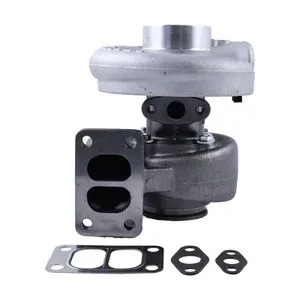
<p><strong>H1C Turbocharger 3802289, Cross-Reference 3522777 / 3528742, Cummins 6BT / 6BT-590 Engine</strong> — replacement for Cummins, J.I. Case, and DFM applications in construction, mining, and heavy-duty transport.</p> <ul> <li>Typical wear signs include shaft play increase, boost pressure decay, and oil seal leakage — early indicators that warrant replacement before secondary engine damage occurs.</li> <li>Plan intake gaskets, exhaust studs, and oil feed lines for replacement at the same service event to avoid rework.</li> <li>Replacement interval guidance and supply continuity for 1994–2009 era machines provided with your order.</li> </ul>
Lead Time
2-5 Days
Warranty
3-12 Months
Min. Order
1 Piece
Ships To
120+ Countries
Request a Quote
Response within 24 hours
Product Details
Fleet stocking plans — Replacement schedules for the H1C turbo align with Cummins 6BT overhaul intervals and duty cycle tracking.
Technical Specifications
| Parameter | Value |
|---|---|
| Part Number | 3802289 |
| Product Type | Turbocharger |
| Cross-Reference | 3522777, 3528742, 3528741, 3522778, 3526739, 3802302, 3802115, 466563-0001, 466563-0003, 447450-0051, 447450-0065, 3535415, 3535416, 3535417, 3535418, 3528740, 3528749, 3534829, 3534830, 3535430 (reference only) |
| Machine Fitment | Various with 6BT, 6BT-590, 6T-590 Engine (1994-09), XMQ Buses, Military Truck |
| Turbo Model | H1C, H1C-8243AF/E18DA11 |
| Compatible Engine | 6BT, 6BT-590, 6T-590 |
| Condition | New Aftermarket |
| Warranty | 3-12 months against manufacturing defects |
| MOQ | 1 piece |
| Standards | ISO |
Application Suitability
| Service Interval | What to Check |
|---|---|
| 2,000–3,000 Hours | Inspect shaft play, boost pressure decay, and oil seal leakage on H1C turbocharger |
| 5,000+ Hours | Assess exhaust manifold studs, intake manifold gaskets, oil feed and drain lines |
| Major Overhaul | Replace complete turbo assembly or cartridge depending on housing condition |
| Pre-Season Fleet Prep | Stock spare H1C units for high-utilization 6BT machines in construction/mining cycles |
Why Scheduled Turbo Service Matters More Than Reactive Swaps
Waiting for visible smoke or power loss turns a planned turbo swap into a downstream engine repair.
Fleet operators running Cummins 6BT engines often defer turbo inspection until performance drops become obvious. By the time excessive smoke or sluggish acceleration appears, turbine blade fragments may have already traveled through the intercooler and into the intake manifold. What should have been a straightforward turbocharger service part exchange now requires head removal and cylinder inspection. [NEED_CITE: turbo failure debris migration patterns in diesel air induction systems]
I’ve pulled turbos off 6BT-590 loaders where the shaft showed radial play well beyond spec, yet the machine was still running. The oil seal was weeping, carbon was building on the compressor side, and boost pressure had decayed by a noticeable margin. The crew kept pushing because the engine still turned over. Two weeks later, that unit ingested a turbine blade and destroyed the charge air cooler. Planning replacement around predictable wear markers eliminates this gamble.
Where the H1C Sits in Your Fleet’s Service Lifecycle
The H1C turbocharger operates as a wear component within the 6BT air induction system, not a lifetime part. Typical service life depends on duty cycle severity, oil change discipline, and air filtration maintenance. Machines in mining or heavy earthmoving accumulate thermal cycles faster than highway trucks, meaning the turbo wear part maintenance window arrives sooner.
Fleet maintenance planners should treat this unit as a scheduled consumable. When you track engine hours against your overhaul intervals, the turbo replacement node typically falls between major rebuilds. Aligning turbo swaps with other air-side and oil-side service events consolidates labor and prevents partial teardowns.
Wear Progression Markers and Linked Component Replacement
Early-stage H1C degradation shows up as increasing shaft play, gradual boost pressure loss, and oil film on the compressor outlet. These signs precede catastrophic failure by a meaningful margin. Inspecting the turbo at each oil change interval catches progression before debris escapes downstream.
When the turbo reaches replacement condition, adjacent components warrant attention. Exhaust manifold studs endure thermal fatigue and may snap during turbo removal. Intake manifold gaskets compress and lose seal integrity over repeated heat cycles. Oil feed lines accumulate carbon deposits that restrict flow to the new turbo’s bearing system. Oil drain lines sag or collapse, creating backpressure that forces oil past the new turbo’s seals. Replacing these linked items during the same service event avoids repeat downtime. [NEED_CITE: diesel engine turbo installation best practices for linked component inspection]
H1C-8243AF/E18DA11 Model Configuration and Engine Variant Matching
The H1C-8243AF/E18DA11 variant pairs with 6BT, 6BT-590, and 6T-590 engine configurations produced from 1994 onward. This turbo model uses a specific compressor and turbine wheel geometry matched to the 5.9-liter displacement and fuel delivery characteristics of these engines. Installing a turbo from a different flow family causes boost mismatch, excessive EGT, or lag that degrades performance and accelerates wear.
Cross-reference verification across the 25+ alternate part numbers associated with this turbo matters because Cummins and Holset revised numbering across production years and application variants. A part number valid for an XMQ bus application may not match a military truck configuration even though both use 6BT architecture. Confirming engine serial and build variant before ordering prevents fitment surprises during scheduled downtime.
The Cost of Skipping Lifecycle Planning
Machines that run past turbo service intervals accumulate hidden penalties. A turbo operating with degraded shaft bearings sends metal particles into the oil system, contaminating main and rod bearings downstream. The turbocharger service part cost becomes minor compared to a full engine teardown triggered by delayed replacement.
Fleets that adopt reactive procurement also face lead-time exposure. When a turbo fails unexpectedly, the machine sits idle while sourcing and shipping occur. High-utilization operations in construction and mining cannot absorb unplanned downtime without missing project deadlines. Holding spare H1C units sized to your fleet population eliminates this vulnerability and keeps replacement within planned maintenance windows. [NEED_CITE: fleet maintenance planning for predictable wear components in heavy equipment]
Supply Continuity for Aging 6BT Platforms
Machines from the 1994–2009 era face thinning brand dealer support as manufacturers shift focus to current-tier emissions platforms. Finding reliable aftermarket supply for H1C turbos becomes critical when OEM channels deprioritize legacy applications. Our inventory maintains these older configurations because fleets still depend on 6BT-powered equipment for daily production.
We produce selected part lines in our own facility and source the remainder from qualified ISO-certified manufacturing partners, so both self-produced and sourced supply carry the same warranty terms. Cross-reference verification covers superseded and alternate numbers, ensuring the H1C variant you receive matches your specific engine build. Single-piece orders ship from Guangzhou warehouse stock for common items, while bulk orders support fleet-level stocking programs. Technical confirmation of engine serial and variant prevents misapplication before the unit leaves our facility.
Documentation & Verification
- Commercial invoice and packing list itemizing H1C turbo part number 3802289 and cross-references
- Turbo compatibility sheet confirming 6BT/6BT-590/6T-590 engine variant match
- Quality inspection record with shaft play measurement and wheel balance check
- Warranty terms covering manufacturing defects for 3-12 months
- Packing photographs showing turbo orientation and protective caps on oil ports
- HS code and customs documentation for international shipment
Service Interval & Stocking Guidance
- Schedule H1C turbo inspection at 2,000-hour oil change intervals, checking shaft play and boost pressure
- Replace turbo when radial shaft play exceeds specification or oil seal leakage appears at compressor outlet
- Stock one spare H1C per five active 6BT machines in high-utilization mining or construction duty cycles
- Store spare turbos in original packaging with port caps installed, in dry conditions away from temperature extremes
- Rotate stock using FIFO to prevent seal material degradation from prolonged static storage
Requesting Lifecycle Planning Support
Provide your fleet composition including machine models, engine serial numbers, and current operating hours. We can map H1C turbo replacement intervals against your maintenance calendar and recommend stocking quantities based on utilization severity. For machines with unknown service history, supply the engine dataplate image so we verify the correct turbo variant before you commit to inventory.
Frequently Asked Questions
Q: What are the early warning signs that an H1C turbo needs replacement rather than continued monitoring?
A: Radial shaft play that exceeds specification, visible oil film on the compressor outlet housing, and gradual boost pressure decay under load indicate the turbo has entered late-stage wear. These markers appear well before catastrophic failure. Continuing operation past these signs risks turbine blade liberation and downstream engine damage. Schedule replacement at the first confirmed marker rather than waiting for smoke or power loss.
Q: Should I replace the turbo as a complete assembly or is a cartridge rebuild sufficient for my application?
A: Cartridge replacement works when turbine and compressor housings show no cracking, erosion, or heat distortion. If housings are degraded or the machine operates in severe duty cycles, complete assembly exchange ensures matched flow characteristics and eliminates housing inspection variables. For fleet operations prioritizing turnaround speed, complete units swap faster and reduce diagnostic uncertainty during scheduled maintenance windows.
Q: What other components should I plan to replace at the same service event as the turbo?
A: Exhaust manifold studs, intake manifold gaskets, oil feed line, and oil drain line should all be assessed and typically replaced during turbo service. These adjacent components experience thermal fatigue and carbon accumulation that compromise new turbo performance if retained. Consolidating replacement into one service event prevents repeat teardowns and ensures proper oil flow and sealing for the replacement unit.
Q: How many spare turbos should my fleet hold given our machine count and utilization rates?
A: High-utilization fleets running 6BT machines in mining or heavy construction benefit from holding one spare H1C turbo per five active units. This ratio covers predictable failure rates while minimizing inventory carrying costs. Machines in lighter duty cycles or seasonal operation can reduce stocking density. Provide your fleet hours and duty classification for tailored stocking guidance.
Q: My machines are from the 1994–2009 era — will supply continuity be maintained for these older platforms?
A: Yes, we maintain inventory and cross-reference coverage for H1C turbos serving 6BT engines from that production window. As brand dealer support thins for legacy platforms, aftermarket continuity becomes critical for fleet operations still depending on these machines. We verify engine serial and build variant to ensure correct turbo configuration before shipment, supporting long-term service planning for aging equipment populations.
Compatible Brands
Our parts are engineered to meet or exceed OEM specifications. Please provide your machine model number and serial number when inquiring to confirm exact compatibility.
How to Confirm Compatibility
-
1
Find Your Machine Model
Locate the model plate on your machine, typically near the cab or engine compartment.
-
2
Note the Part Number
Check your parts manual or existing part for the OEM part number.
-
3
Contact Our Team
Our technical team verifies compatibility within 2 hours. Send us the details via the inquiry form or WhatsApp.
Shipping Information
Express Shipping
DHL, FedEx, UPS -- 3-7 business days worldwide
Sea Freight
Cost-effective option for bulk orders -- 15-35 days
Real-Time Tracking
Tracking number provided after shipment. 24/7 support available.
Warranty Policy
All parts come with manufacturer warranty. Duration varies by product category.
- Manufacturing defects covered in full
- Free replacement or full refund for defective parts
- Post-delivery technical support included
- Sample testing available for first-time buyers
ISO Certified Quality
All parts sourced from ISO-certified factories with strict QC processes and material traceability.
Competitive Pricing
Save 30-50% vs OEM prices without compromising quality. Transparent pricing with no hidden fees.
Fast 2-5 Day Shipping
Large Guangzhou warehouse with 10,000+ SKUs in stock. Most orders ship within 2-5 business days.
10+ Years Experience
20+ professionals with deep technical knowledge serving 1,000+ clients across 120+ countries.
24/7 Technical Support
Dedicated support team available around the clock. Part verification within 2 hours of inquiry.
Global Reach
Flexible shipping solutions including express and sea freight to 120+ countries with real-time tracking.
Related Products
More parts you might need

Emission & Exhaust System
RHF3H Turbocharger 7000677 7020831 Replacement for Bobcat S160 S185 Service Part
View Details

Emission & Exhaust System
HX35W Turbocharger 4038597 for Cummins QSB6.7 – Scheduled Maintenance
View DetailsNeed a Custom Quote?
Our technical team responds within 24 hours. MOQ 1 piece. Ships to 120+ countries from our Guangzhou warehouse.